


A new Japanese article pushes back on the recent claim that Shibuya has become a boring, generic district.
Travel writer Toraberu Jana argues that the neighborhood still offers discovery beyond its biggest redevelopment zones.
The article’s conclusion is blunt: “Shibuya is Shibuya.”
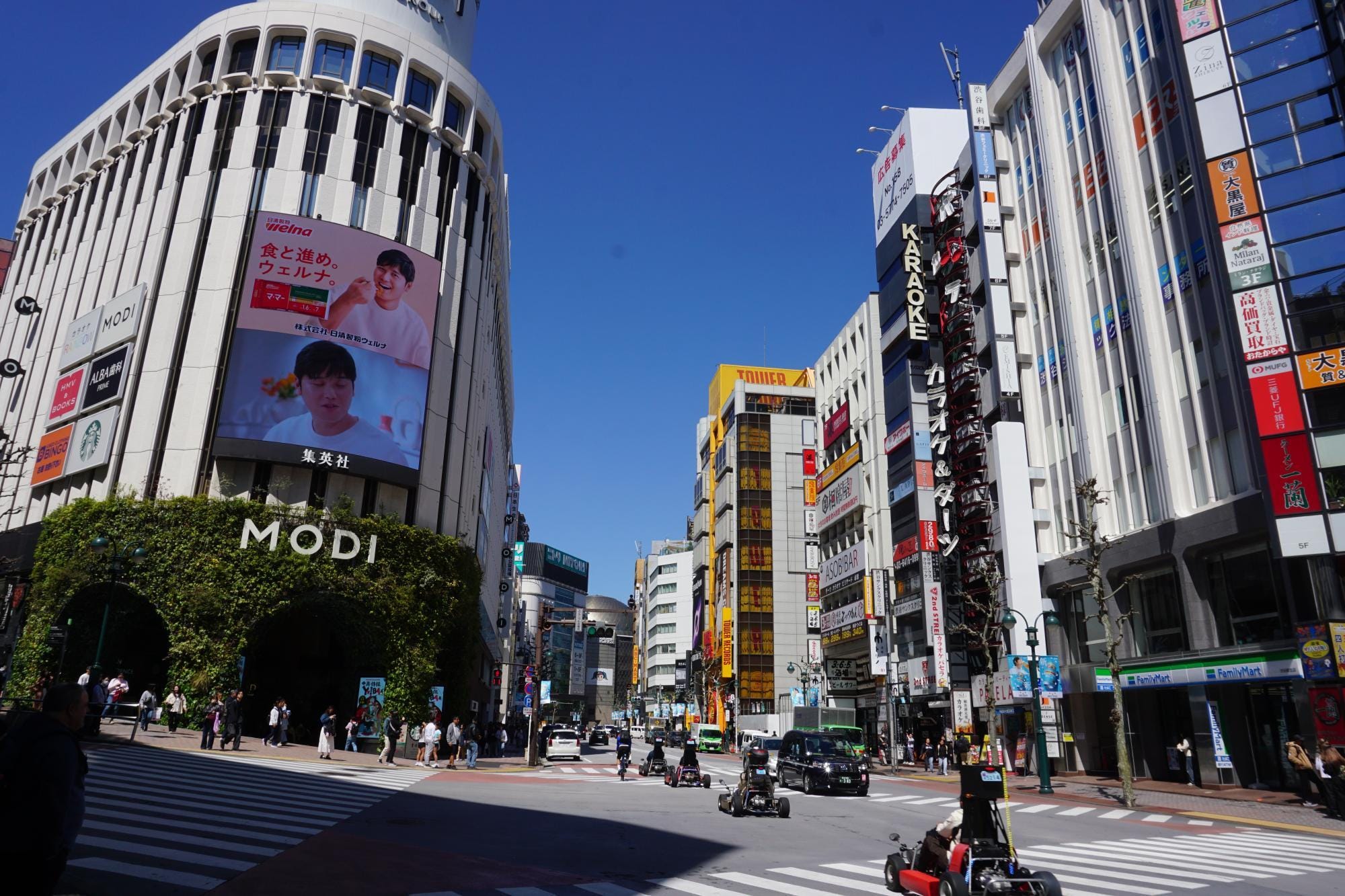
After Masayoshi Osaka’s recent PRESIDENT Online piece argued that Shibuya no longer feels like Tokyo’s youth capital, a counterpoint has now appeared from travel writer Toraberu Jana (“Let’s go on a trip”) via Yahoo! Japan. Writing under the headline “Is It Really True That Shibuya Has Become a ‘Boring Town’?”, he agrees that the district has changed, but rejects the idea that it has become empty or not worth visiting. Instead, he argues that Shibuya still rewards people who move beyond its most obvious landmarks and look more carefully at what remains on the ground.
His central idea is that the problem may not be Shibuya alone, but how people are approaching it. Near the end, he writes that when people say the district has become boring, it likely comes from “not stepping in deeply enough” and from the fact that their own sensibilities “no longer react to material aimed at young people.”
Looking Beyond the Biggest Buildings
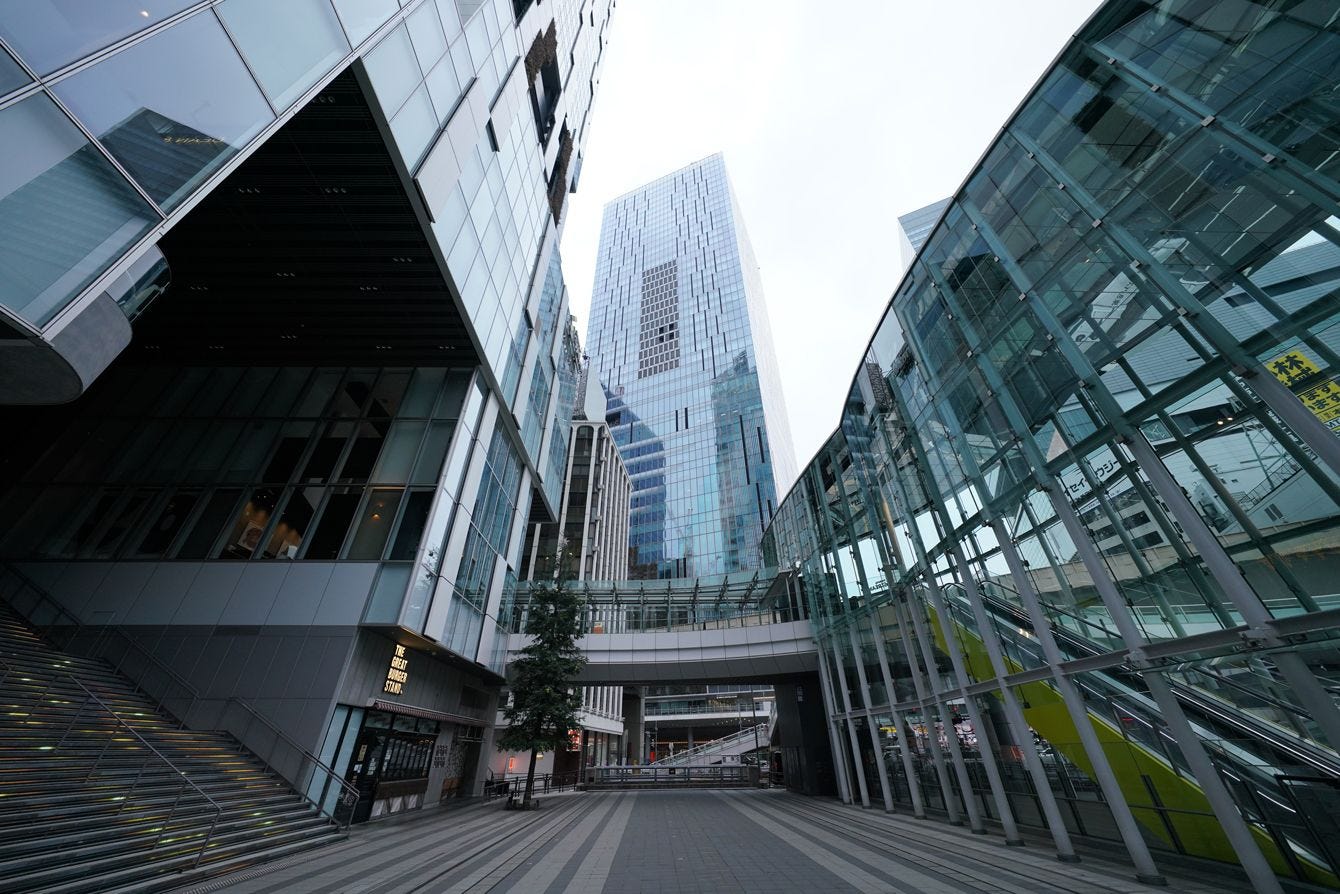
One of the new article’s clearest arguments is that Shibuya can look generic if you only judge it by the biggest station-front projects. Toraberu Jana says the view that the district is nothing but chain stores and expensive shops seems to come mainly from looking at the “three big buildings,” naming Scramble Square, Hikarie, and Sakura Stage as the main reference points. Outside of that zone, he argues, “there are still plenty of new discoveries to be made.”
That is the key difference from the earlier critique. Instead of saying redevelopment has erased Shibuya, he says too many people are stopping at the most obvious parts of the neighborhood and mistaking that for the whole.
Small Finds Still Matter
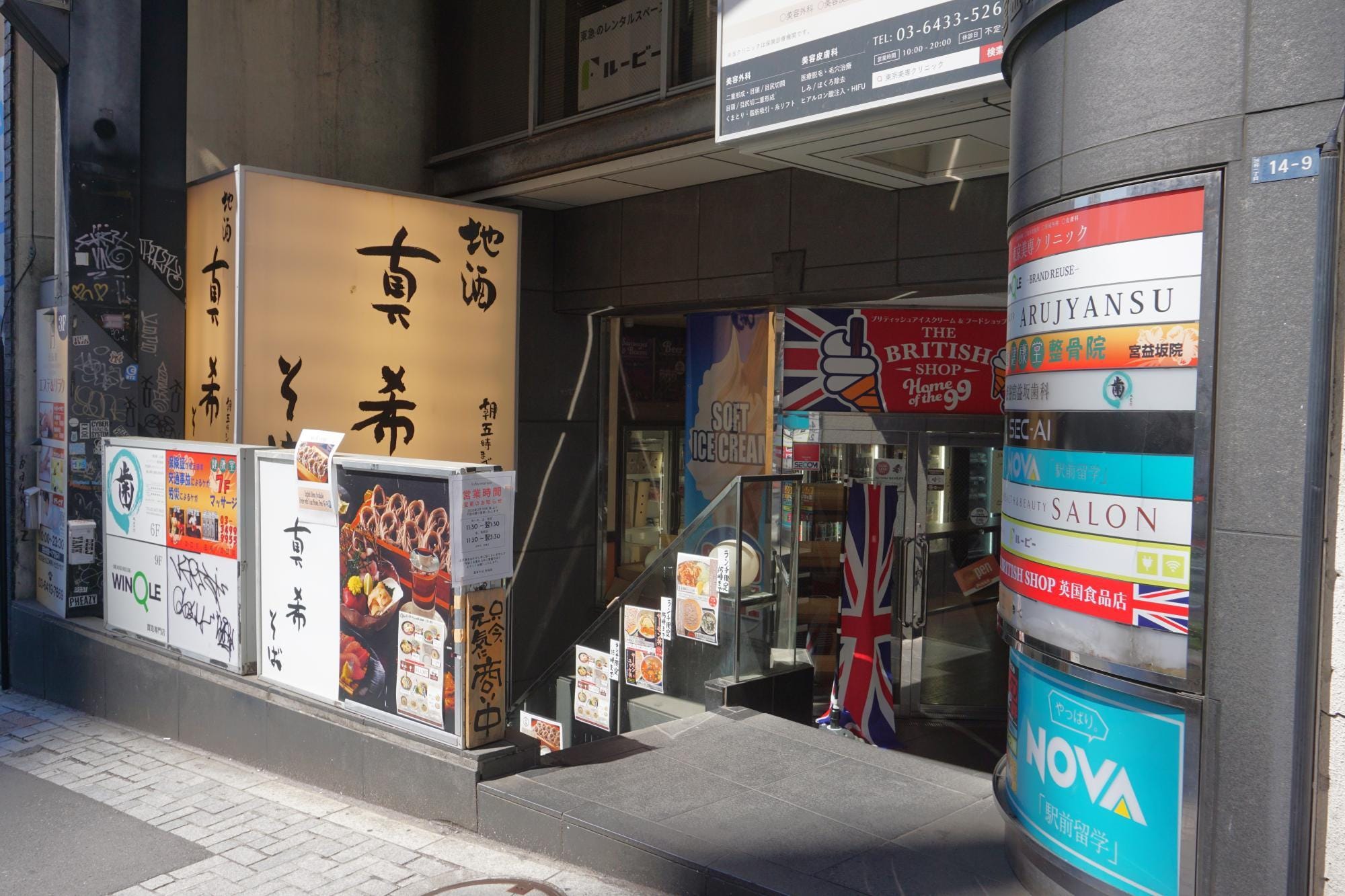
To make that case, the article narrows in on four examples: a British import shop, Miyashita Park, Tower Records Shibuya, and Hyakkendana. The point is not that Shibuya has avoided commercialization, but that the district still contains pockets of specificity, curiosity, and mixed character.
A British shop on Miyamasuzaka is one such example. The author noticed it partly because of its semi-basement location, noting that these less prominent spaces often have more favorable rents. From there, he uses the shop to push back on the idea that Shibuya has become all chains and nothing else. As he puts it, “the view that Shibuya is ‘nothing but chains’ or ‘nothing but expensive shops’” does not really hold up once you look beyond the biggest redevelopment cores.
Miyashita Park Gets a More Mixed Reading
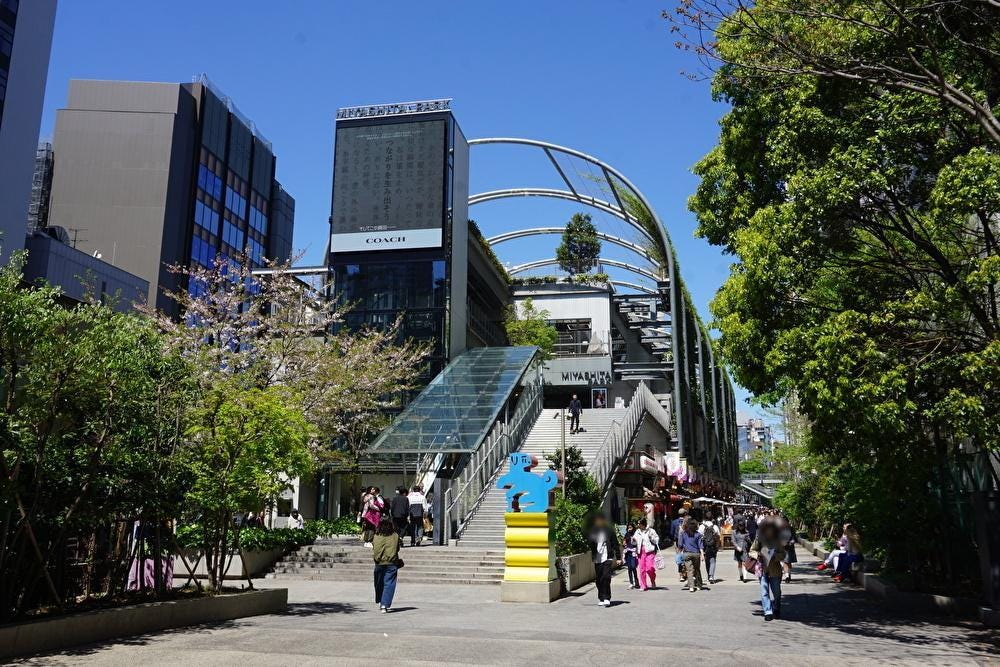
The earlier article treated Miyashita Park as a prime example of public space turned into commercial space. This new piece takes a more mixed view. Toraberu Jana still acknowledges the costs of redevelopment, including the fact that people who once used the old park as a place to sleep were pushed out. But he also points to design choices and actual use on the ground that complicate the picture.
He praises the central staircase because people can reach the rooftop park “without passing through the shops,” calling that a considerate piece of design. He also notes that even around lunchtime on a weekday, there were still empty benches on the rooftop, making it easier to credit the park as a usable public space rather than just a branded backdrop.
At the same time, he gives weight to the survival of nearby Nonbei Yokocho, where he saw foreign tourists drifting in from Miyashita Park. That older strip helps support his broader point that redevelopment and older street texture are still existing side by side in Shibuya.
Tower Records Shows That Culture Has Changed, Not Vanished
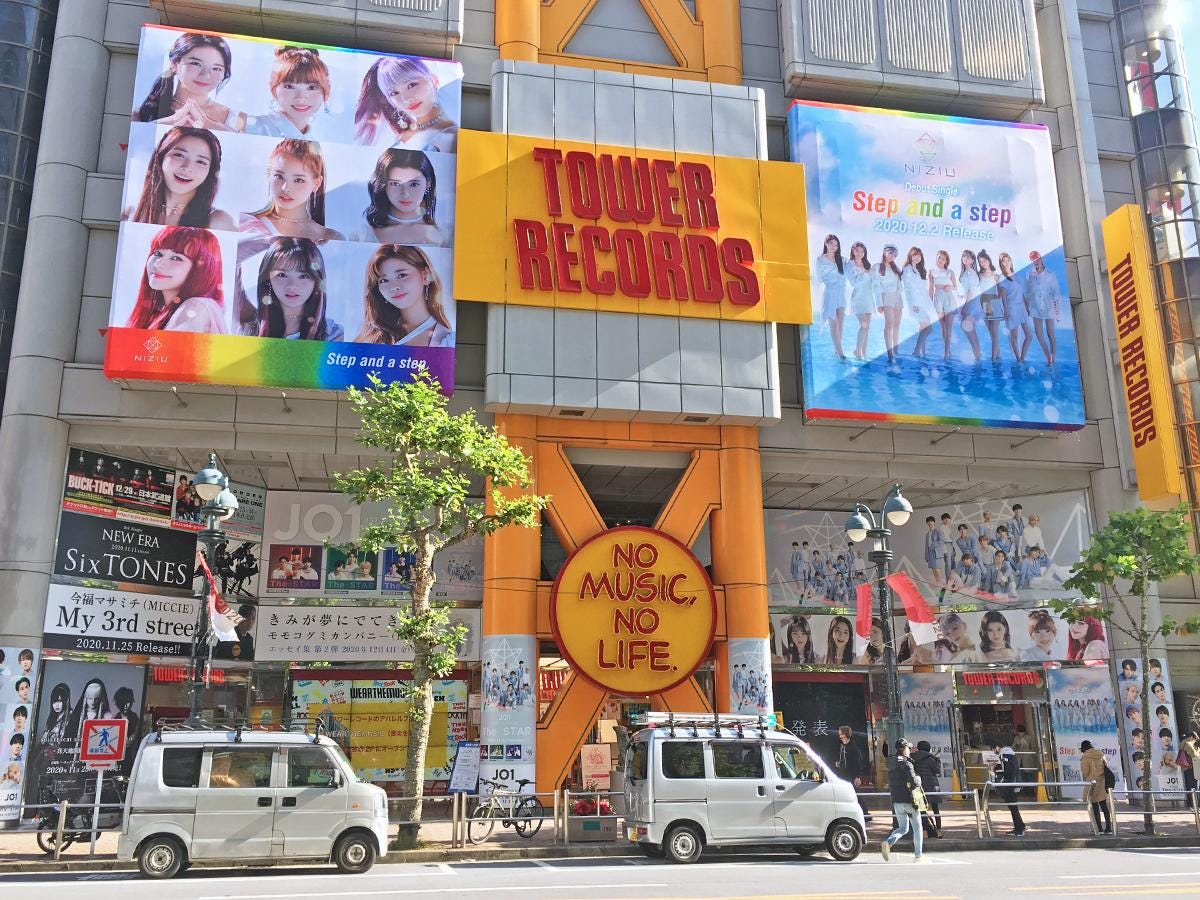
Tower Records Shibuya becomes another test case. The author admits that parts of the store feel thinner than before and that the decline of CDs is real. But he does not read that as proof of cultural collapse. Instead, he argues that the store has adapted to newer forms of fandom, display culture, and collectible value.
This leads to one of the article’s more interesting observations: the feeling that Shibuya has gotten dull may reflect age and changing taste as much as urban decline. He suggests that the idea of a boring Shibuya may come partly from the fact that people have accumulated more life experience and “the things that stimulate them have decreased.”
Foreign Visitors May Stand Out More Than They Dominate
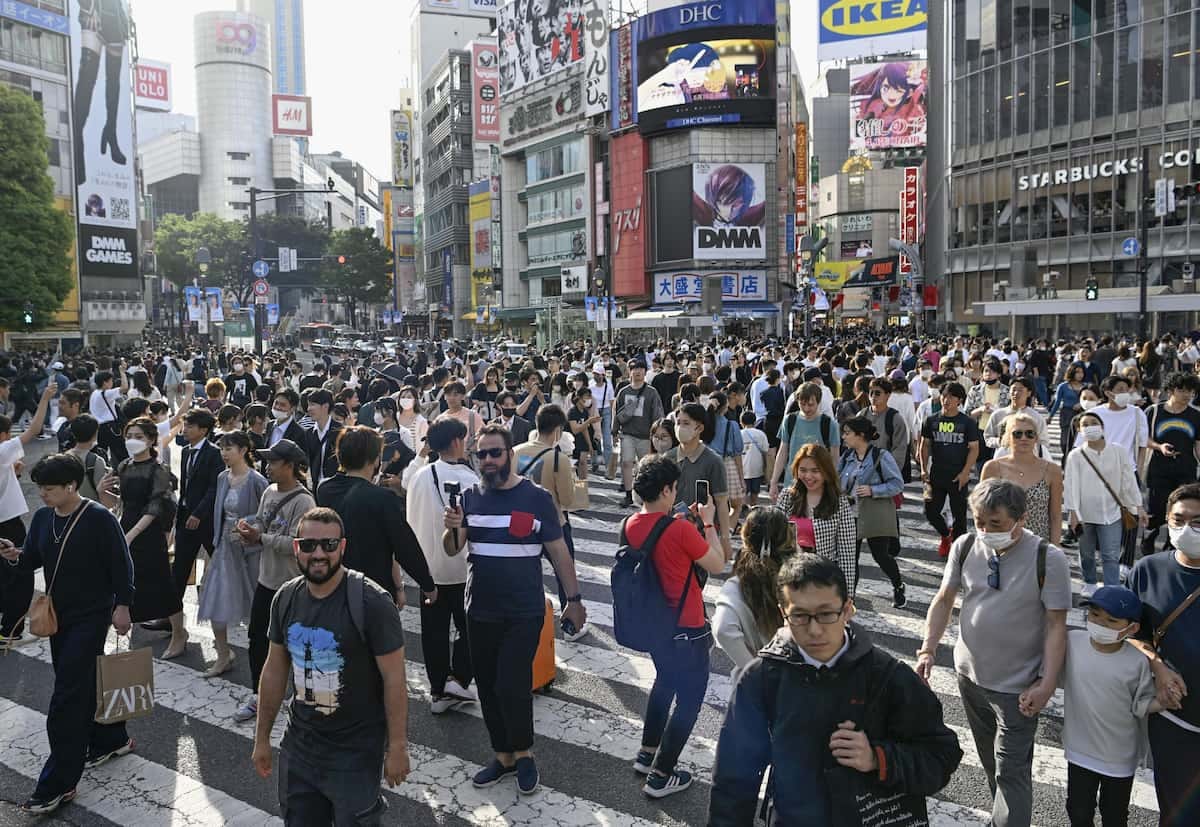
The article also pushes back on the idea that Shibuya has become nothing but foreign tourists. It acknowledges that overseas visitors are highly visible, especially around the scramble crossing, but argues that they may appear more dominant partly because total foot traffic has fallen from earlier peaks. In his words, the reality is that “the number of people in Shibuya has simply decreased, making foreign tourists look proportionally more numerous.”
He adds that while the actual number of foreign visitors has certainly risen, it is “nowhere near enough to fill the town.” That is an important correction to the image of Shibuya as completely overtaken.
Tokyu and Seibu Helped Build the Shibuya People Are Still Arguing About

A short history lesson: In the 1970s, Shibuya became the stage for a quiet but important struggle between Tokyu and Seibu, two retail giants with very different ideas about what the district could be. Tokyu already controlled the most valuable ground around the station, the bottom of Shibuya’s bowl-shaped terrain. But after Tokyu founder Keita Goto died, Seibu began pushing in from the north side, buying up former movie theater sites and opening the A and B wings of Seibu Department Store in 1968 (now set to close in September 2026). It was a bold move in a cramped, uneven part of town that did not seem ideal for a department store, which made Seibu’s expansion feel even more aggressive.
Seibu kept going. In 1973 it opened PARCO partway up the slope, then gradually filled in the surrounding area with more retail aimed at younger shoppers and families just beginning to gain spending power. Tokyu had long held the higher-end side of Shibuya, but Seibu moved after a rising youth market and helped redefine the district in the process. Fashion trends like amekaji and later shibukaji reflected that shift, bringing in a cleaner, more aspirational youth style built around imported American looks, jeans, and navy blazers.
That competition helped make Shibuya into something bigger than a shopping district. Big capital held the station area and the lower slopes, more experimental stores filled the middle ground, and quieter spaces like Yoyogi Park gave the area breathing room beyond the retail crush. The Yahoo! Japan article argues that Shibuya was never a fixed or pure thing to begin with. It was built through rivalry, reinvention, and changing tastes, which makes today’s version feel less like the end of Shibuya than another stage in its long habit of remaking itself.
Shibuya is Shibuya
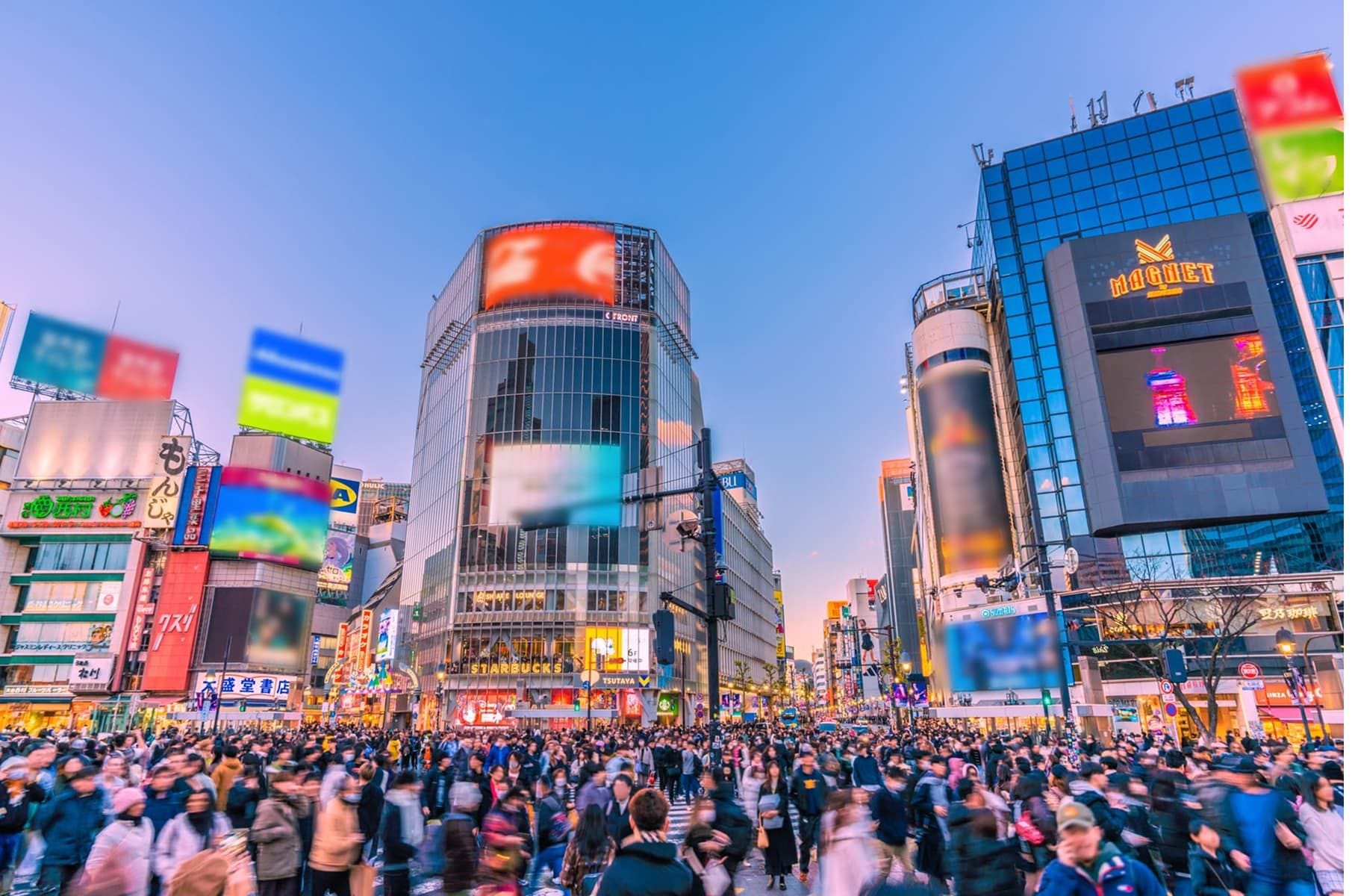
By the end, the article’s conclusion is simple and direct. “Shibuya is Shibuya,” Toraberu Jana writes. It may no longer produce new shops “like bamboo shoots after rain,” and some of its old youth-driven momentum may be harder to find, but he still sees it as a district worth visiting again and again. In that reading, Shibuya has changed, but it has not stopped being itself.
It’s for sure a new stage, but that stage seems to be some kind of borg assimilation into whatever Harajuku got grafted last decade.
Toraberu san can’t convince us that the youth either yearn for the new restaurants with tourist/dollar-oriented prices or for a neighborhood where it’s hard to find the small spots worth going to for them.
If that is their real name 🤔
That’s such an interesting perspective!
I hope I can still see things that way as I get older!