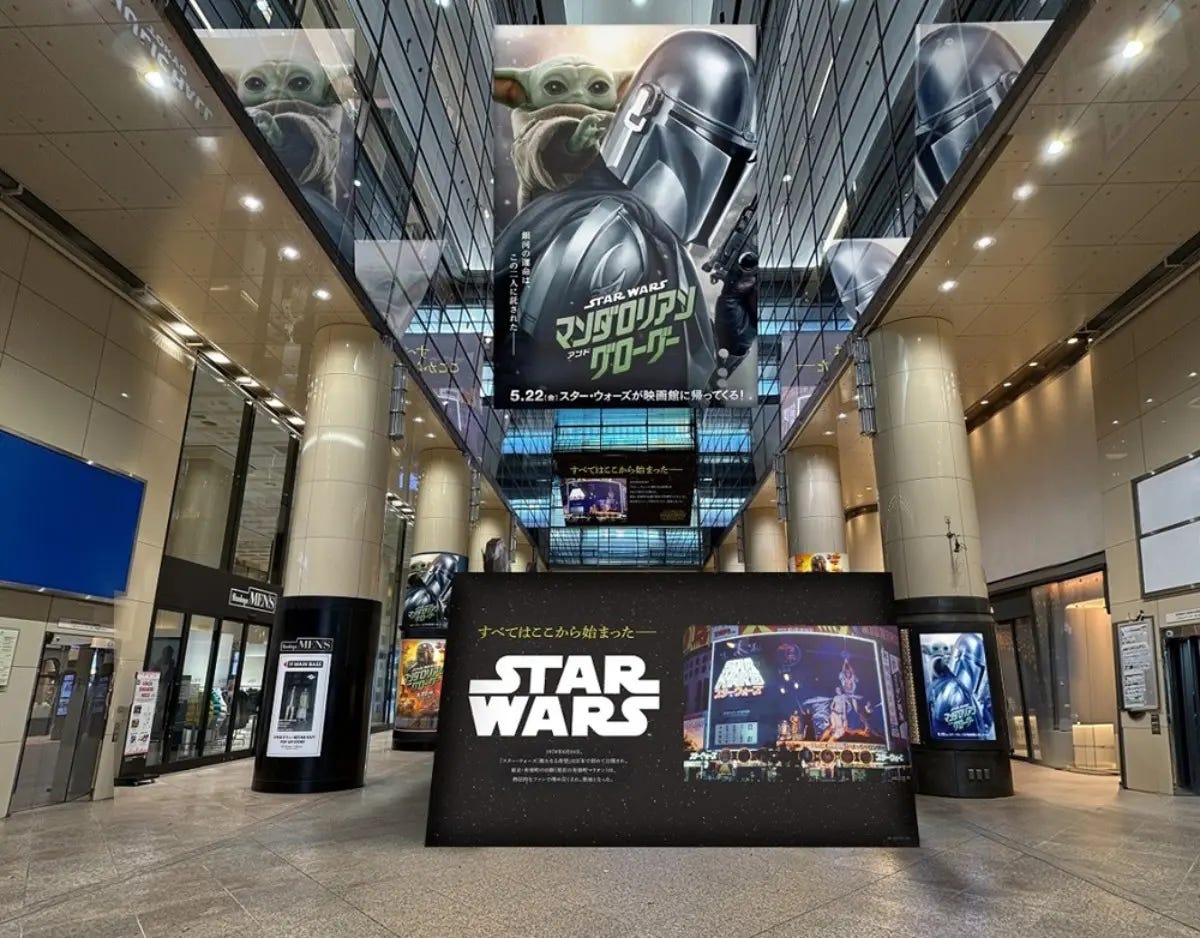

In North America, Star Wars: The Mandalorian and Grogu is being treated as a box-office disappointment after losing ground to two smaller horror films.
In Japan, the film is not a major breakout, but holding No. 1 for two weekends shows that Star Wars still has enough theatrical pull to stay competitive.
That may come down to decades of brand familiarity, Grogu’s easy appeal, favorable timing, and a Japanese fan environment that remains more welcoming to Disney-era Star Wars.
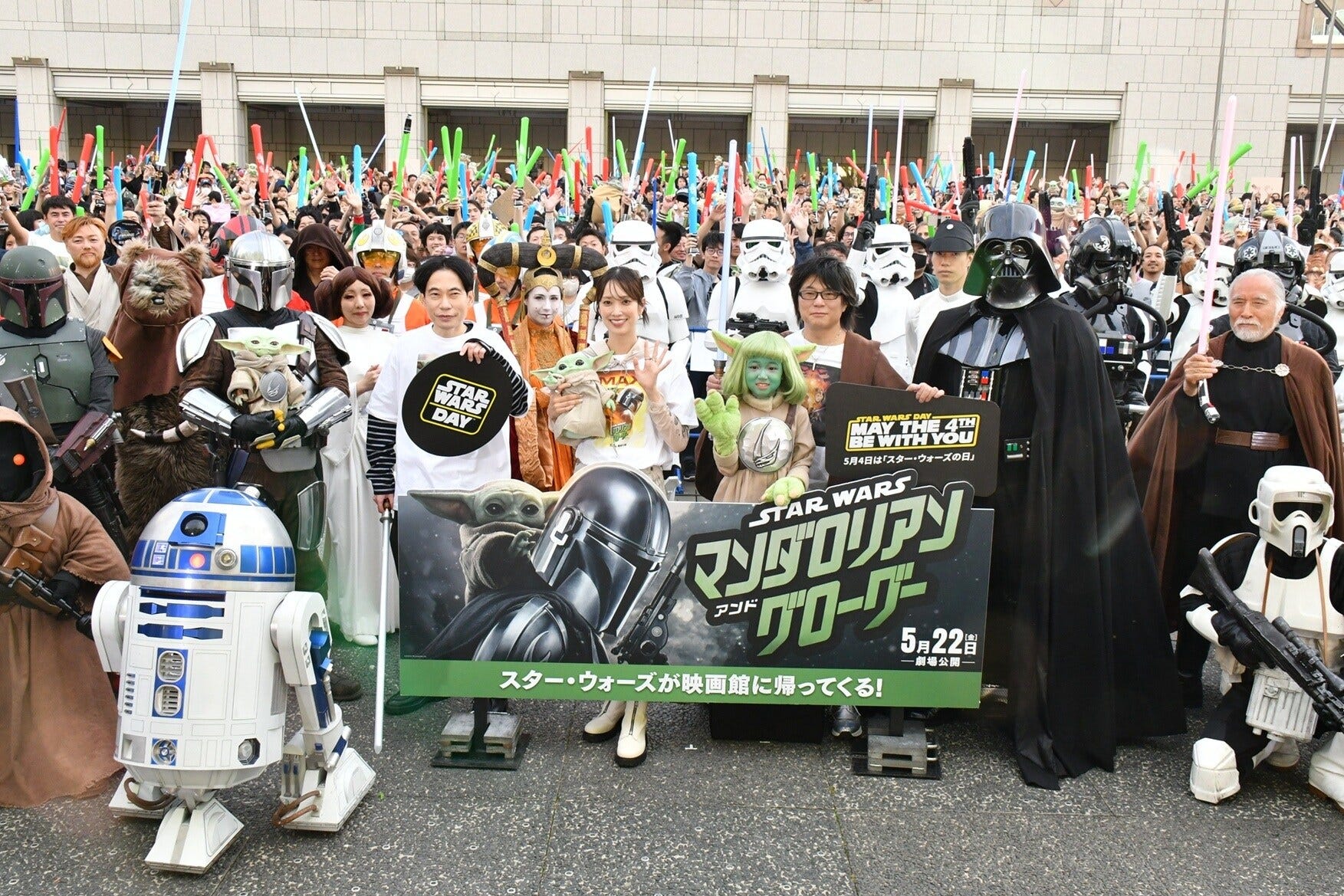
In the United States, the new film Star Wars: The Mandalorian and Grogu, is already being written off as a major disappointment. In its second weekend, the film ranked third behind Backrooms and Obsession, with a weekend gross of $25 million, a nearly 70 percent drop from its opening weekend, and a cumulative North American total of $137.36 million. Both films ahead of Star Wars were made by young directors who built audiences through YouTube and online video, turning the weekend into a larger industry story about low-cost films and Gen Z filmmakers overtaking a major legacy franchise, arguably the biggest ever.
In Japan, however, The Mandalorian and Grogu has held the No. 1 spot at the box office for two weeks straight. It opened at No. 1 over the May 22 to 24 weekend with 434,507 admissions and about ¥748.58 million, or about $4.7 million. It stayed at No. 1 over the May 29 to 31 weekend with 243,000 admissions and ¥425 million, or about $2.7 million. By June 1, its cumulative total had reached 891,317 admissions and ¥1.511 billion, or about $9.5 million.
Those numbers do not make The Mandalorian and Grogu a major Japanese breakout hit, but they do show that Star Wars still has a reliable theatrical audience in Japan. The question is why a nearly 50-year-old foreign franchise, one that seems to have lost all momentum elsewhere, can still hold the top spot in a Japanese market driven by domestic films.
A Record Market That Favors Domestic Films
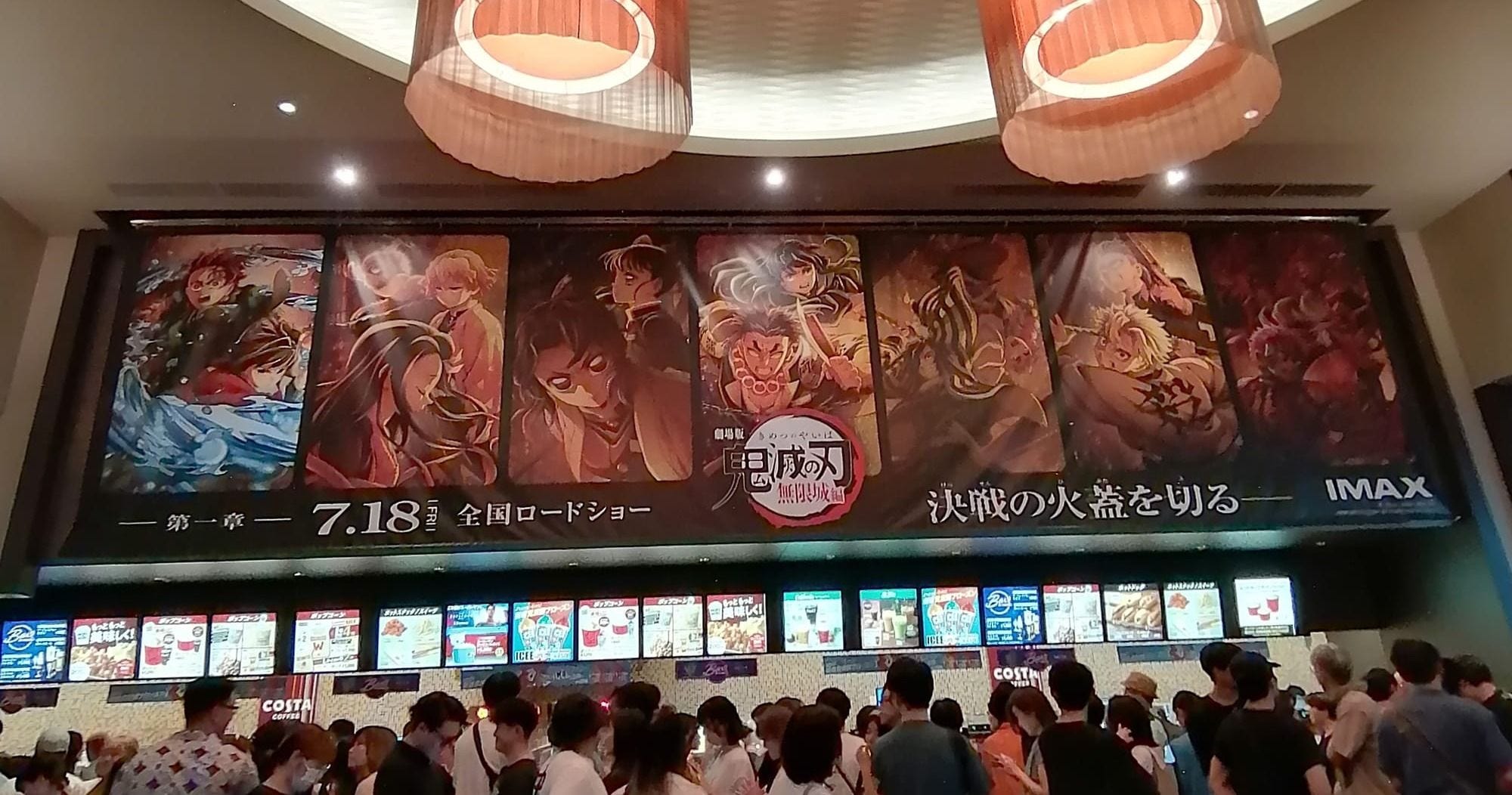
For context, Japan is coming off a record box-office year. The Motion Picture Producers Association of Japan reported 2025 total box-office revenue of ¥274.452 billion, about $1.73 billion, with 188.756 million admissions. Japanese films accounted for 75.6 percent of the market, while foreign films accounted for 24.4 percent.
That growth has been driven largely by domestic films. In 2025, the biggest titles included Demon Slayer: Infinity Castle Part 1, Kokuho, and Detective Conan: One-eyed Flashback, while the year’s top foreign film was Mission: Impossible: The Final Reckoning. The gap was large: Demon Slayer earned ¥39.14 billion, about $246.2 million, while Mission: Impossible earned ¥5.28 billion, about $33.2 million.
Foreign franchise films still matter, but they are no longer automatic event movies in Japan. A useful comparison came in 2018, when Detective Conan: Zero the Enforcer significantly outperformed Avengers: Infinity War at the Japanese box office. That gap remains a reminder that Japan’s strongest moviegoing habits are rooted in domestic IP, anime, and long-running local franchises.
And yet, Star Wars still seems to have a loyal audience made up of both hardcore fans and casual viewers. How did it happen?
Star Wars Has Survived Several Eras in Japan
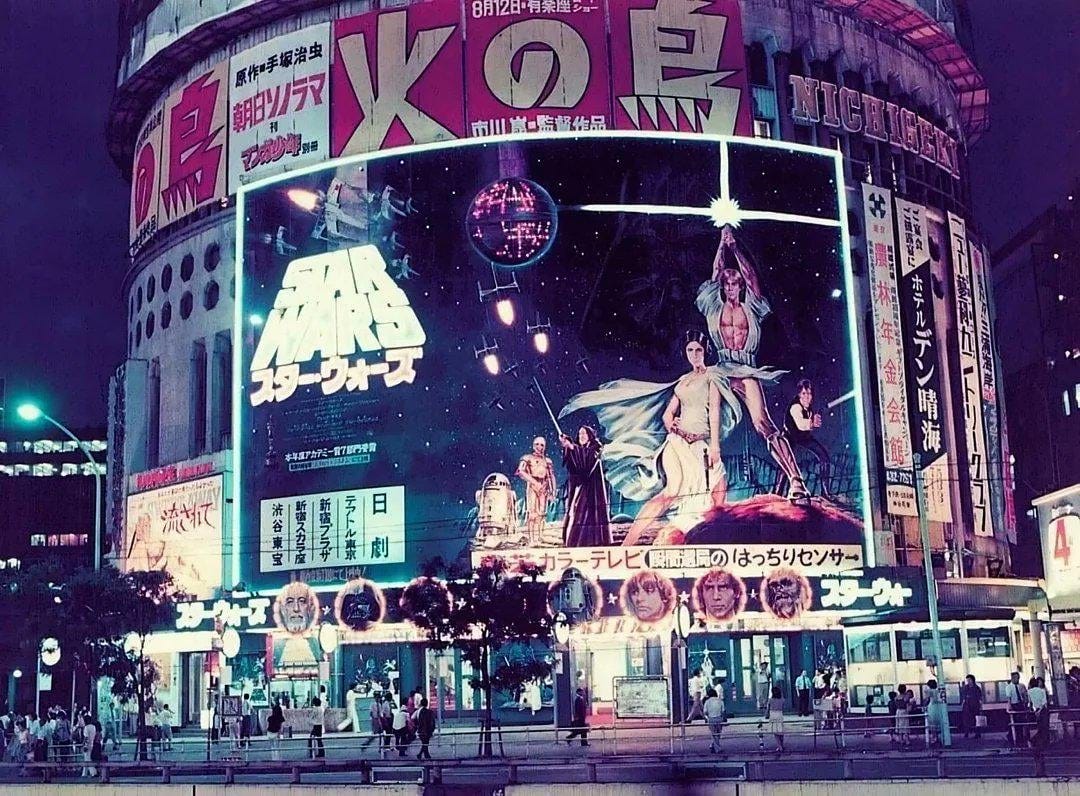
A lot has been written about the close ties between Star Wars and Japan, beginning with design choices such as Darth Vader’s shogun-like helmet and the influence of Akira Kurosawa’s The Hidden Fortress, right up to today with made-in-Japan anime projects such as Star Wars: Visions.
In short, Star Wars has a long history in Japan that does not depend only on the current Disney era. The original Star Wars opened in Japan in 1978 and became a major imported pop culture event. The toys did not create the same retail explosion they did in the other countries, but the film itself was a smash hit, and The Empire Strikes Back and Return of the Jedi were greeted in Japan as massive entertainment events, quickly attaining classic status.
After the original trilogy ended in 1983, Star Wars went through a quieter period as it did around the world. George Lucas’s epic space opera was no longer at the center of mass pop culture in Japan, but it did not exactly disappear either. The brand remained active through obsessive otaku-style fandom, zines, home video, television broadcasts, and pop culture references. During those years, Star Wars became less of a current hit and more of a durable fan property.
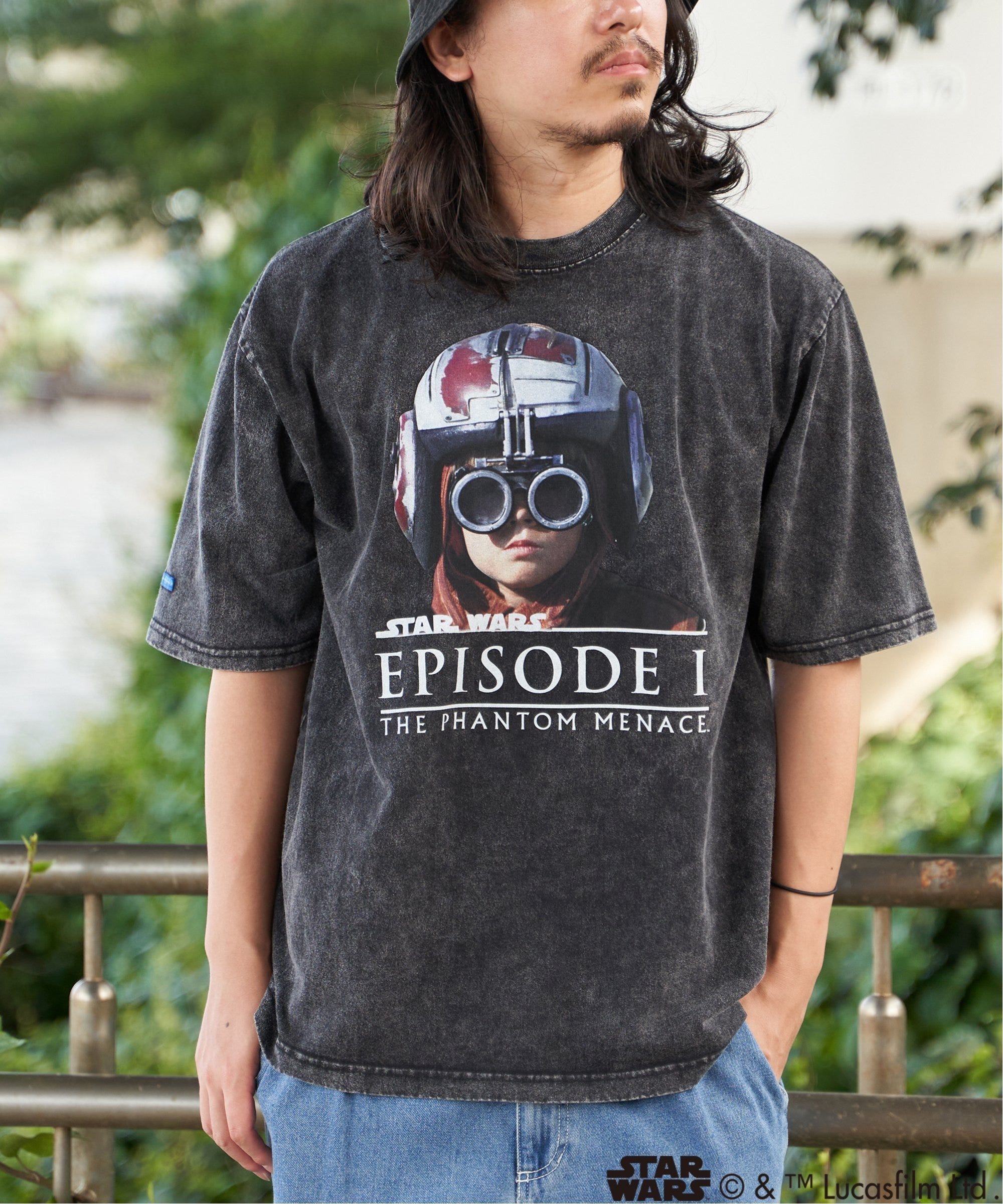
The prequel era changed that. When The Phantom Menace arrived in 1999, Japan celebrated and shared in the same overexcited “second coming of Star Wars” hype seen around the world. The later prequels also performed strongly with general audiences. Attack of the Clones earned ¥9.37 billion, about $58.9 million, in Japan in 2002, while Revenge of the Sith earned ¥9.17 billion, about $57.7 million, in 2005.
Hardcore fans debated the merits of characters like Jar Jar Binks and Jango Fett, but the prequels did not seem to create the same level of lasting backlash in Japan that they did in the United States. For many casual viewers, the prequels simply reintroduced Star Wars as a large-scale theatrical brand.
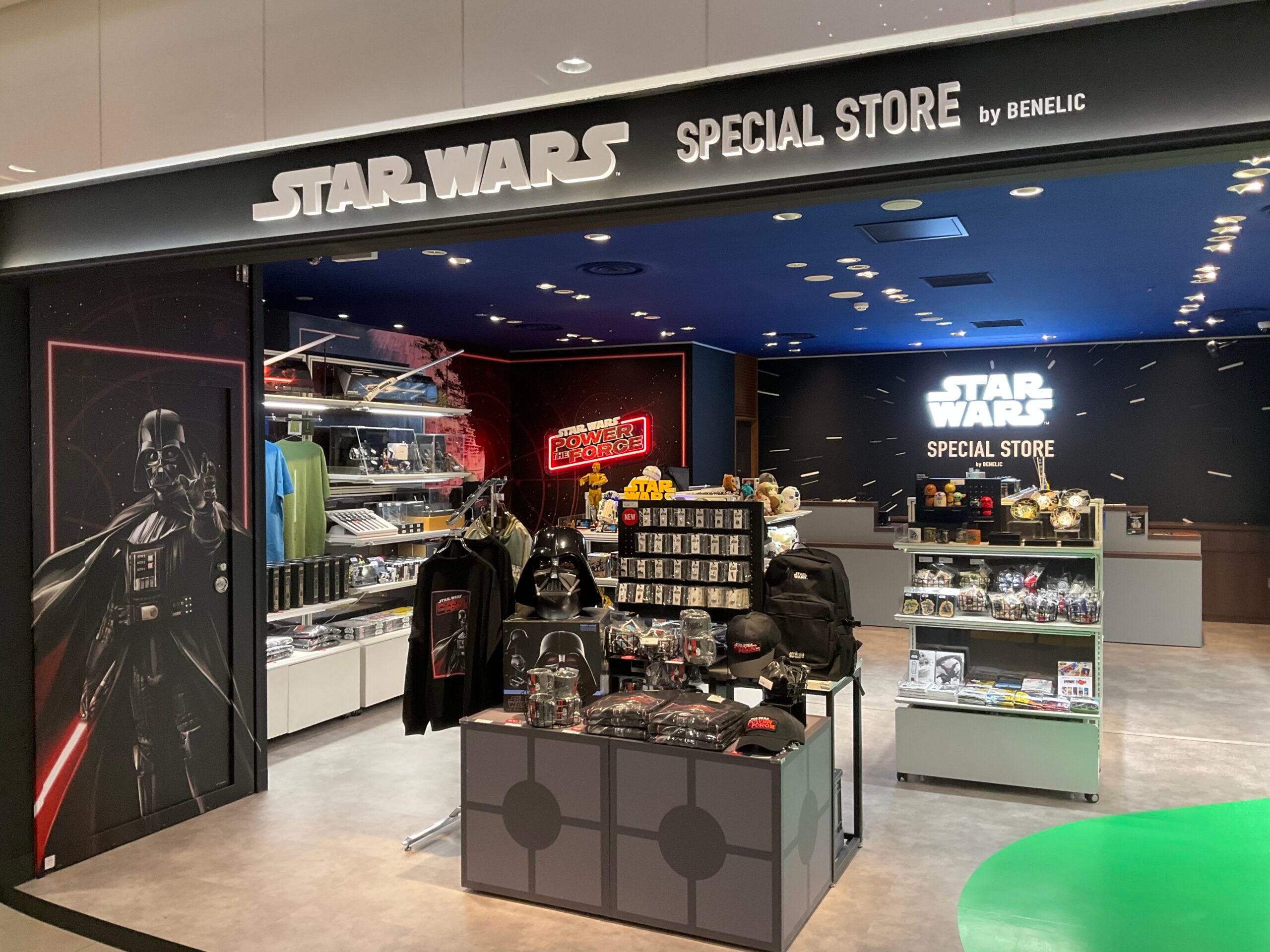
During this period, Star Wars also became more firmly embedded in Japan through licensed merchandise, character goods, and relentless brand partnerships. It made the jump between generations. Like Gundam or Godzilla, Star Wars became a pop culture name many Japanese people recognized even if they were not deeply invested in the full story.
The Disney Era Has Been Complicated, but Not Toxic, in Japan
The Disney era made Japan’s relationship with Star Wars more uneven, but it did not erase the brand’s long-standing goodwill. The Force Awakens earned ¥11.63 billion, about $73.1 million, making it the top foreign film on Japan’s 2016 annual chart. The Last Jedi earned ¥7.51 billion, about $47.2 million, and The Rise of Skywalker earned ¥7.32 billion, about $46.0 million. Those numbers show a decline from the 2015 revival peak, but they also show that theatrical Star Wars remained commercially meaningful in Japan during the Disney sequels.
The Disney sequels also had critics in Japan, especially around the treatment of legacy characters such as Luke Skywalker, Han Solo, and Leia (RIP all of them). But the reaction did not develop into the same kind of vindictive culture war that had begun to consume American fandom. There are Japanese fans who dislike specific Disney-era projects, but the larger public conversation has not been defined by vocal and angry rejection of the brand as it seems to have overseas.
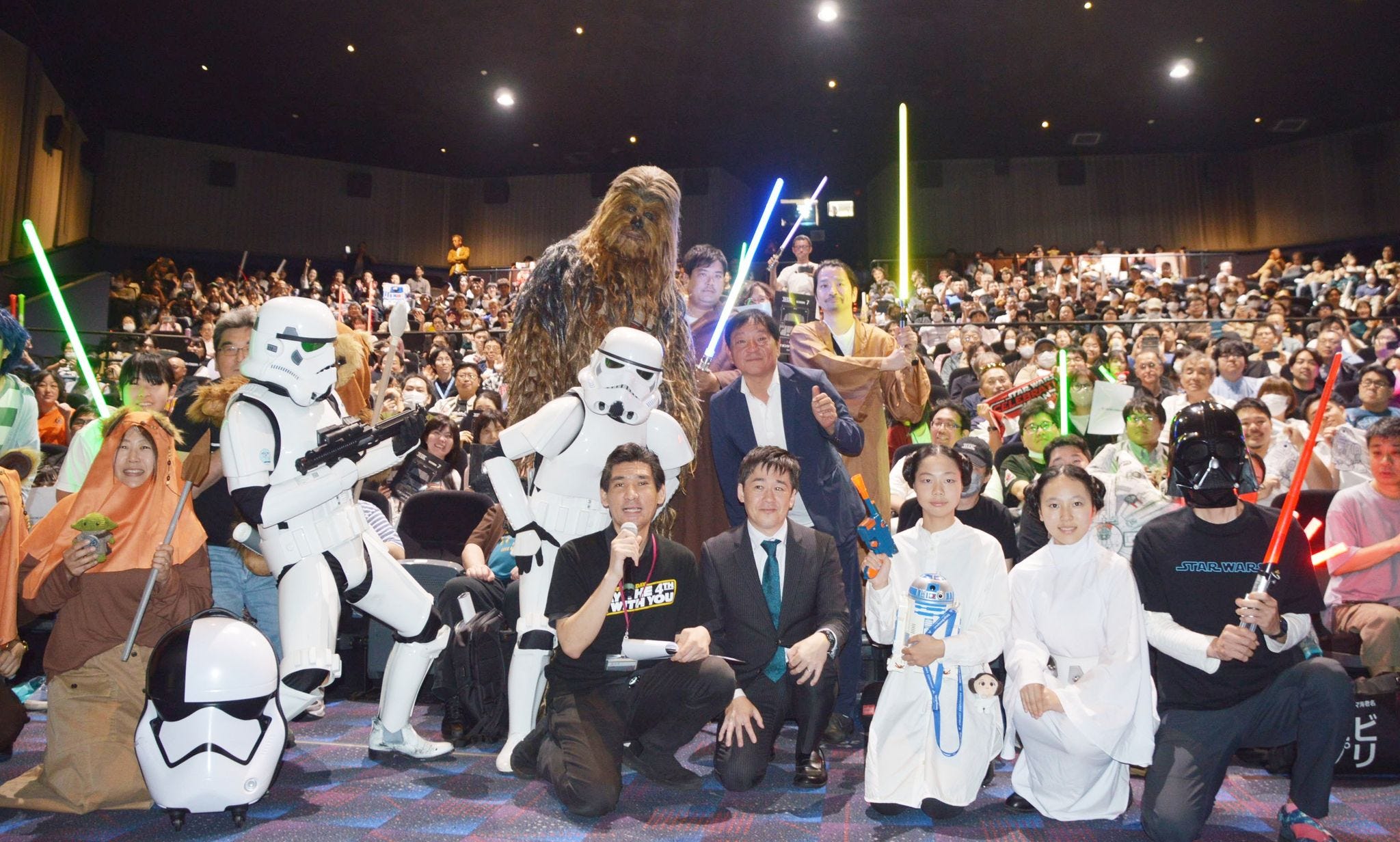
That difference may be one reason Japan remains useful to Disney as a Star Wars event market and when it needs a hug. The Star Wars Celebration Japan 2025 fan convention was held at Makuhari Messe in Chiba, returning to Japan after 17 years. Japanese business coverage reported that the event drew about 105,000 attendees from 125 countries and was the largest Celebration held outside the United States. (The video below gives a taste of the event uncomfortable, religious cult-like ambience.)
This does not mean every new Star Wars project is bulletproof in Japan, but it does mean the brand still operates with a base level of goodwill that has become scarce in its home country.
Disney+ Is Still the Unknown Factor
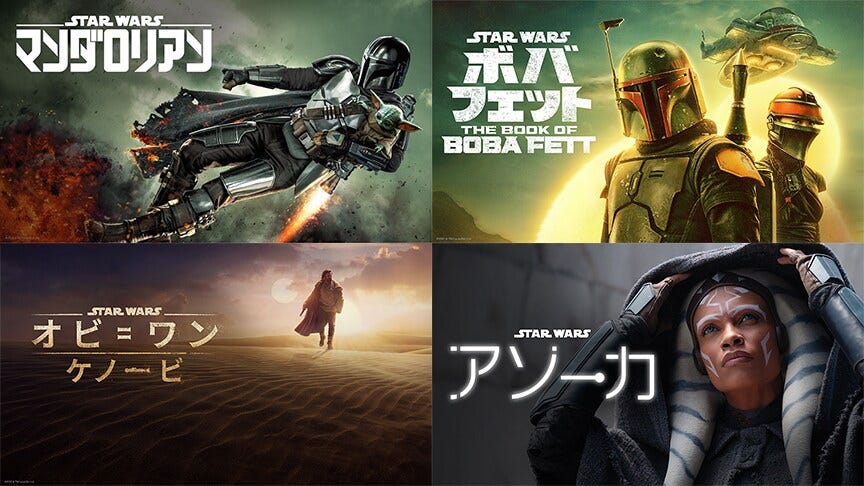
The Disney+ streaming service has been available in Japan since 2020. Disney does not publicly release detailed Japan viewing numbers for stay-at-home Star Wars streaming content such as The Mandalorian, Andor, or The Acolyte, so it is difficult to know how far those series have traveled beyond core fans (based on my observations, only a small number of die-hard Star Wars fans in Japan watch them).
That makes The Mandalorian and Grogu interesting as a theatrical test in Japan. The movie is based on a Disney+ series, but the Japanese opening weekend drew more than 430,000 admissions, and the two-week total passed 890,000 admissions. This suggests the audience for the new Star Wars film was not limited to hardcore streaming viewers, although the size of the broader casual audience is still unclear.
Grogu Gives Audiences a Clear Entry Point
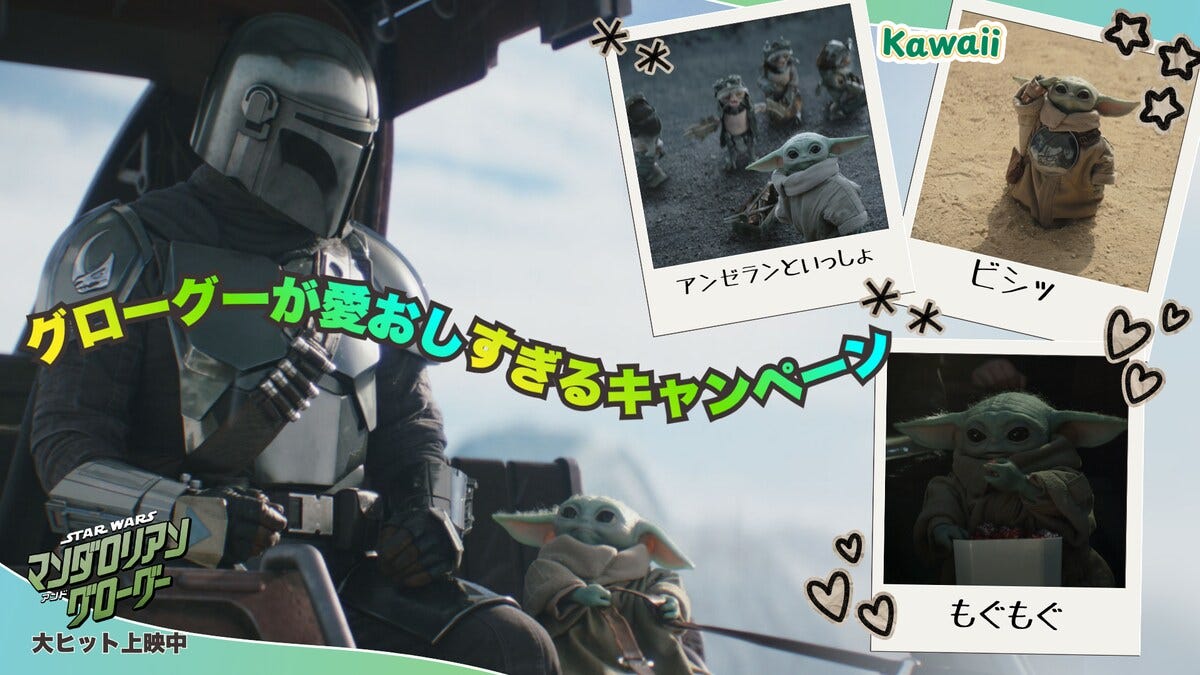
The character of Grogu also gives the film an easy (possbily too easy) point of entry for people who may not follow Disney+ continuity or the full Star Wars timeline. In Japan, where character appeal often drives film marketing, merchandise, and casual audience awareness, that is not a small advantage.
Disney Japan has leaned into that directly, running a “Grogu Is Too Lovable” promotional campaign for The Mandalorian and Grogu built around user posts, illustrations, photos, and other fan-made tributes to the character.
Japanese viewer reactions point in the same direction. One viewer wrote on X that they had only seen the first six Star Wars films, but could still enjoy The Mandalorian and Grogu without understanding all of the larger background from the streaming products. Another called it a film that could be recommended to Star Wars beginners, from children to adults. A different viewer described it as the kind of movie that works for people who simply think, “I don’t know the background, but Grogu is cute.”
The Release Window Is Helping
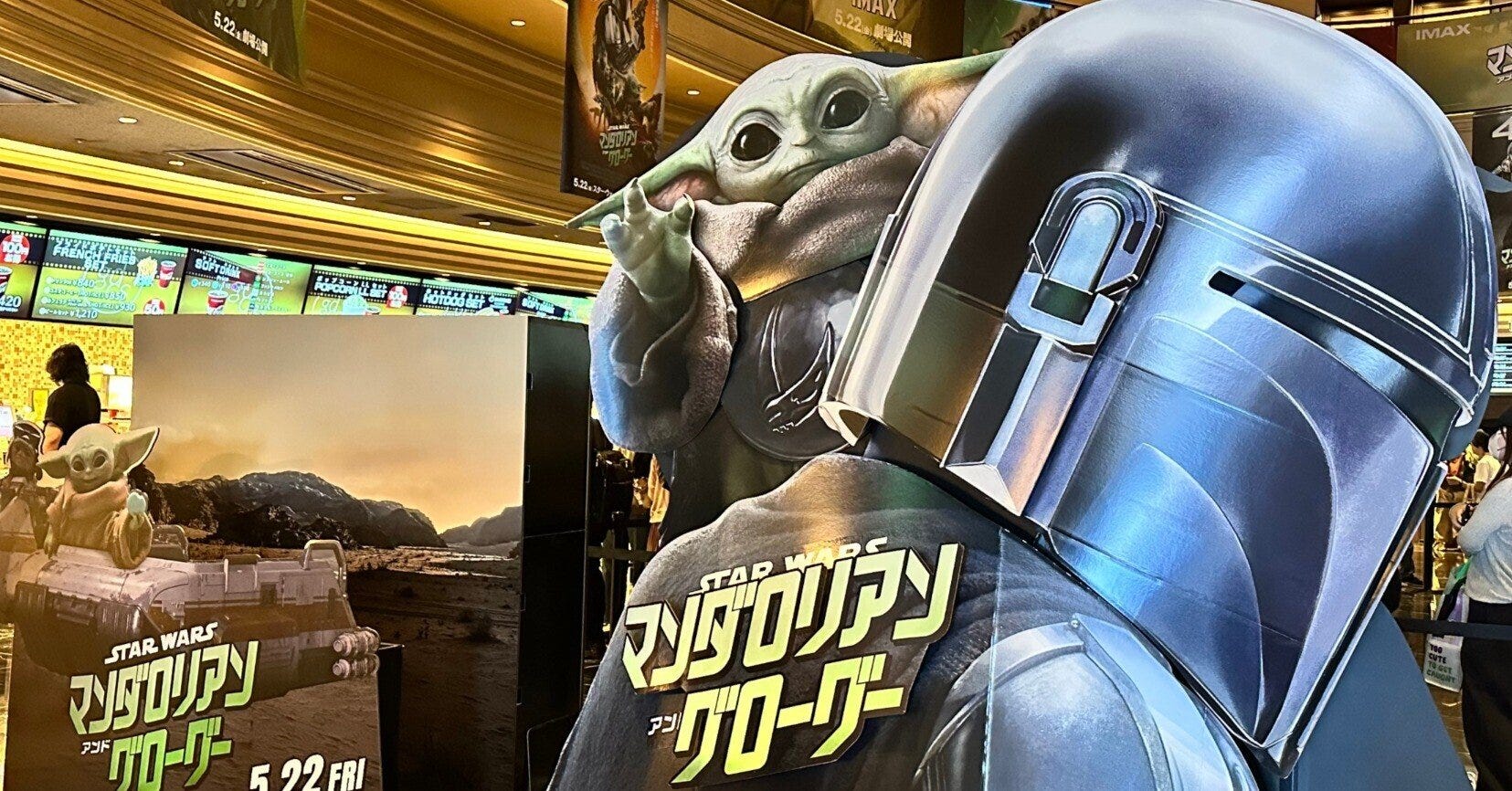
The Mandalorian and Grogu is not currently facing a new domestic film in Japan on the level of a real blockbuster like Demon Slayer, Kokuho, or Detective Conan. Its second-weekend competition included strong holdovers such as The Super Mario Galaxy Movie and The Devil Wears Prada 2, but not a fresh local giant opening directly against it.
From my own experience at movie theaters around Tokyo, the current theatrical audience often appears weighted toward older viewers (possibly retirees with time to kill), couples, and dedicated movie maniacs, with younger viewers showing up more selectively these days. In that environment, Star Wars may still function as dependable big-screen entertainment in Japan. It may not be urgent for every viewer to run and see, but it is a familiar enough flavor to buy a ticket when visiting the cinema.
Michael Is the Next Major Test

Will the King of Pop moonwalk all over the Mandalorian? The Michael Jackson biopic, which has already proven to be a smash in the USA, opens soon in Japan on June 12. That release could cut into The Mandalorian and Grogu quickly. Decades after his death, Michael Jackson remains a powerful pop culture figure in Japan, and the 2009 concert documentary This Is It passed ¥5 billion, about $31.4 million, at the Japanese box office. That does not guarantee the new biopic will reach the same level. But it does mean Michael arrives with name recognition, broad appeal, nostalgia hooks, and older-audience reach. Those are exactly the areas where The Mandalorian and Grogu is currently benefiting.
Backrooms and Obsession have yet to debut in Japan, but they’re on the way. The media in Japan is already buzzing about their YouTube-born directors, but I would not automatically assume the same breakout success here. But hey, as the old showbiz saying goes, nobody knows anything.
For now, Star Wars remains, like Spinal Tap and any number of tired old heavy metal bands orphaned at home, “big in Japan.” But is that good enough to sustain an entire global franchise anymore?