


Otaku-oriented retail is moving into department store spaces once closely associated with overseas luxury brands.
Department stores around Japan are increasingly hosting anime and manga shops, pop-ups, exhibitions, and merchandise sales.
The shift could help stores attract both international visitors and domestic fans engaged in “oshi-katsu,” or activities centered around supporting favorite characters and creators.
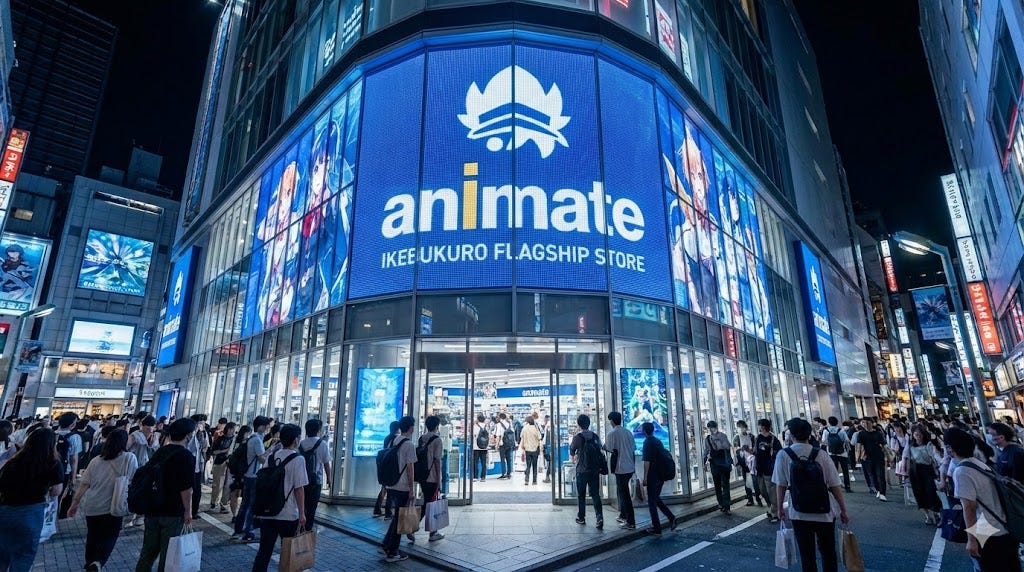
Japan’s department stores spent much of the Heisei era courting overseas luxury brands and moving toward a more upscale business model. Now, anime, manga, and games are becoming increasingly visible inside those same stores. According to an August 17 report by Daily Shincho, the trend may reflect not only the challenges facing the department store business, but also the growing economic and cultural strength of otaku-related entertainment.
Fukuoka Mitsukoshi, currently undergoing renovations, has announced that an Animate anime merchandise store will open October 24 in its LACHIC specialty shopping area. The location is expected to be one of Animate’s largest in Kyushu.
Meanwhile, the Tokiwa department store in Oita will host a limited-time Jump Shop from August 21 through September 6. The officially licensed Shueisha store carries merchandise based on works published in Weekly Shonen Jump. In central Tokyo, Matsuya Ginza has also been holding a steady series of manga and anime exhibitions featuring titles including Oshi no Ko, The Apothecary Diaries, and Urusei Yatsura, gradually establishing itself as a destination for anime exhibitions.
How Department Stores Moved Toward Luxury
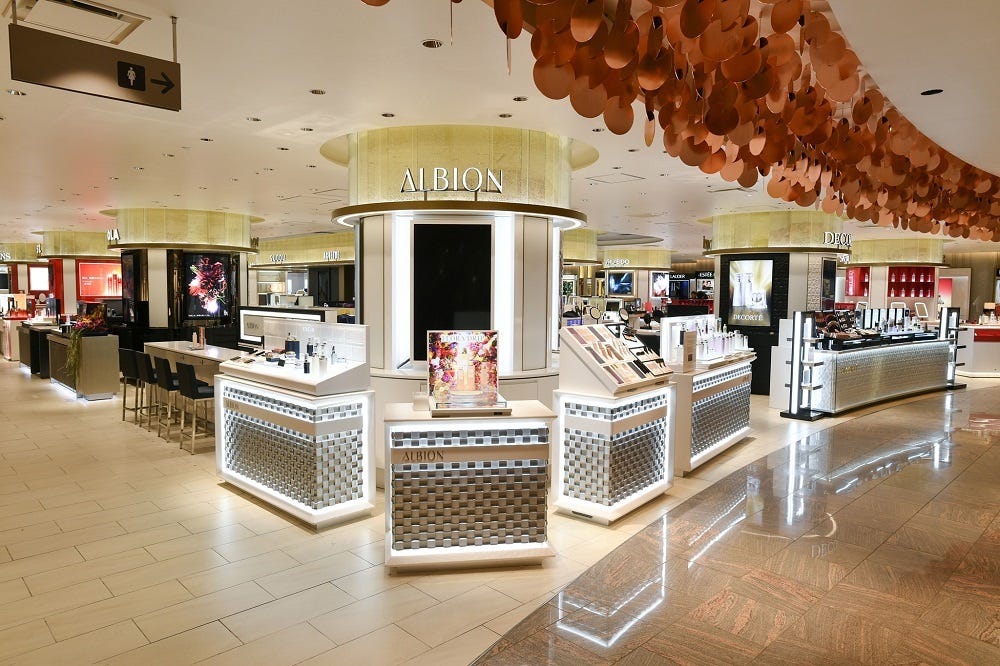
Department stores in Japan were once special destinations for the entire family. Rooftop amusement parks, children’s meals at restaurants, and a day spent shopping together were all part of the experience. After Japan’s economic bubble collapsed, however, shopping malls such as AEON increasingly took over that role.
The report argues that the change was not simply the result of Japan’s shrinking middle class. Department stores themselves pursued an increasingly aggressive luxury strategy that helped drive away some of their traditional customers.
Many stores reduced the practice of purchasing and selling merchandise themselves and moved toward a business model closer to commercial real estate, leasing valuable floor space to outside tenants. Overseas luxury brands became especially attractive because they brought high average spending per customer, dedicated followings, and recognizable names capable of drawing shoppers. As a result, department stores that had once depended heavily on families increasingly came to rely on wealthy customers and personal shopping services.
That strategy also made department stores increasingly similar to one another, with the same luxury names occupying prime first-floor spaces in cities across Japan. Some luxury companies could also be demanding tenants, with requirements concerning which brands they would or would not agree to have located nearby.When overseas brands eventually withdrew fromWhen some of those brands eventually withdrew, stores were left with fewer distinctive features capable of keeping customers coming back, contributing to the difficulties faced by regional department stores.
Mitsukoshi Meets The Melancholy of Haruhi Suzumiya
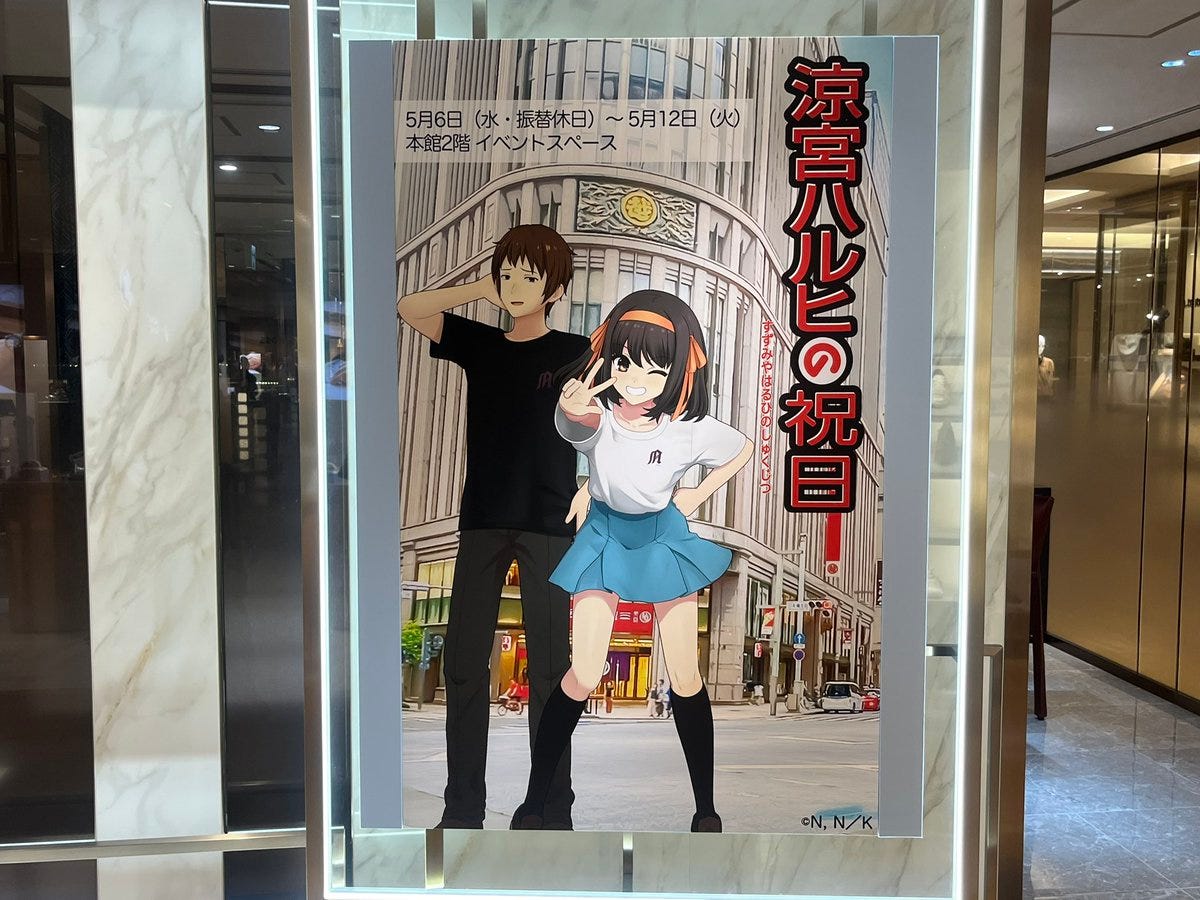
Against this background of international brands and luxury goods, the sight of major department stores now prominently featuring otaku-oriented material represents a dramatic reversal.
In May 2026, the historic Nihombashi Mitsukoshi Main Store, whose building is designated an Important Cultural Property, hosted an event space for The Melancholy of Haruhi Suzumiya alongside its luxury retail environment. Merchandise was sold at the event, while related books and other materials were also displayed.
For Yamanouchi, scenes like this suggest that anime and manga are no longer merely being accepted as supplementary attractions. Their presence in spaces long associated with high-end retail may indicate that otaku content has reached a position comparable to overseas luxury brands and, in some cases, could be becoming even more important to department stores as a way to attract customers.
Department store galleries are increasingly part of the trend as well. Locations including Nihombashi Mitsukoshi and Isetan Shinjuku have hosted exhibitions of original work by illustrators and manga artists closely connected with otaku culture. Regional stores have also held sales exhibitions featuring items such as vintage anime production cels and autographed artwork from manga creators.
Anime Shops Offer More Flexibility
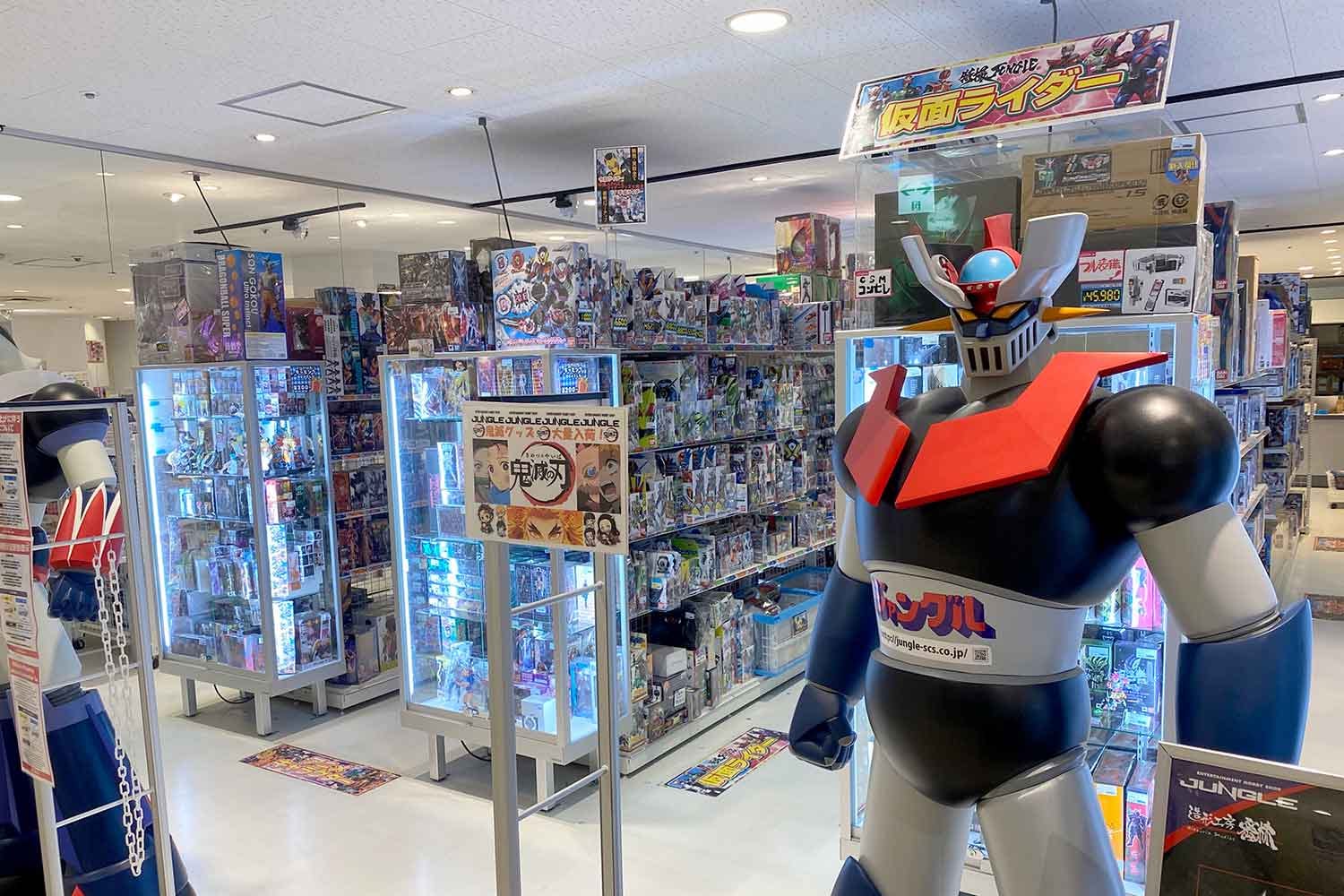
For department stores, one advantage of anime and manga retail is flexibility. Opening an anime specialty shop generally does not require the extensive remodeling and specialized fixtures associated with bringing in a major overseas luxury brand. There are also fewer of the complicated tenant-placement considerations that can accompany luxury labels, including demands over which competing or neighboring brands can occupy nearby spaces.
Temporary and satellite stores can make use of otherwise vacant floor space as well, allowing department stores to experiment with events and merchandise without committing to major renovations.
More Animate Stores Could Be Coming
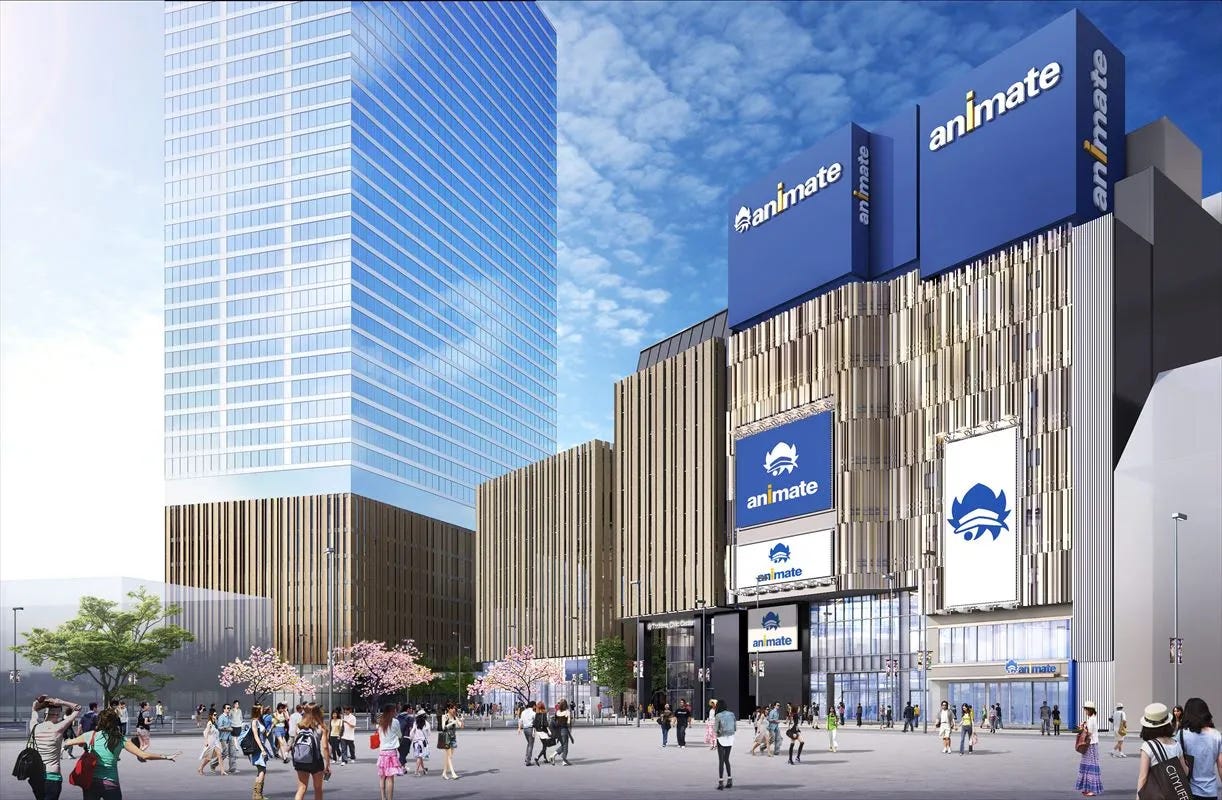
The trend may continue to accelerate, with the Animate chain particularly well positioned for additional department store locations.
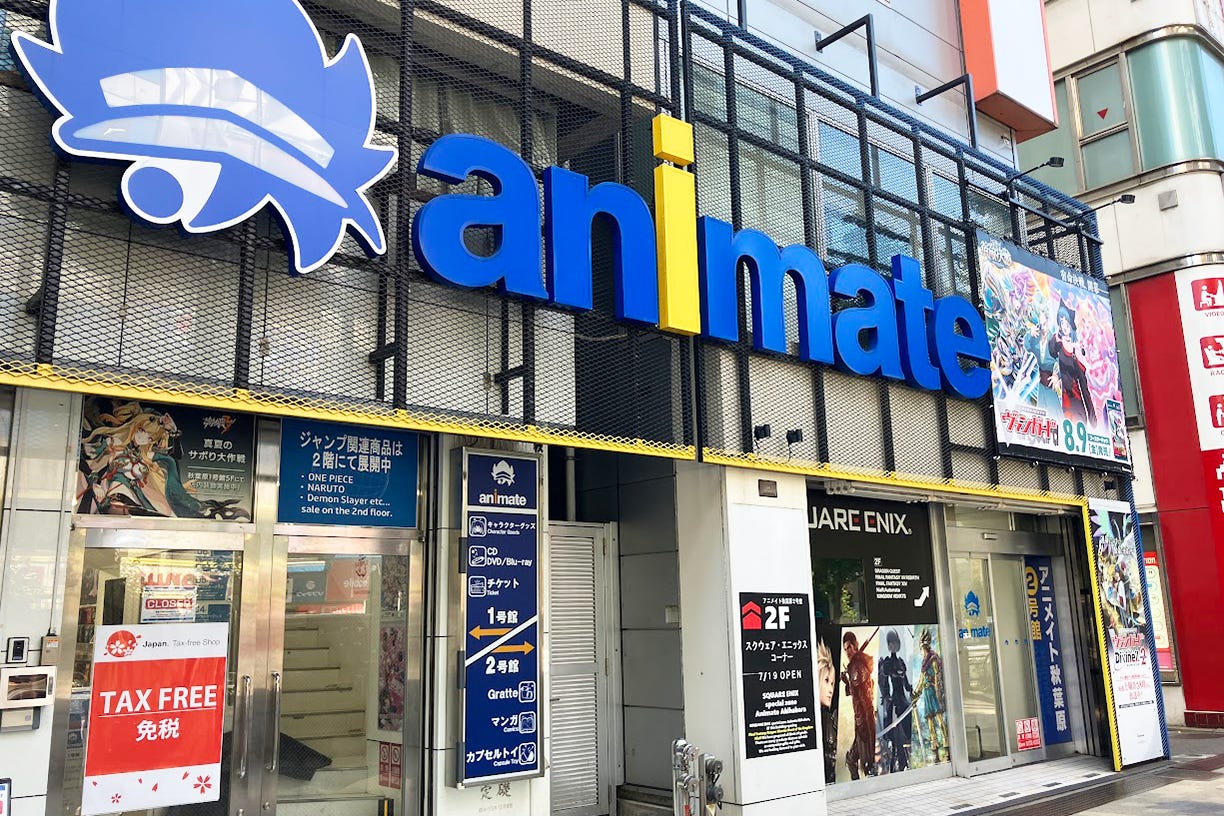
Animate sells not only anime merchandise but also manga volumes, meaning its locations can serve some of the functions traditionally provided by bookstores. That could be particularly valuable in regional communities where bookstores have disappeared and residents have fewer places to purchase physical books.
Anime specialty stores also have the advantage of appealing to two major groups of consumers at the same time: international visitors drawn to Japanese pop culture and domestic shoppers. Anime fandom has also become an activity shared by more families, potentially allowing department stores to reclaim some of their older role as destinations where households spend time together.
Can Otaku Culture Help Revive Japan’s Downtowns?
The effects could extend beyond department stores themselves. During the Showa era, shopping streets often developed around major department stores that served as anchors for regional downtown areas. When those stores closed, nearby independent businesses frequently disappeared as well, leaving once-busy commercial districts filled with vacant storefronts.
Bringing anime and manga shops into surviving department stores could provide a new reason for younger shoppers and families to visit city centers. Combined with demand from overseas tourists and dedicated domestic fans, otaku culture may offer department stores something that luxury retail alone increasingly cannot: a distinctive attraction capable of drawing a broad range of customers.
The same entertainment culture that department stores once considered incompatible with their image may now stand alongside, or even ahead of, the luxury brands that once defined their retail strategy.