


• Visitors report a significant drop in Japanese customers at Shibuya Yokocho
• High prices and atmosphere spark criticism among locals and some tourists
• Foreign travelers still praise safety and variety despite mixed reviews
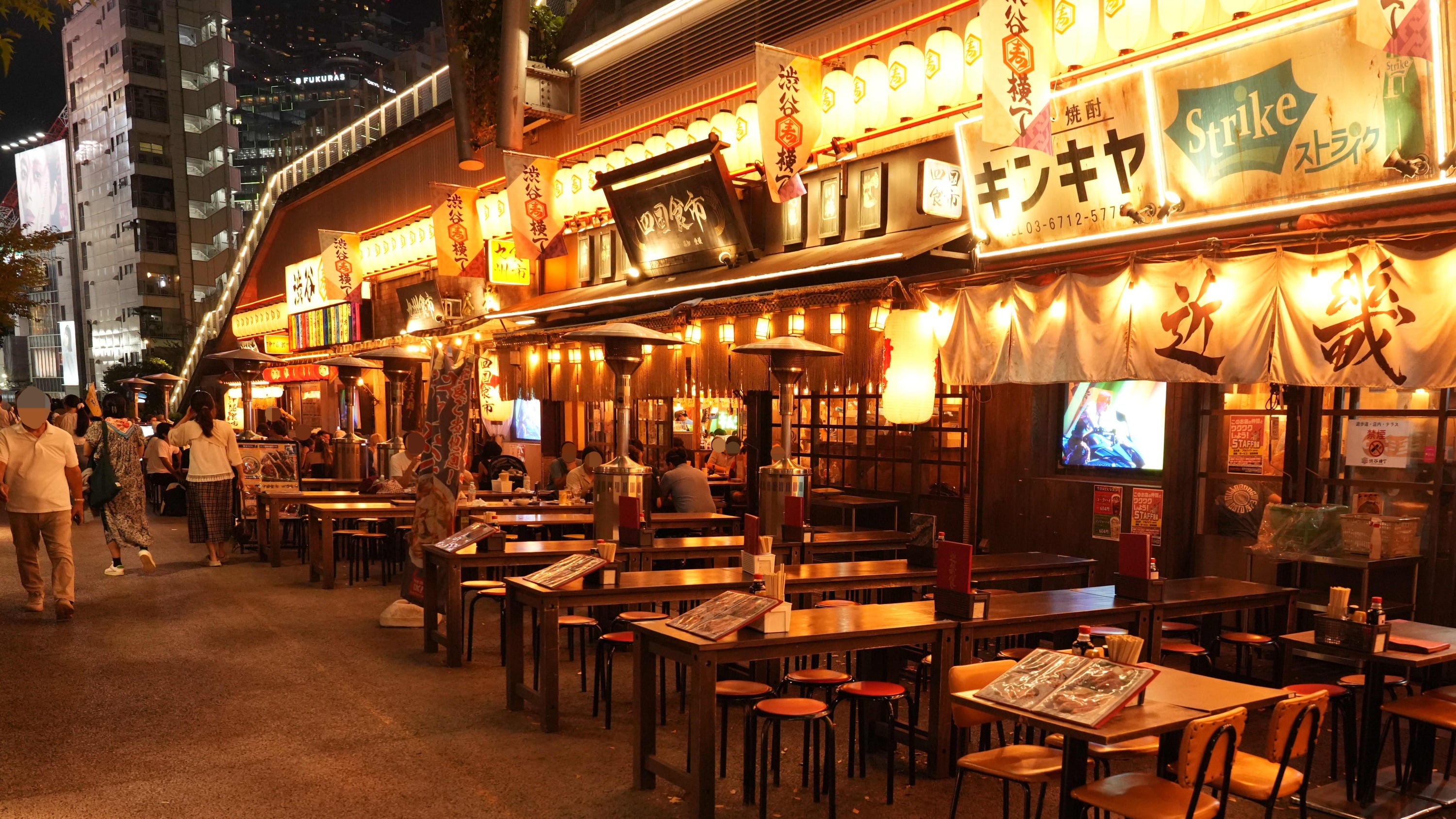
A once buzzing food alley at MIYASHITA PARK now draws mixed reactions and rising concerns
Shibuya’s MIYASHITA PARK became a major attraction when it opened in 2020. Inside the complex, Shibuya Yokocho launched as a retro styled food alley with regional dishes and entertainment. It quickly became a symbol of Shibuya’s new nightlife energy. Today the venue is trending for a different reason. Visitors report empty tables, slow nights, and an overwhelming ratio of foreign customers. Online comments include “nine out of ten customers are foreign tourists” and “everything feels inbound priced,” prompting discussion about what went wrong.
A Once Crowded Alley Now Filled Mostly With Tourists
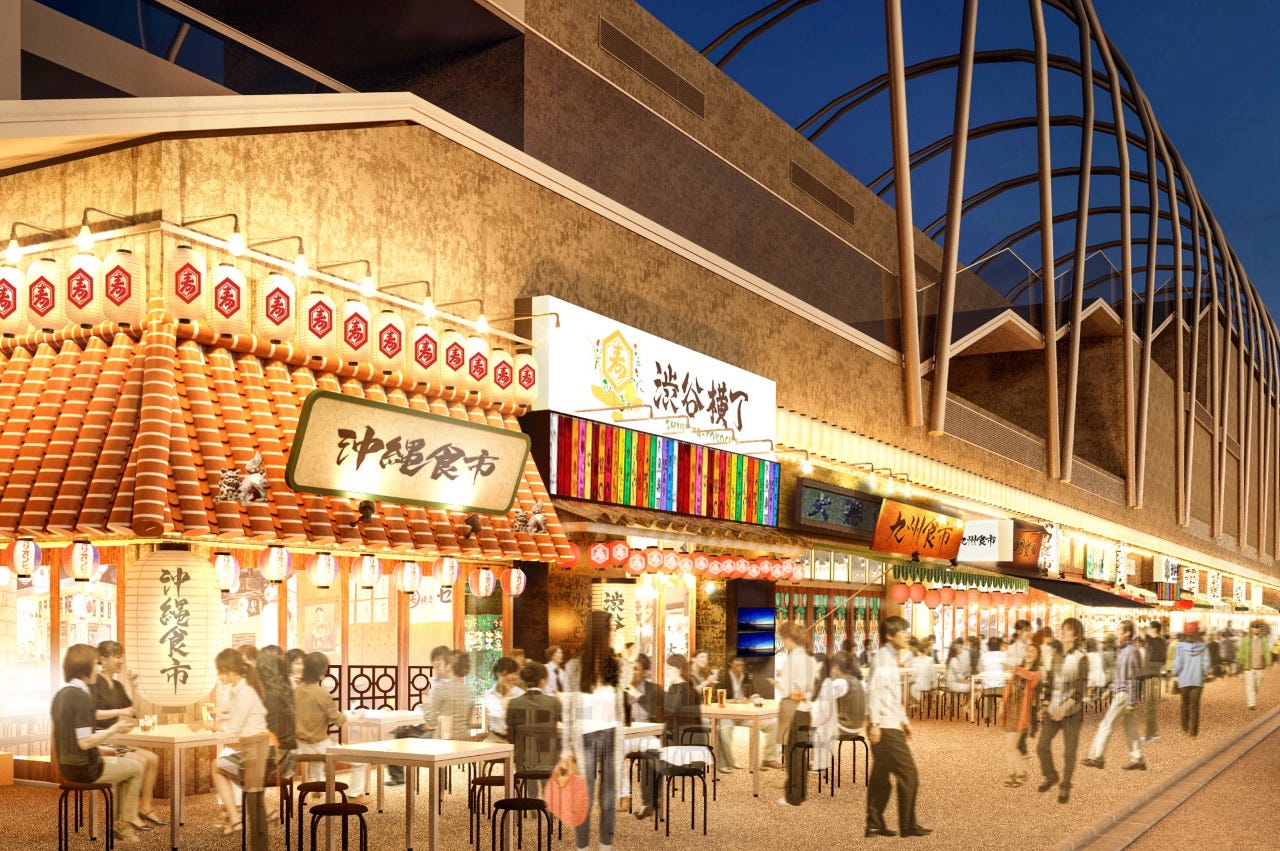
Built by Hamakurataki Shoten Seisakusho, the 100 meter street contains nineteen shops and about 1500 seats. It even won the 2020 Foodservice Award. Early scenes were lively despite pandemic risks. A nearby office worker said, “Everyone was excited about the redevelopment. It was packed with young people.” A recent visit paints a different picture. One employee reported, “Seven out of ten customers are foreign visitors,” with Japanese guests noticeably absent.
Locals Say It Has Become a Backup Option
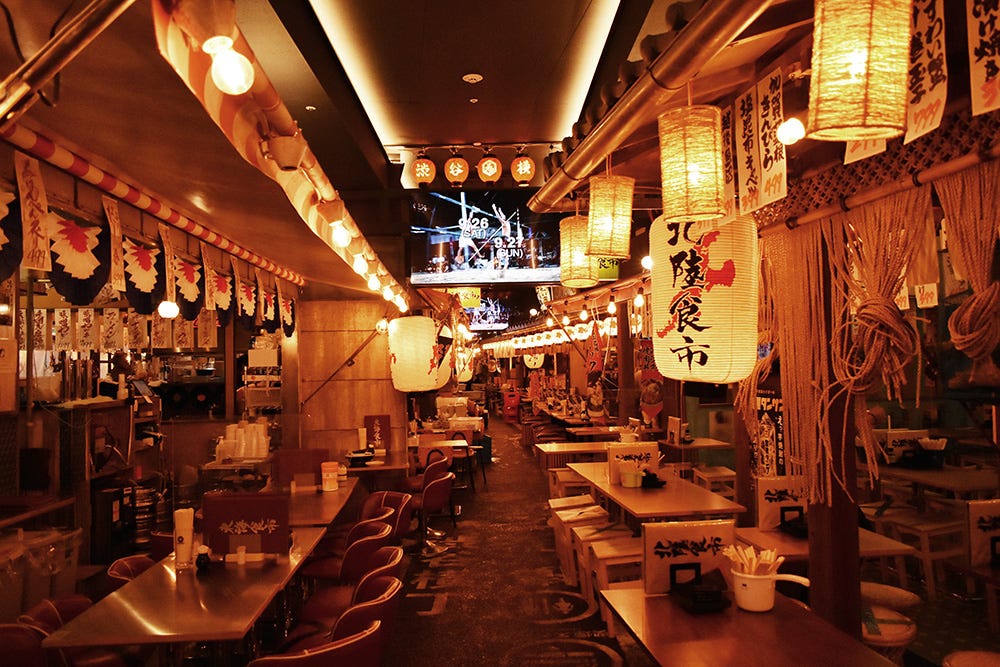
Domestic customers who did enter often came out of necessity, not preference. A group of men in their twenties said, “We could not get into the places we actually wanted. Here we can always sit down with no wait.” Another added, “We come because it is empty. That is really the reason.” These comments reflect a shift from hotspot to stopgap, where convenience outweighs appeal.
Tourists Split Between Praise and Disappointment
Foreign families praised the food and safety. One American parent said, “The food is delicious and the kids are thrilled. One of them said, ‘I love okonomiyaki now.’ Japan feels safe, so we can eat out at night as a family.” But other tourists described it as artificial. A returning visitor from the United States said, “This looks like a version of Japan from a foreign movie. It does not feel real. We came because it was open and not crowded.”
Rising Prices Push Visitors Away
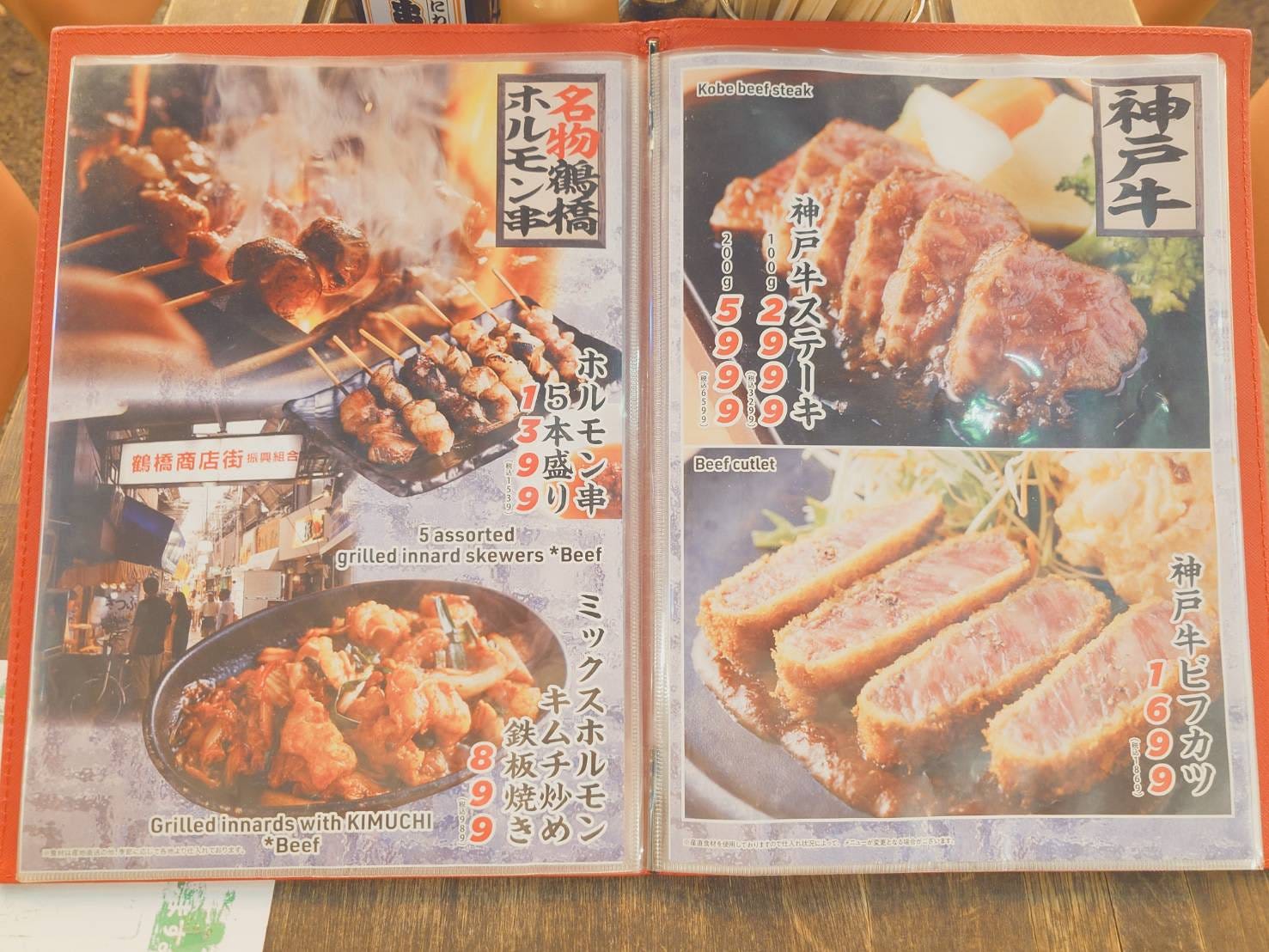
Menu items such as a 2999 yen ($19.25 USD) Kobe beef plate and similarly priced beef tongue raised concerns among locals. One Japanese customer said, “For that price, there is nothing here that really stands out. If I want regional food, I go to an izakaya that specializes in it.” A Chinese visitor agreed, saying, “Other places are cheaper. Japanese food is usually affordable and very good. High prices here are disappointing.”
Atmosphere and Comfort Also Play a Role
Noise and environment were recurring complaints. Several locals described the space as “a place you visit once.” Others said, “There are so many tourists that it feels isolating.” An older guest remarked, “This is for younger people. It is not really for us.” Combined with pricing, these reactions suggest a widening gap between the alley’s concept and customer expectations.
A Tokyo Venue at a Crossroads
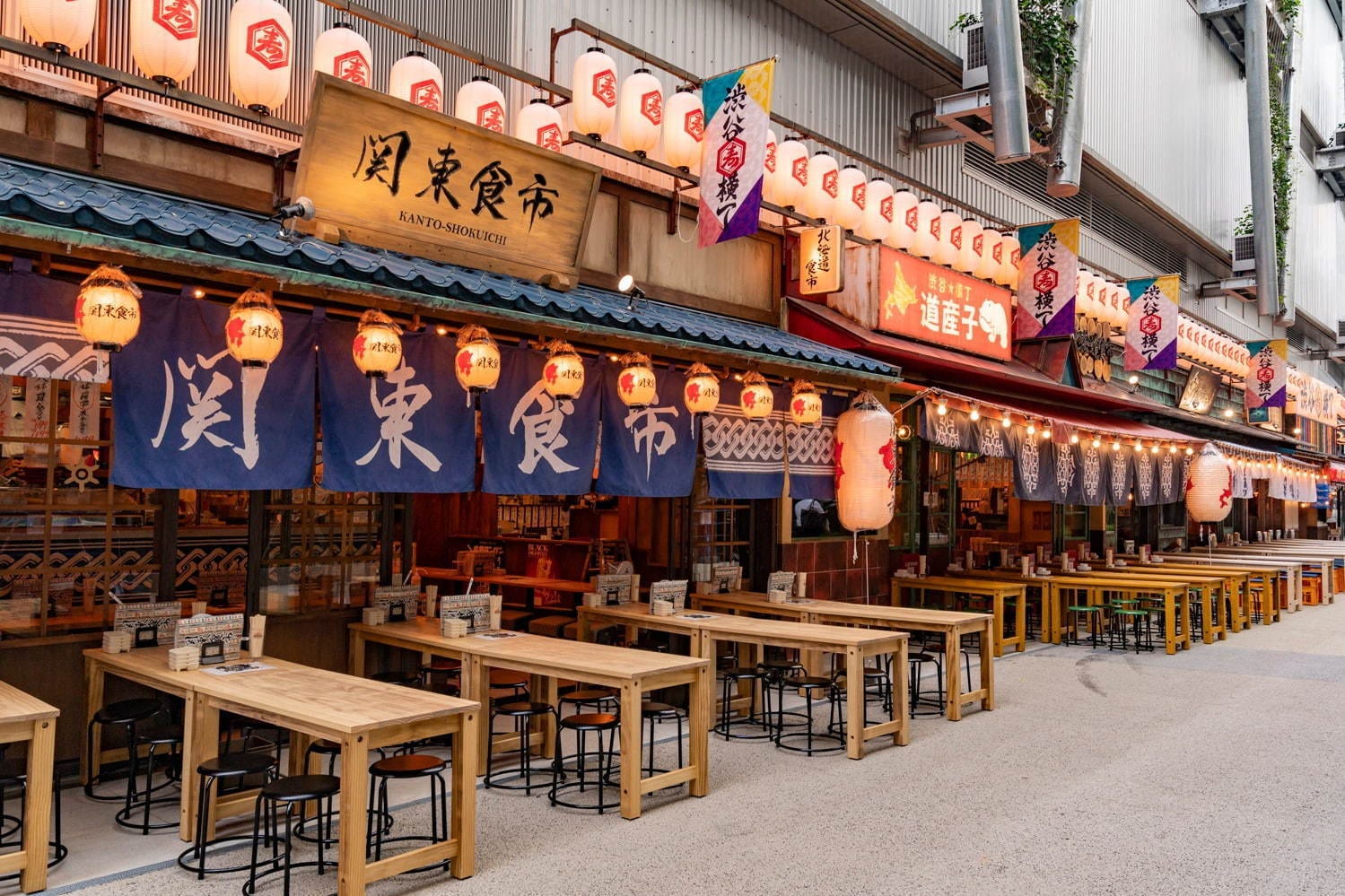
Shibuya Yokocho retains appeal for inbound travelers who appreciate its convenience and variety. Domestic visitors, however, remain critical of value, service, and atmosphere. The alley now stands between two possible identities: a tourist focused entertainment zone or a community friendly dining street. Its future in Tokyo may depend on which path it chooses to commit to.
I was telling a friend about how I felt similarly about certain areas over here in Kansai.
For example, I like Nara prefecture, but I avoid Nara city because the place has been terraformed to accommodate tourists tastes and interests for so long that theres nothing really that good that, and everything that is there is overpriced anyway. It's made to squeeze money out of people who wouldn't know where else to find anything. It's business in a vacuum free of competition, since they dont have much to compare any of it, and are just passing through anyway, and maybe won't be back again.
For someone living here, there's no reason to weather the deer poop smell for that.
Same with most of Namba in Osaka.