


Hands Shibuya will close in November 2026 after 48 years, ending its run as one of the district’s most familiar shopping landmarks.
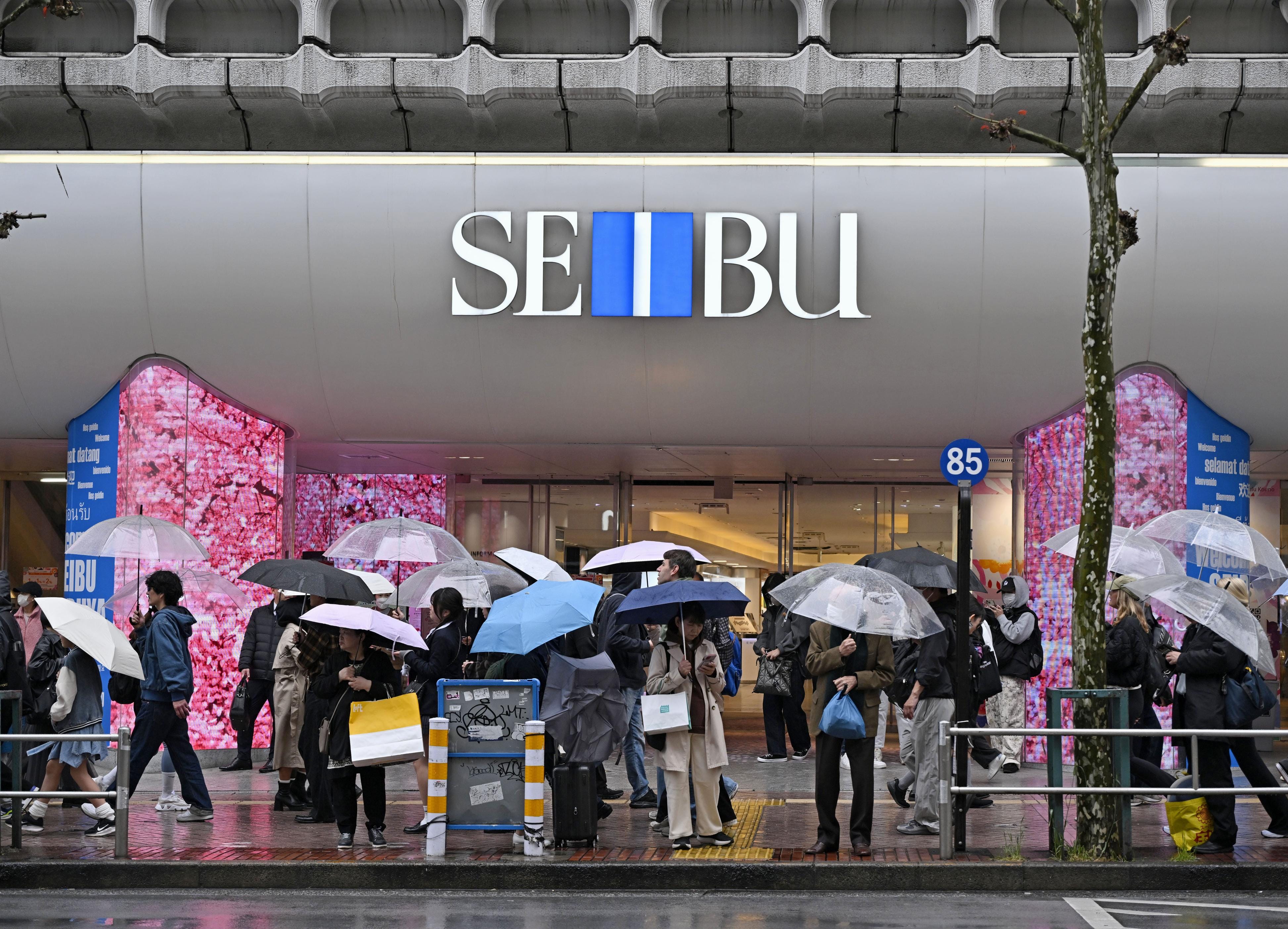
Seibu Shibuya will close at the end of September 2026, removing another major department store from the neighborhood.
Online reactions in Japan are asking whether redevelopment, rising rents, and changing foot traffic are stripping away what made Shibuya feel like Shibuya.
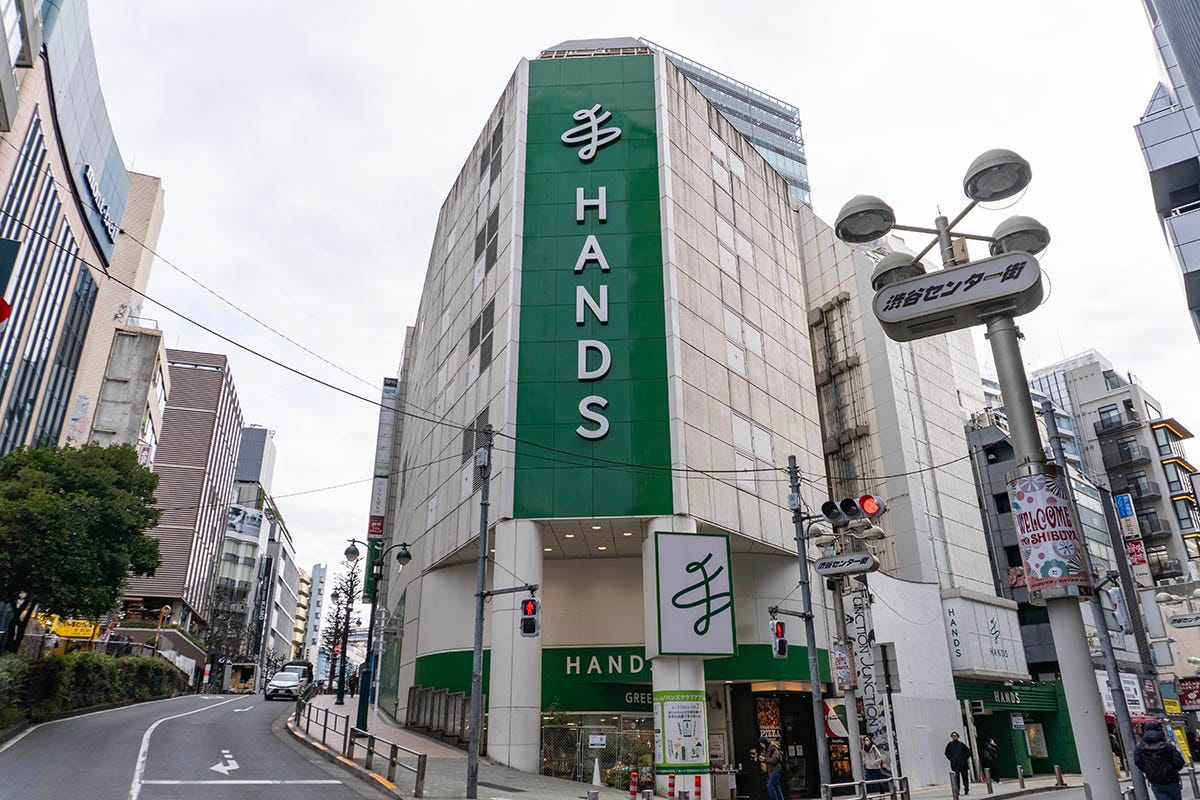
Tokyo’s Shibuya ward is facing another major shift in 2026 as two longtime retail landmarks prepare to close. Hands Shibuya, formerly known as Tokyu Hands, announced on May 25 that its flagship Shibuya location will close in November. The store opened in September 1978 and became famous for its DIY goods, lifestyle items, roughly 100,000 products, and unusual skip-floor layout connected by 408 steps. The closure is tied to the end of its lease, and there are currently no plans to relocate the store.
The news follows the announcement that Seibu Shibuya will close at the end of September. Seibu Shibuya opened in 1968 near the Scramble Crossing and became a major symbol of the Sezon retail era, helping promote young designers and fashion culture in the 1980s and 1990s. For non-Japanese readers, Seibu is a major Japanese department store name, while Hands is a long-running lifestyle and hobby retailer known for tools, crafts, stationery, and unusual household goods.
Online Reactions Point to a Bigger Question
On X, many users responded with memories of the stores, but also with a deeper concern about Shibuya’s changing identity.
“As redevelopment moves forward, the things and elements that truly supported Shibuya’s unique culture are being lost one after another,” one user wrote. “It makes the idea that the city is dying because of capital feel more concrete. People treat it like a metropolis, but in reality, what made Shibuya Shibuya was a collection of small businesses and creative activity.”
Another user noticed changes inside Hands before the announcement. “I went to Hands Shibuya yesterday and there was no register on the floor, so I asked a staff member, ‘Did there used to be more?’ and they gave a wry smile and said, ‘We don’t have enough staff.’ The lease may be the trigger, but the nearby Loft has changed too.”
Another response captured the wider mood. “Seibu Shibuya closes in September, Hands Shibuya closes in November. Both are lease-related. I think cities should keep changing, but having these two stores disappear from Shibuya really is sad.”
The End of an Older Shibuya
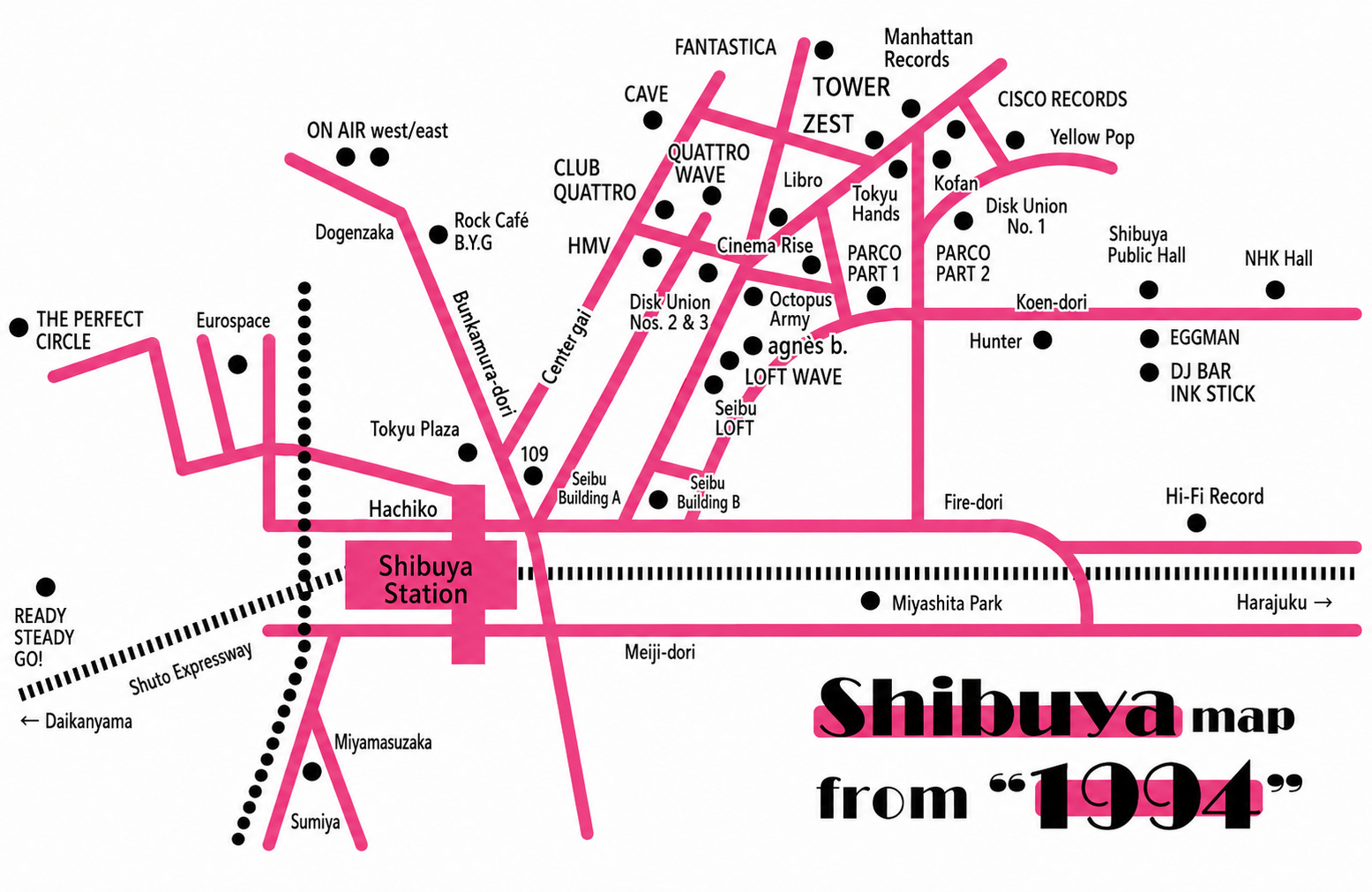
For many Japanese shoppers, the closures feel like another step away from the Shibuya of the 1980s and 1990s. Seibu Shibuya was closely tied to the rise of designer fashion, including the broader boom around Comme des Garçons, Issey Miyake, Yohji Yamamoto, and other brands that helped define Japanese fashion’s global image.
Hands Shibuya carried a different kind of memory. “There was a live house called Shibuya Chelsea Hotel nearby, and I used to stop by before shows to kill time,” one user wrote. “There were so many stairs, and that was fun. It felt easy to get lost, but I liked how you could discover all kinds of things.”
Another user wrote, “When I was young, I went there several times. I still remember the inside of the store connected by all those stairs.”
The closures follow the 2020 shutdown of Tokyu Department Store Toyoko’s west and south wings, and the 2023 closure of Tokyu Department Store’s main Shibuya location after 56 years. With Seibu also leaving, it seems that Shibuya is losing the department store culture that once helped define the neighborhood.
Station Changes Also Reshaped the City
Some reactions focused less on the buildings and more on the infrastructure around them. One user wrote, “I feel like one reason for Shibuya’s decline was sending the Toyoko Line deep underground.”
Another wrote that Shibuya’s decline came from the major station renovations, adding that once either otaku shops like Mandarake or Animate disappear, they will have almost no reason to go there anymore.
The Tokyu Toyoko Line moved underground in 2013, allowing through service with the Tokyo Metro Fukutoshin Line. The change improved rail convenience, but it also altered how people moved through the area. For many longtime visitors, the old surface-level flow of foot traffic around the station was part of what made Shibuya feel alive.
Can Shibuya Still Be a Culture Hub?
Some users see the closures as part of a larger social change rather than a Shibuya-only problem. “Shibuya keeps losing distinctive cultural commercial facilities,” one user wrote. “With fewer young people because of the declining birthrate and rents getting higher, Shibuya can’t go back to being a source of culture and trends. All we can do is watch it decline.”
Another user offered a darker but more resigned view. “Hands is disappearing, Seibu is disappearing, movie theaters and theaters are disappearing, and foreigners are flooding Don Quijote and Uniqlo. Shibuya keeps getting poorer. But maybe that is also Shibuya-like in its own way.”
That last idea points to the tension at the heart of the debate. Shibuya has always changed. But many online reactions suggest that change feels different when unique stores and local culture are replaced by the same large-scale commercial spaces found everywhere else.
What Made Shibuya Feel Like Shibuya?
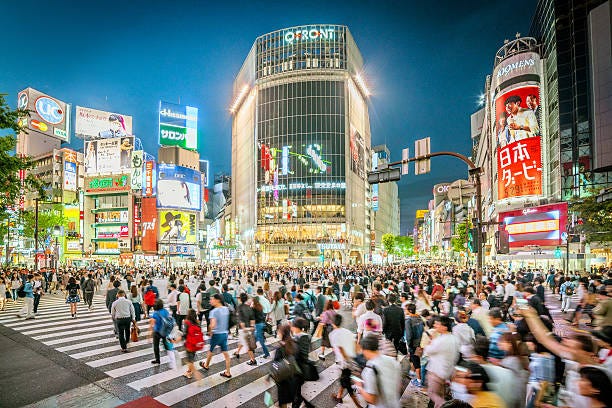
“Seibu is disappearing from Shibuya, and Hands is disappearing too. On that side, I guess all that is left is Parco and Tower Records. It’s going to feel lonely,” one user wrote.
Another wrote, “At the start of the year, I never imagined Seibu and Hands would both disappear from Shibuya. The city is going to become even more boring than it already is.”
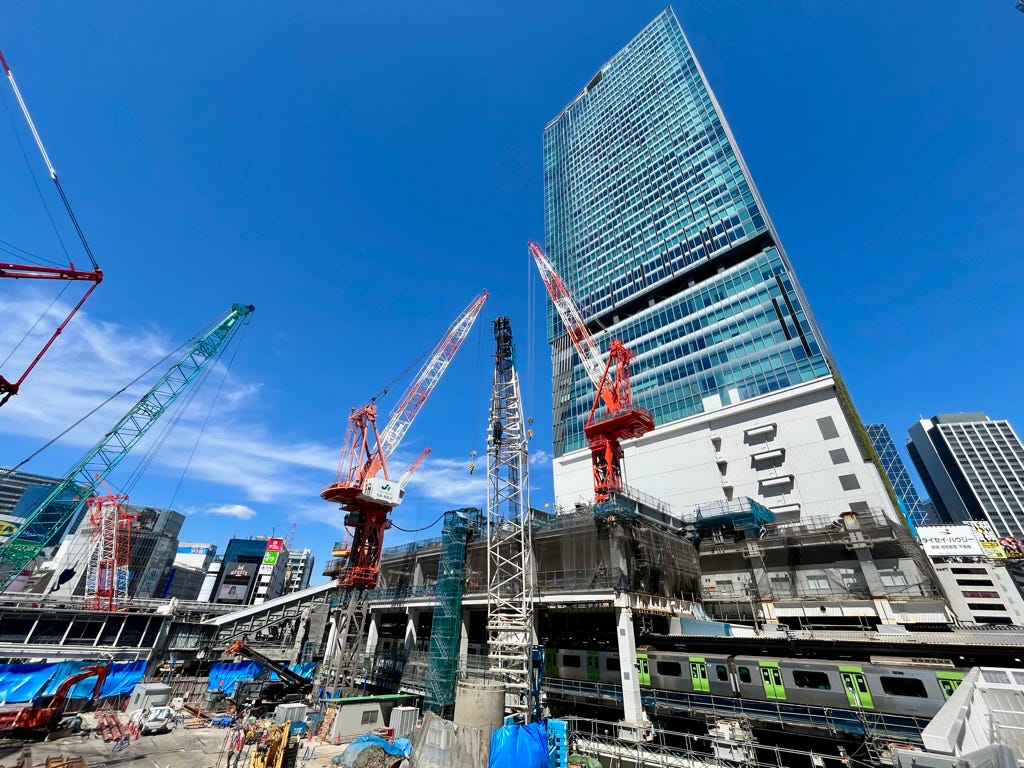
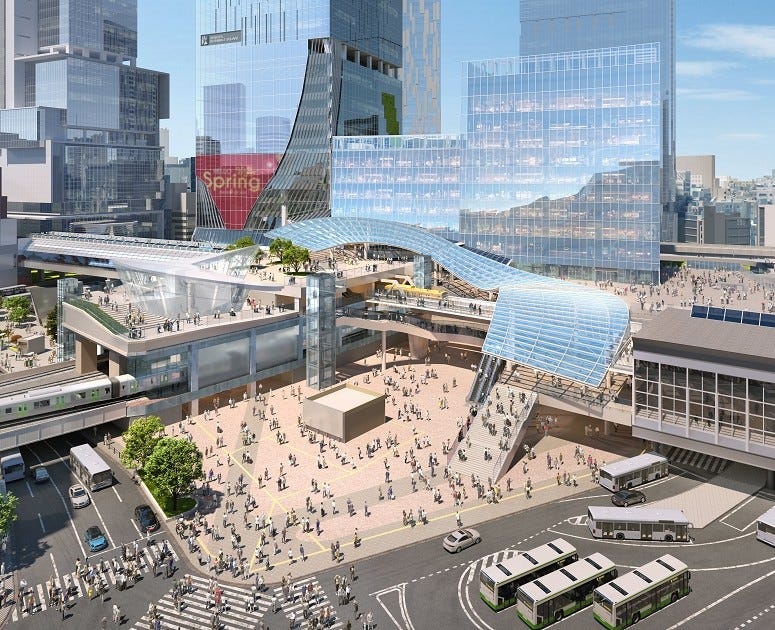
Major redevelopment is still moving forward. Shibuya Sakura Stage and Shibuya Axsh opened in 2024, the Shibuya Upper West Project at the former Tokyu Department Store main location is planned as a 34-story complex scheduled for completion in fiscal 2029, and the second phase of Shibuya Scramble Square is expected to fully open in fiscal 2031. But new buildings do not automatically make a neighborhood more interesting.
One user summed up the anxiety simply: “I don’t want it to become a commercial facility like anywhere else.”
That may be the question now facing Shibuya in 2026. After Seibu and Hands disappear, can the neighborhood keep offering the kind of experiences people can only find there?