


It looks like a Christmas Miracle: A Japanese girl dancing with a dinosaur in a Santa Claus hat and cape in a winter wonderland. Maybe you’ve stumbled across this strange image somewhere online and wondered where it came from. It’s a scene from 1993’s Rex: A Dinosaur’s Story, a film that keeps finding new viewers, usually around Christmas, almost in spite of itself.
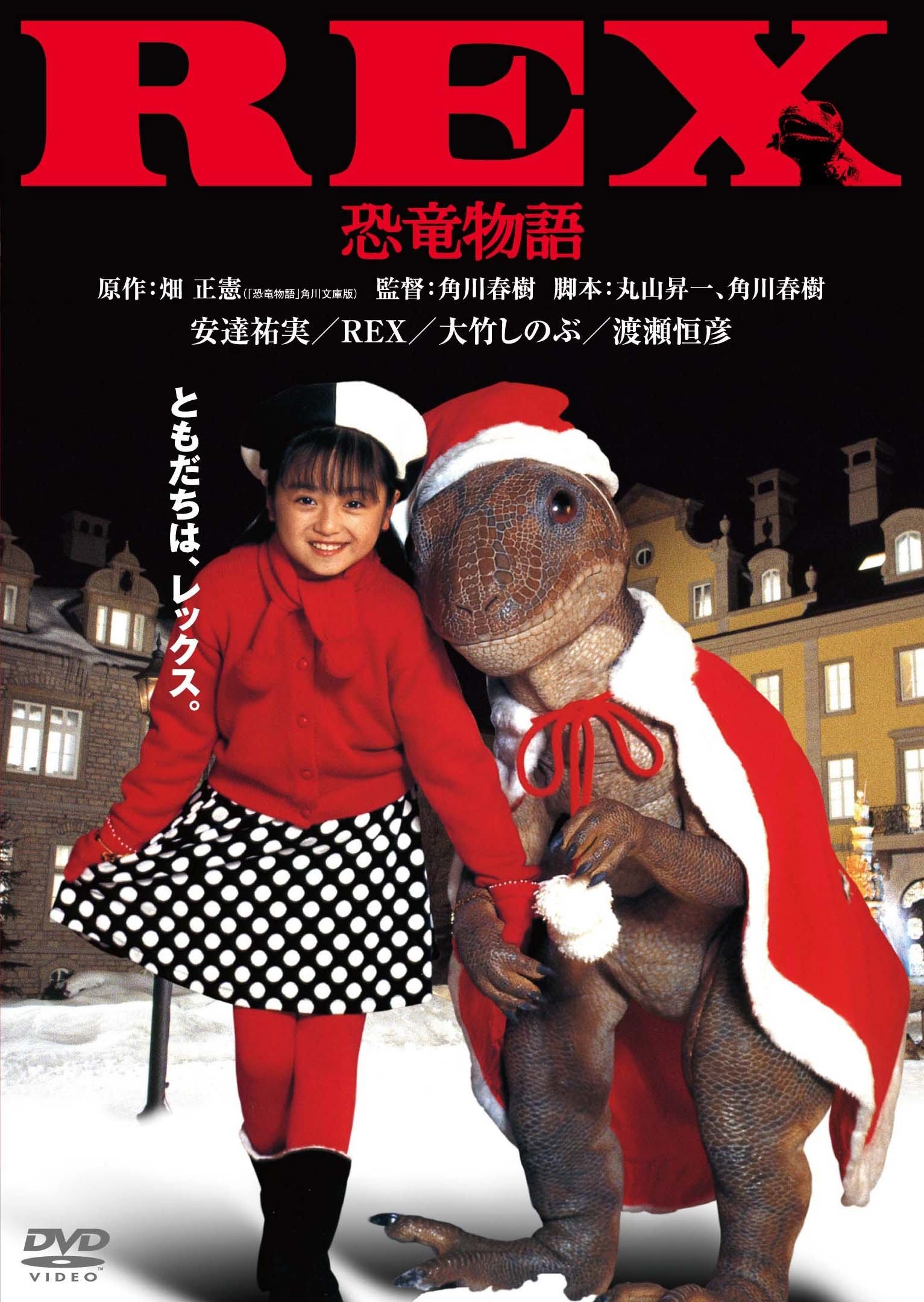
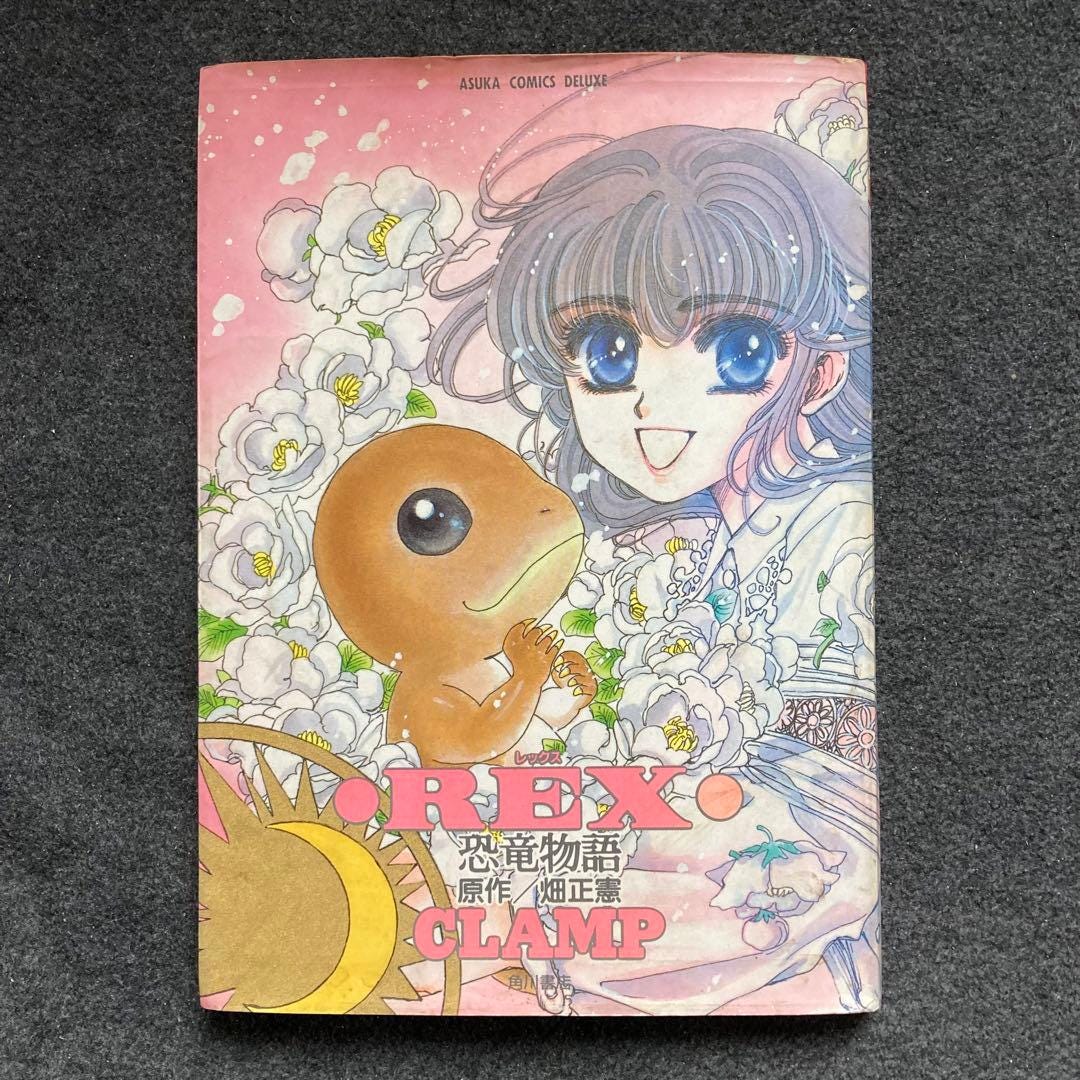
Released in Japan on July 3, 1993, Rex: A Dinosaur’s Story was conceived as a major event picture. Directed and co-written by legendary movie mogul Haruki Kadokawa (G.I. Samurai, Heaven and Earth), the film carried a reported production budget of 2 billion yen (about $18.2 million USD at the time), placing it among the most expensive Japanese films of its era. Rex was slated for success and classic status until a drug scandal ruined its long-term chances at the Japanese box office.
A Family Story Set Against Snow and Separation
Set largely in snowy Hokkaido, the story follows paleontologist Akira Tateno and his daughter Chie (played by Yumi Adachi), who discover a Tyrannosaurus egg hidden deep inside a mountain cave. When the dinosaur hatches, Chie names the creature Rex and raises it herself, forming a bond that resembles parent and child more than owner and pet. As Rex grows, that fragile family unit becomes harder to protect, pushing Chie to confront separation and responsibility far earlier than expected.
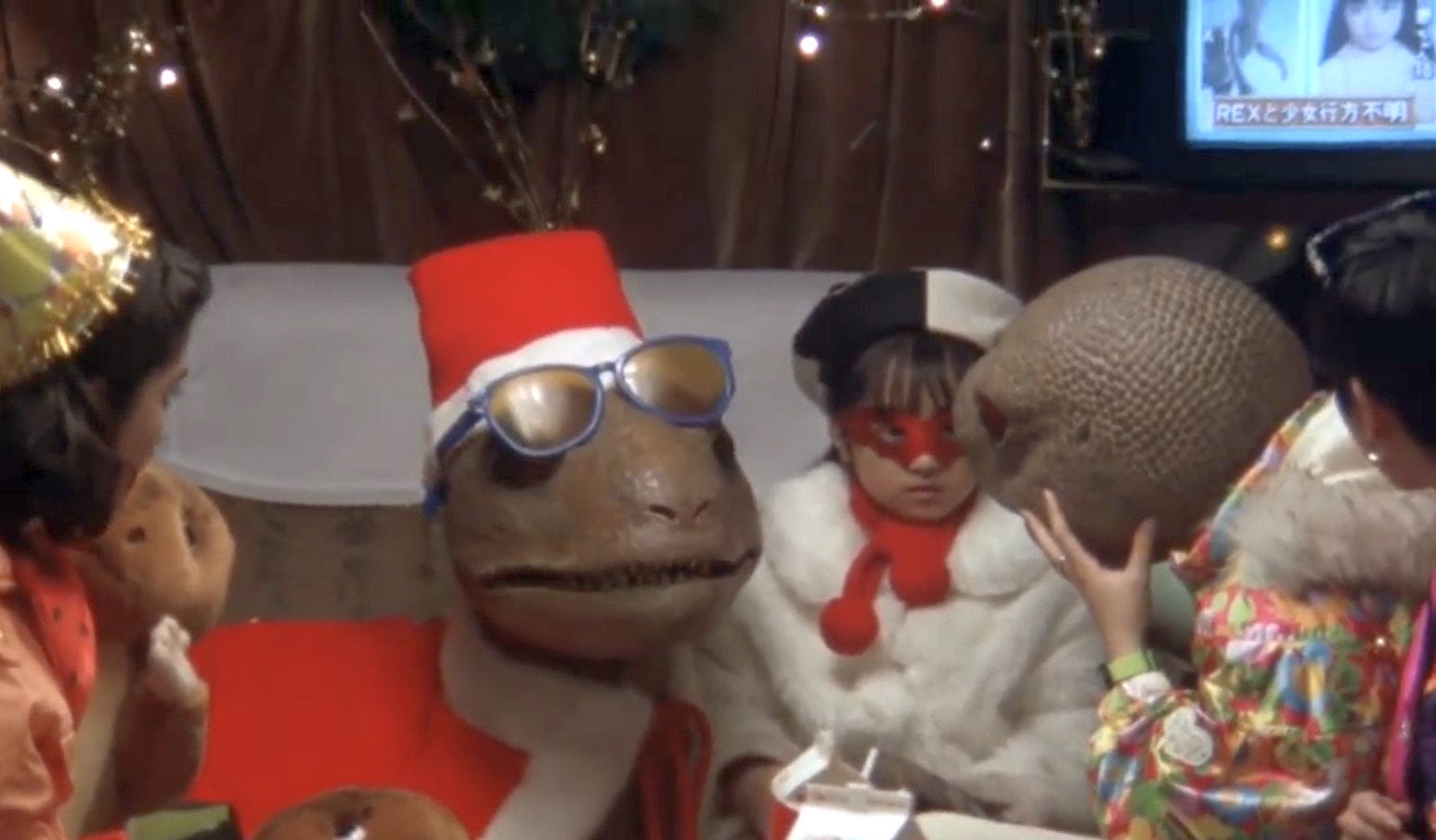
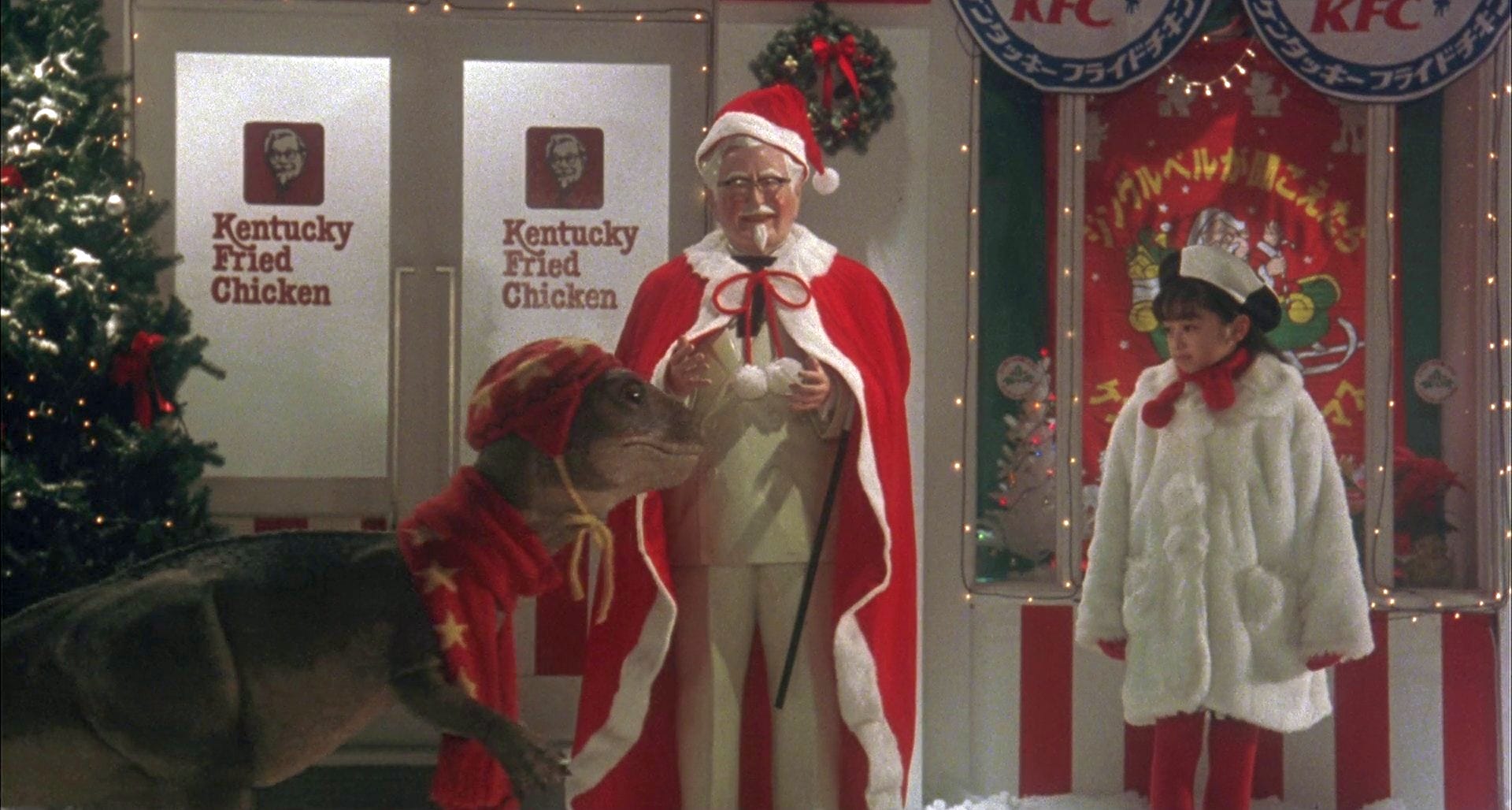
The screenplay was co-written by director Haruki Kadokawa and veteran screenwriter Shoichi Maruyama, whose credits include the Battles Without Honor and Humanity yakuza films at Toei Studios. Together, they designed the film in a deliberate three-act structure. The first act centers on discovery and birth, the second on Rex’s growth and escape with Chie, and the final act on emotional resolution. Many odd scenes are peppered throughout, the dancing dinosaur Santa being only one of them (there’s even an apperance by Col. Sanders).
Within Haruki Kadokawa’s body of work as a producer, director, and screenwriter, Rex: A Dinosaur’s Story was an outlier. Most of his output emphasized macho action like Resurrection of Golden Wolf (1979) or epic adventure like Legend of the Eight Samurai (1983). Rex instead keeps its focus on a child, a single family, and a limited setting, even while carrying a large budget.
From Hollywood Dreams to a Japan-Only Release
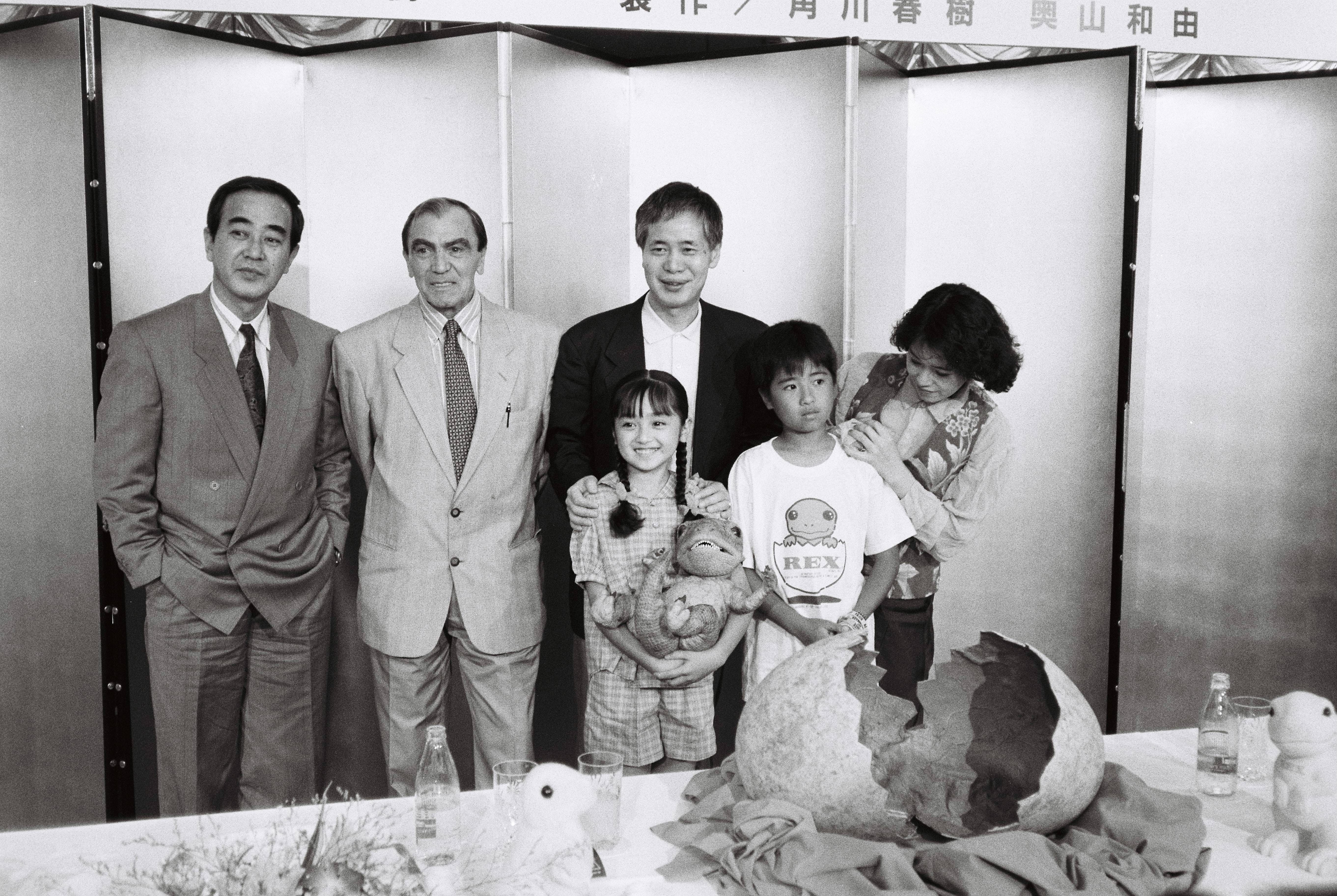
Rex did not begin as a Japanese family film. Haruki Kadokawa originally planned to produce the movie in Hollywood, continuing his push toward international-scale filmmaking that began with Virus in 1980. But when Jurassic Park arrived in theaters, Kadokawa chose to avoid direct comparison and reshaped Rex into a domestic Japanese production aimed at shared family viewing.
Working alongside producer Kazuyoshi Okuyama (later to produce Takeshi Kitano’s Violent Cop and Sonatine), Kadokawa partnered with Shochiku movie company to recalibrate the film’s tone and pacing. The goal was explicit: create a movie that could satisfy a ten-year-old child and a parent in their mid-thirties during the same screening.
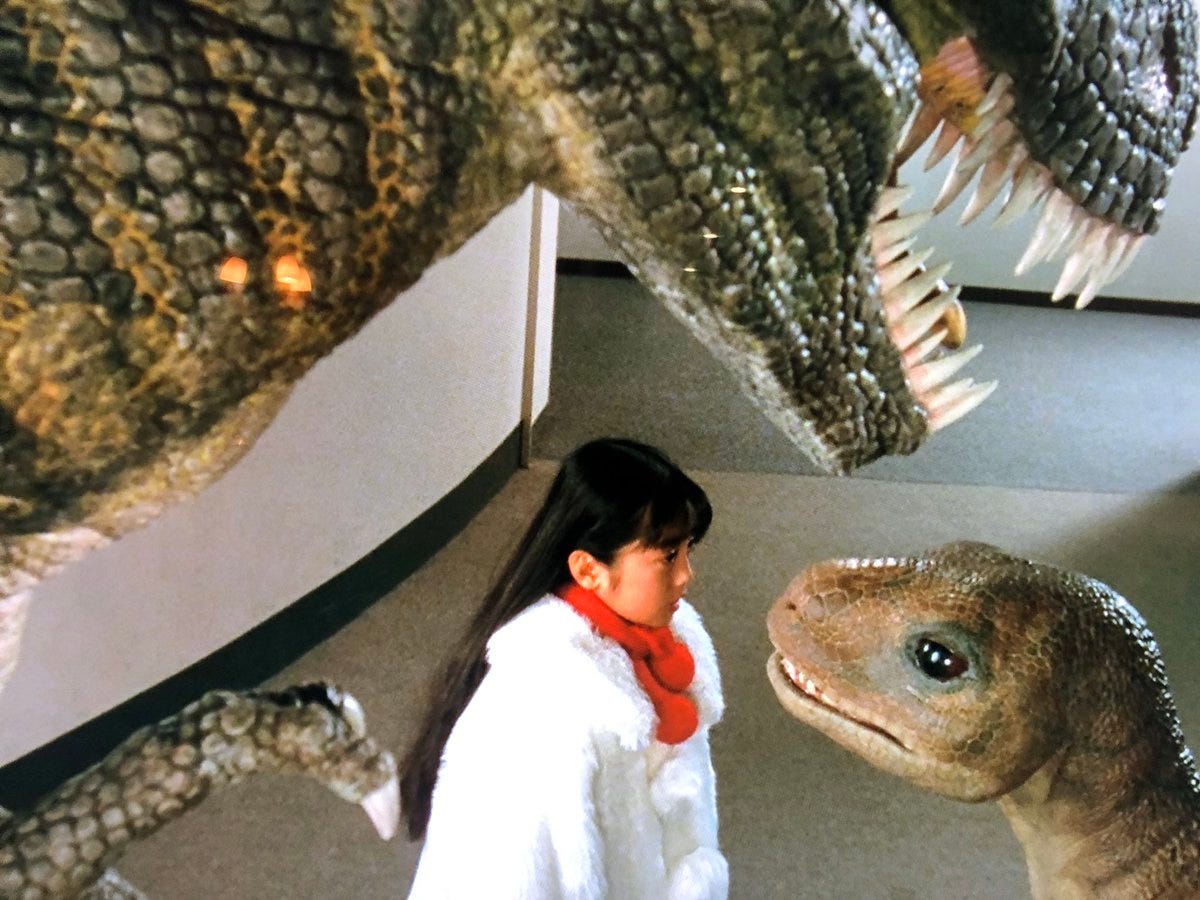
The dinosaur suit was created by special effects artist Carlo Rambaldi, known internationally for his work on Spielberg’s E.T., at a reported cost of five million dollars. Miniature work was handled by Special Art GAM (founded by Akihiko Iguchi, a veteran of the Godzilla and Ultraman series), while visual effects processing was completed by IMAGICA, with early computer graphics support from LINKS Corporation.
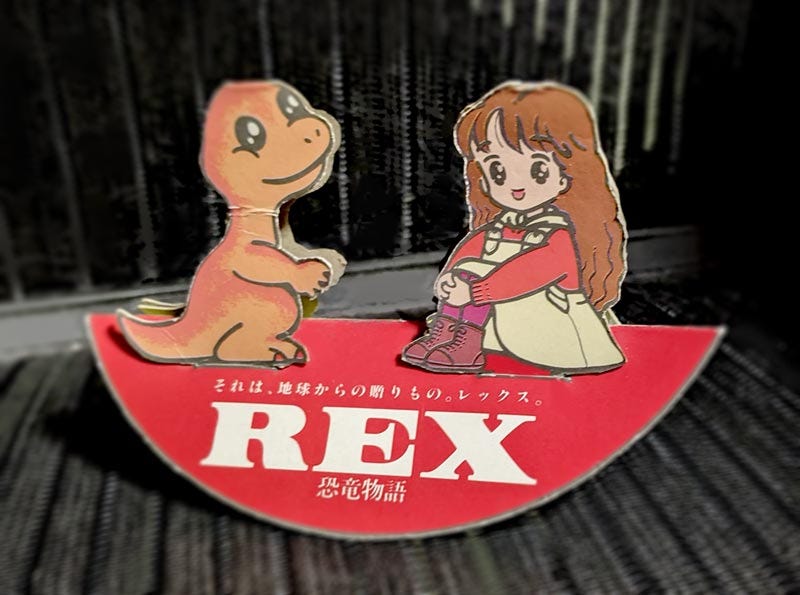
A Box Office Hit Interrupted by a Cocaine Scandal
As was the case with Kadokawa films since the 1970s, Rex was given an aggressive marketing push, with advertising costs reaching 450 million yen (approximately $4.1 million USD in 1993).
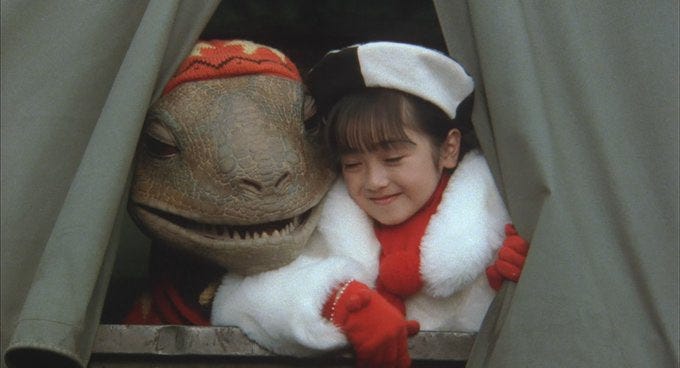
Upon release, Rex: A Dinosaur’s Story was a commercial success, earning 2.2 billion yen in distribution revenue (approximately $20 million USD in 1993). For several years, it ranked as Shochiku’s highest-grossing film, and strong attendance led to plans to extend its theatrical run from ten weeks to fourteen.
Those plans collapsed on August 29, 1993, while Rex was still in theaters. Haruki Kadokawa was arrested in connection with a drug smuggling scandal, after authorities accused the media mogul of sending an aide to the United States to purchase 80 grams of cocaine worth about 5.6 million yen (approximately $50,000 USD), a case that led to his indictment, resignation from Kadokawa Shoten, and a highly publicized trial.
As the scandal broke, Rex was abruptly pulled from theaters by the Shochiku marketing office, and ticket prices for the last screenings were reduced to 100 yen as a public apology. Industry estimates suggested the film could have reached 3.0 billion yen (approximately $27 million USD in 1993) without the scandal. Despite its box office performance, the production side was left in deficit at the time of release.
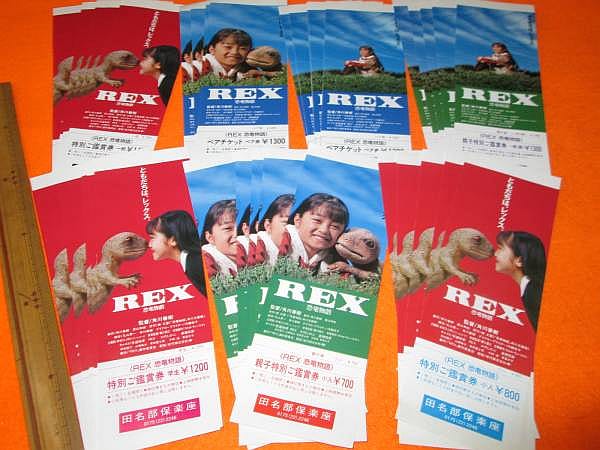
Critical response at the time was harsh, often shaped by Kadokawa’s public downfall rather than the film itself. Reviewers dismissed it as bloated or misguided. Yet audiences, particularly children, reacted differently. Reports from opening screenings describe applause from young audiences once the film ended.
Two Careers Head in Very Different Directions
After Rex: A Dinosaur’s Story, Haruki Kadokawa’s career entered a long period of instability. His drug arrest effectively ended his role as a central power figure in Japanese filmmaking, and the Kadokawa media empire he once led continued without him. Kadokawa, now 83, later returned to directing on a smaller scale in the 2000s but never regained the cultural influence or financial reach he held during the dizzying height of the Kadokawa Film era in the 1980s and early 1990s.
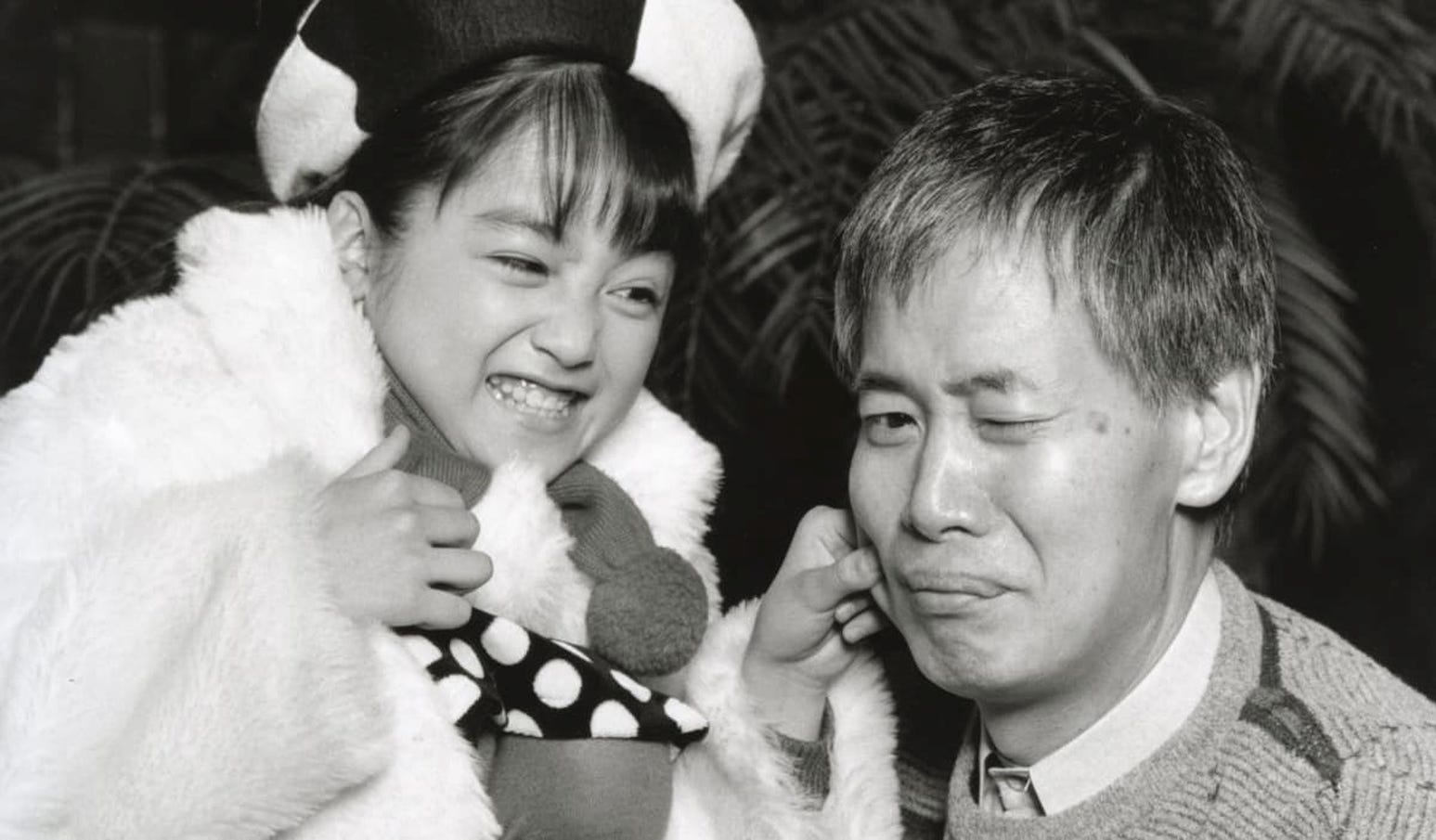
By contrast, Rex marked the beginning of a long and successful career for actress Yumi Adachi. Shortly after the film’s release, she became a household name through television, most notably with Homeless Child, and successfully transitioned from child stardom into adult roles, including films such as A Courtesan With Flowered Skin (2013) and Suicide Forest Village (2021).
From Forgotten Release to Christmas Cult Favorite
As for Rex: A Dinosaur’s Story, the film eventually became a footnote in Japan and remains largely forgotten there today (while many Kadokawa films have been given 4K remasters for home video, only a standard definition DVD of Rex remains in print). More recently, movie fans overseas, notably Justin Decloux of The Important Cinema Club Podcast, rediscovered the bizzare charms of Rex and began circulating it as a cult favorite during “Holiday Movie Mind Melter” events.
Now, the sight of a little Japanese girl dancing with a dinosaur in a Santa Claus suit in a winter wonderland is slowly becoming more familiar with each passing year. But whether Rex: A Dinosaur’s Story will one day sit alongside seasonal staples like A Christmas Story or Die Hard remains to be seen…
My wife was 4 when this released. She's never heard of it. But now I want to watch it...