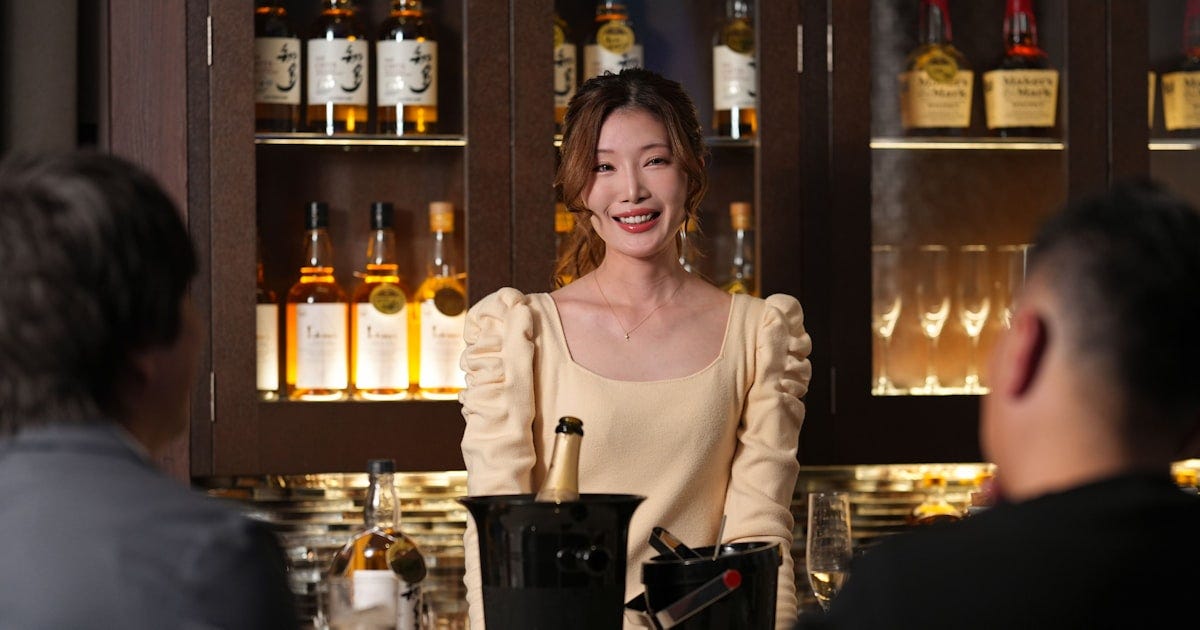

Japan’s traditional nighttime social spots, known as Snack, are shrinking in number, but still total around 45,000 nationwide.
A new startup is trying to modernize the business with cashless payments, customer management tools, and app-based community features.
Owners in both Tokyo and rural Japan see the shift as a way to attract younger customers, reduce friction for first-timers, and keep a distinctly Japanese social culture alive.
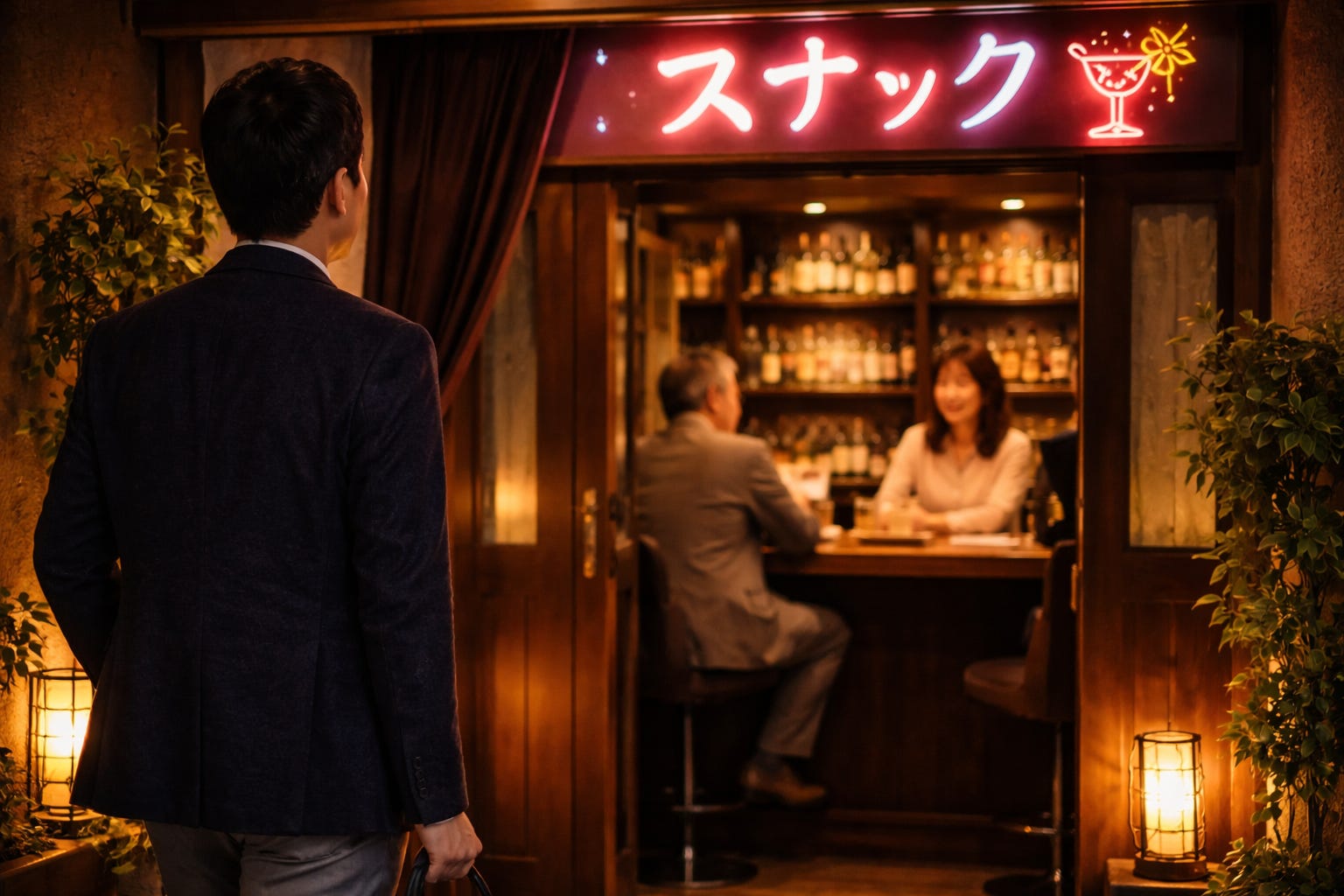
Japan’s old-school Snack (スナック), small neighborhood drinking spots centered on conversation, karaoke, and the personality of the owner, are getting an unlikely 21st century upgrade. Once more numerous than convenience stores, these venues peaked at around 120,000 locations in the 1990s and still number roughly 45,000 today. But aging customers, fewer company drinking parties, inflation, labor costs, and the pandemic have all put pressure on the business. Now, a new wave of operators and tech entrepreneurs is betting that digitization could help keep the culture going for a new generation.
What a Japanese Snack Is, and What It Is Not
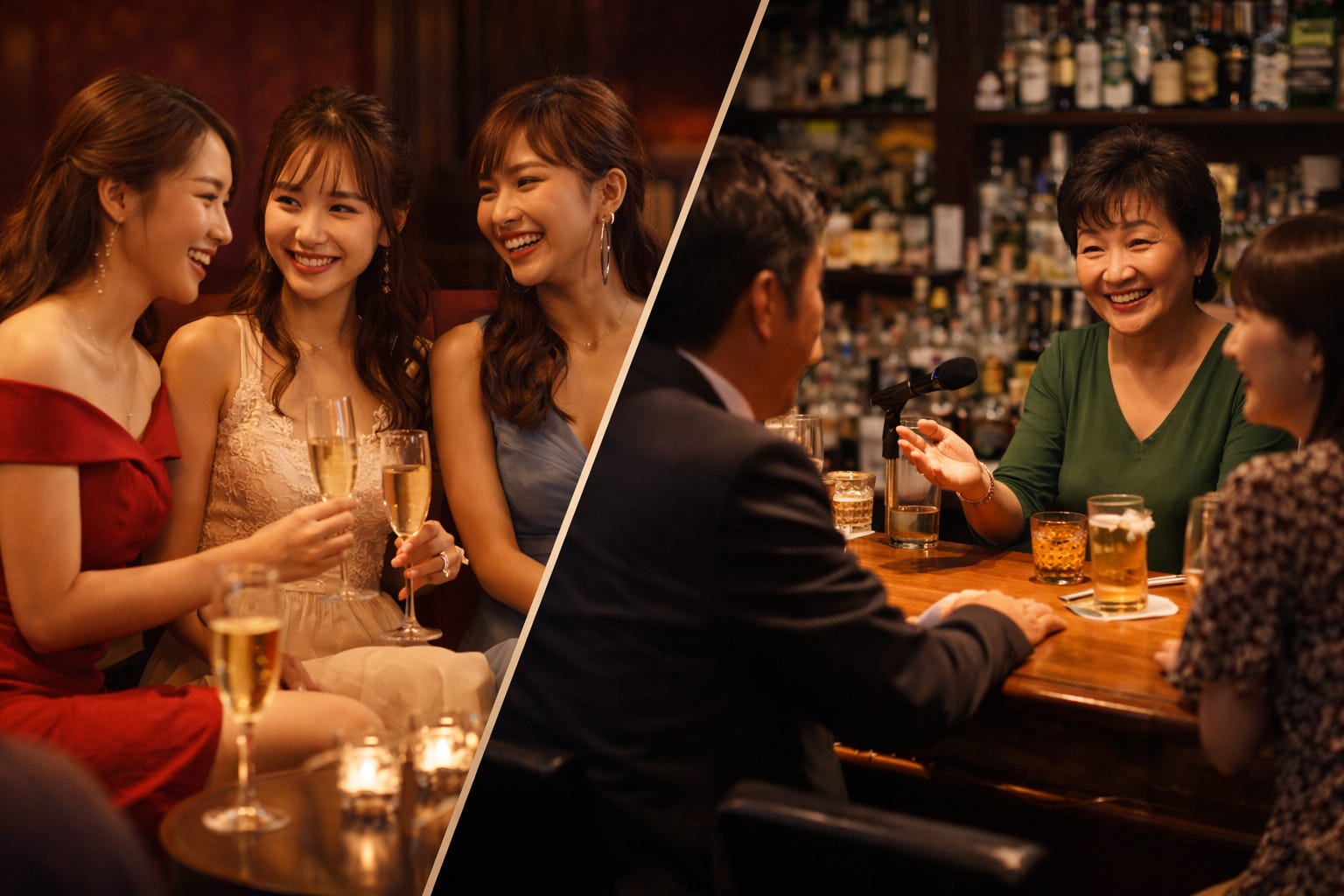
A Snack is not a Western-style snack bar, and it is not simply a bar that serves chips or finger food. In Japan, Snacks are small nightlife establishments where guests drink, sing karaoke, and talk with the owner or staff, often in a cozy, highly personal setting. Many are run by a woman known as a mama, a familiar term for the female proprietor who sets the tone of the place, remembers regulars, and often acts as host, confidante, and social connector all at once.
The format is said to have taken shape after changes to Japan’s entertainment business laws around the time of the 1964 Tokyo Olympics, when some venues began serving light food, or snacks, alongside alcohol. Over time, Snacks spread nationwide as after-hours hangouts, local gathering places, and reliable second or third stops late at night.
Why Japan’s Snack Business Is Under Pressure
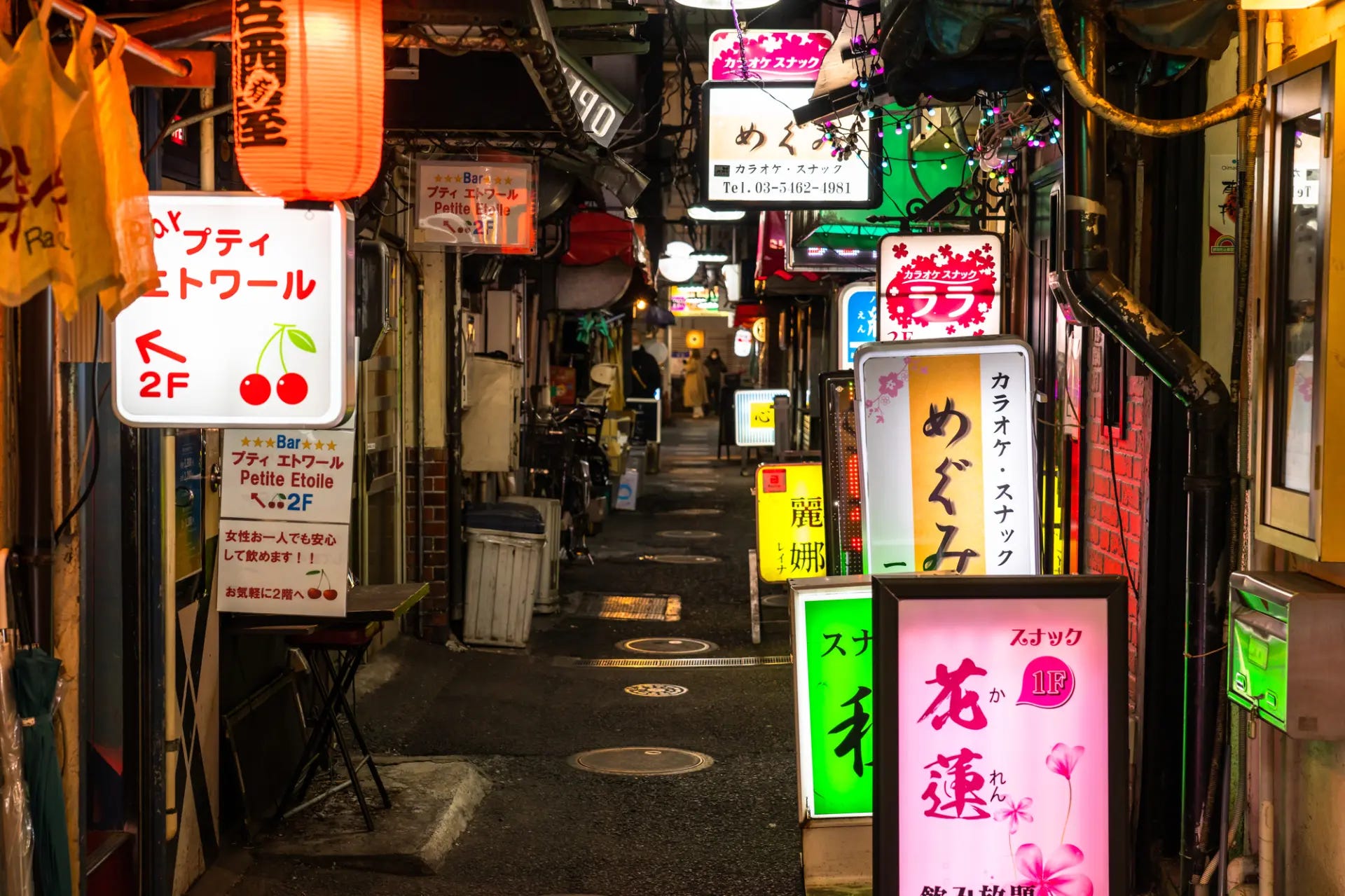
Even with a footprint comparable to Japan’s convenience store sector, the business has been contracting for years. An estimated 10,000 Snacks shut down during the COVID era alone, based on estimates from the All Japan Snack Federation. After that, the recovery has been uneven. Fewer office drinking parties, an older customer base, and rising operating costs have made it harder for many shops to survive.
That has created an opening for entrepreneur Yuzo Sekiya, described in the story as a Reiwa-era hitmaker because of earlier business successes including bringing the popular Taiwanese cafe chain Chun Shui Tang to Japan and helping ignite the country’s tapioca boom. In 2024, Sekiya launched Snack Technologies and raised a total of 130 million yen (about $870,000) to build a platform app called Sunateku. His broader target is a legacy nightlife market he values at 8 trillion yen, or about $53.3 billion.
The Pitch: Make Snacks Easier to Enter and Easier to Trust
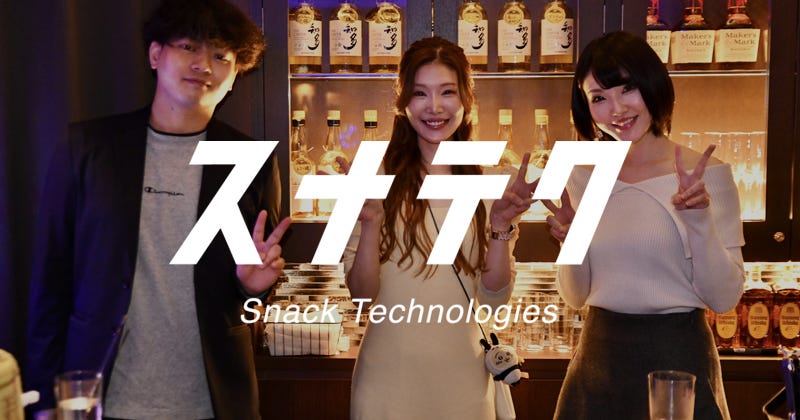
Sekiya’s central argument is simple. A lot of people are curious about Snacks, but many never go because the format feels intimidating. Heavy doors, unfamiliar house rules, lots of regulars, and vague pricing can all make first-time visitors nervous. According to a survey, around 70% in Japan of people have never used a Snack. Sekiya says, “The biggest barrier to attracting new customers is a lack of information.” He adds, “Around 70% of people have never used a Snack, and the difficulty of opening the door to a Snack for the first time, the large number of regulars, and the fact that many places still have unclear pricing systems are what keep people from coming in.” He also says, “For regulars, it is an extremely comfortable place, but for first-time visitors to jump in and discover the appeal of a Snack, there are many hurdles.”
Sunateku is designed to reduce that uncertainty. The app supports member registration, cashless payments, digital receipts, and customer management. It also shows store interiors, interview videos with the mama, and even nicknames of current visitors in real time for registered users. That means customers can check how busy a place is before heading over, or decide whether they want to join a certain crowd or avoid it. For a business built on personal chemistry, that kind of visibility is being framed as a new form of psychological safety.
The platform also includes a feature called Sunabomb, essentially a tipping or gifting function that lets users send drinks to staff or even buy champagne for other customers through the app. People can also support a venue remotely when they cannot visit in person. In other words, it borrows digital behavior patterns familiar to younger users and applies them to a very analog style of nightlife.
Tokyo and Rural Japan Both See a Future in Digital Snacks
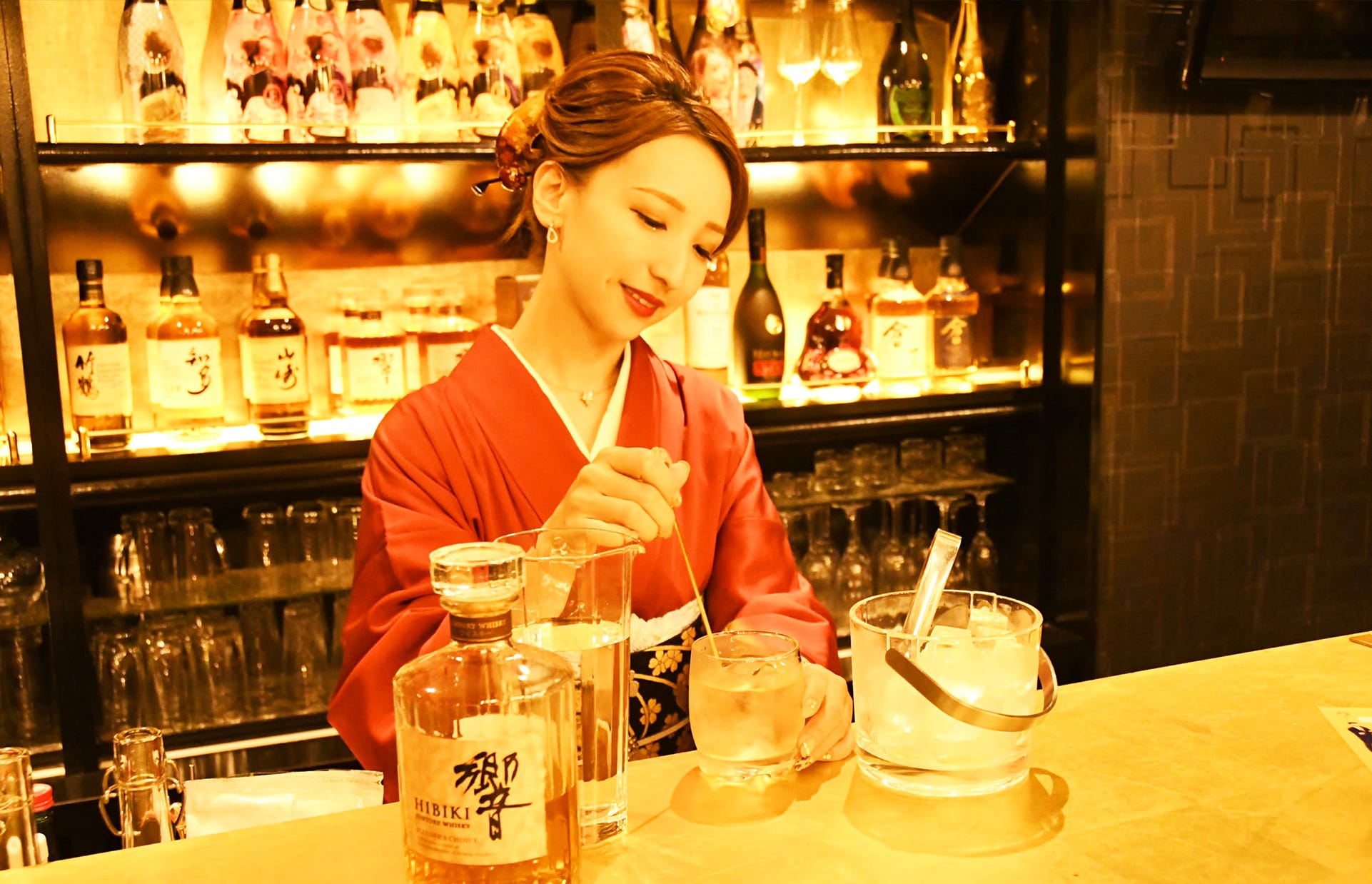
In Tokyo’s Shinbashi district, Saori Yoshida of BAR BRIDGE said, “The moment I saw Sunateku, I thought, ‘This will absolutely be a tool that strengthens the sense of unity in the shop.’” During the pandemic, Yoshida had already used livestream tipping and crowdfunding to stay connected with regulars and protect staff livelihoods, so she views digital tools as a natural next step rather than a threat to the atmosphere. Yoshida also said, “There may be customers who hold back on drinking if you clearly show the pricing details, but these days it is more important to let people have a good time with transparent accounting and come back again.”
In rural Yamagata Prefecture, Natsumi Ito of Lounge Eagle. sees similar potential. Her venue is located in Akayu, a hot spring area in Nanyo City, and serves many local business owners. Ito says, “A local Snack is a place that connects people, and a mentor-like presence where you can listen to the stories of business owners.” She also says customer management tools are especially useful because remembering names and habits is difficult when you are trying to build repeat business in a shrinking local market.
Ito also represents another modern twist on the format. During the pandemic, she taught herself video editing and social media, posting clips on Instagram and TikTok that eventually helped her reach a combined following of 100,000. Around 20% of her customers now come from outside the prefecture, and her influence has grown to the point that lounge vouchers are even being used as gifts in Japan’s furusato nozei system, a hometown tax donation program in which contributors support regional municipalities in exchange for local rewards.
For Sekiya, the long-term goal is not just saving a fading nightlife format. It is turning Snacks into a new kind of community infrastructure, much the way local shops once evolved into convenience store networks. Whether that vision catches on nationwide remains to be seen. But in a country where loneliness, aging, and regional decline are all major social concerns, the idea of making these intimate social spaces easier to find, easier to trust, and easier to join has real value.