


• Kokuho becomes Japan’s top grossing live action film of all time
• Mamoru Hosoda’s newest anime feature Scarlet underperforms despite major TV network support
• Word of mouth proves stronger than traditional media influence
A Historic Record Falls While Another High Profile Film Struggles

On November 25, the period drama Kokuho made Japanese box office history. The film surpassed Bayside Shakedown 2: Close the Rainbow Bridge, a 2003 police drama based on a hit TV series that held the live action record for twenty two years. That same day, box office data arrived for Mamoru Hosoda’s newest anime film Scarlet. Its weaker than expected debut created a sharp contrast with Kokuho and highlighted major changes in Japanese viewing behavior.
Scarlet, an original anime story about siblings separated across shifting timelines, opened in third place behind Tokyo Taxi and Bomb. It earned 270 million yen (about 1.78 million dollars) during its Friday through Monday launch. Hosoda’s previous film Belle opened with 890 million yen (about 5.87 million dollars) in its first three days and eventually reached 6.6 billion yen (about 43.5 million dollars). The gap between the two raised questions about what drives success at the Japanese box office today.
Television’s Grip on Movie Success Has Faded
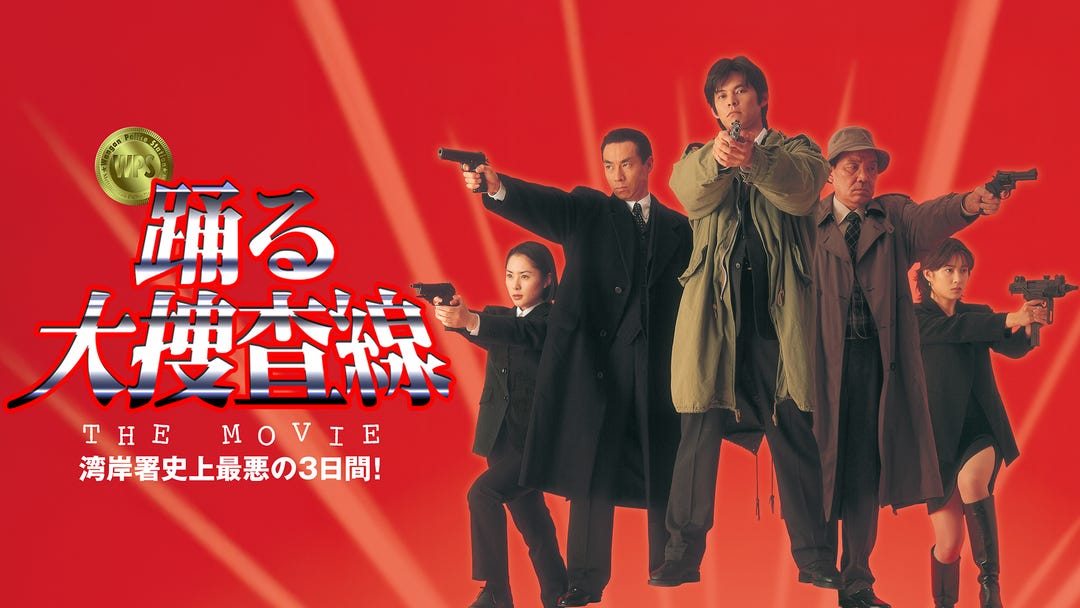
For decades, Japanese television networks shaped theatrical hits. In the late 1990s, Bayside Shakedown helped revive domestic cinema by proving that TV dramas could become blockbuster films. Throughout the 2000s, Fuji Television and other networks funded and promoted films that often outperformed Hollywood imports. Their influence defined the entire industry.
As streaming platforms expanded in the 2010s, networks faced shrinking revenue and reduced budgets for film production. Audience expectations shifted as well. A major turning point arrived in 2016 when Shin Godzilla and Your Name became consecutive mega hits without any major network involvement. Both films demonstrated that original director driven projects could succeed independently of the old system.
How Kokuho Was Built Differently

Kokuho tells the story of two young Kabuki actors whose rivalry and intertwined fates shape their artistic lives across several decades. Director Sang il Lee, known for Rage and Villain, developed the script over two years. Lead actors Ryo Yoshizawa and Ryusei Yokohama trained in Kabuki performance for a year and a half to authentically portray the film’s central art form.
Myriagon Studio, a subsidiary of Aniplex, handled production duties, while both companies formed the core of the production committee. This structure allowed for extended development, careful planning, and a level of craftsmanship rarely found in fast paced network driven projects. With a strong creative foundation, Kokuho quietly built momentum until it crossed 10 billion yen (about 66 million dollars), fueling speculation that it could overtake the Bayside Shakedown 2 record.
Audience Word of Mouth Now Overrides TV Promotion

While Kokuho rose steadily, Scarlet struggled despite significant backing from Nippon TV. The broadcaster heavily promoted the film and aired Hosoda’s earlier works (Wolf Children, The Boy and the Beast, Belle) on its Friday Roadshow slot in the weeks before release. Historically, this strategy helped propel Studio Ghibli and other major films to number one openings.
Social media reactions to Scarlet skewed negative. Some viewers reported attending nearly empty screenings. The film could not overcome the momentum of Tokyo Taxi, starring Takuya Kimura under director Yoji Yamada, or Bomb, which gained strong praise online. Despite massive television support, Scarlet was overtaken by audience sentiment.
A New and More Balanced Era for Japanese Cinema
Japan’s film landscape is entering a period where neither network promotion nor brand familiarity guarantees success. Films built with craft, patience, and distinct creative identity can rise on their own. Movies relying primarily on television amplification can falter if viewers lose confidence. Kokuho’s record breaking run and Scarlet’s slow start together signal a clear message. Japanese moviegoers now decide success based on the strength of the film itself, not the push behind it.
Fascinating observations, Patrick. Your analysis that “films built with craft, patience, and distinct creative identity can rise on their own” gives hope for the future. It suggests that the move from old to new media is not a race to the bottom as so often seems, but a new way of getting the job done that requires learning new lessons.