


71.7% of Japan’s public elementary and junior high schools still use fax machines for daily administrative work.
91.0% require documents to be stamped with a hanko, the traditional personal seal used in place of signatures.
The findings come despite a government goal to eliminate fax communication and mandatory stamping by fiscal 2025.
Analog Tools Still Common in Japanese Schools
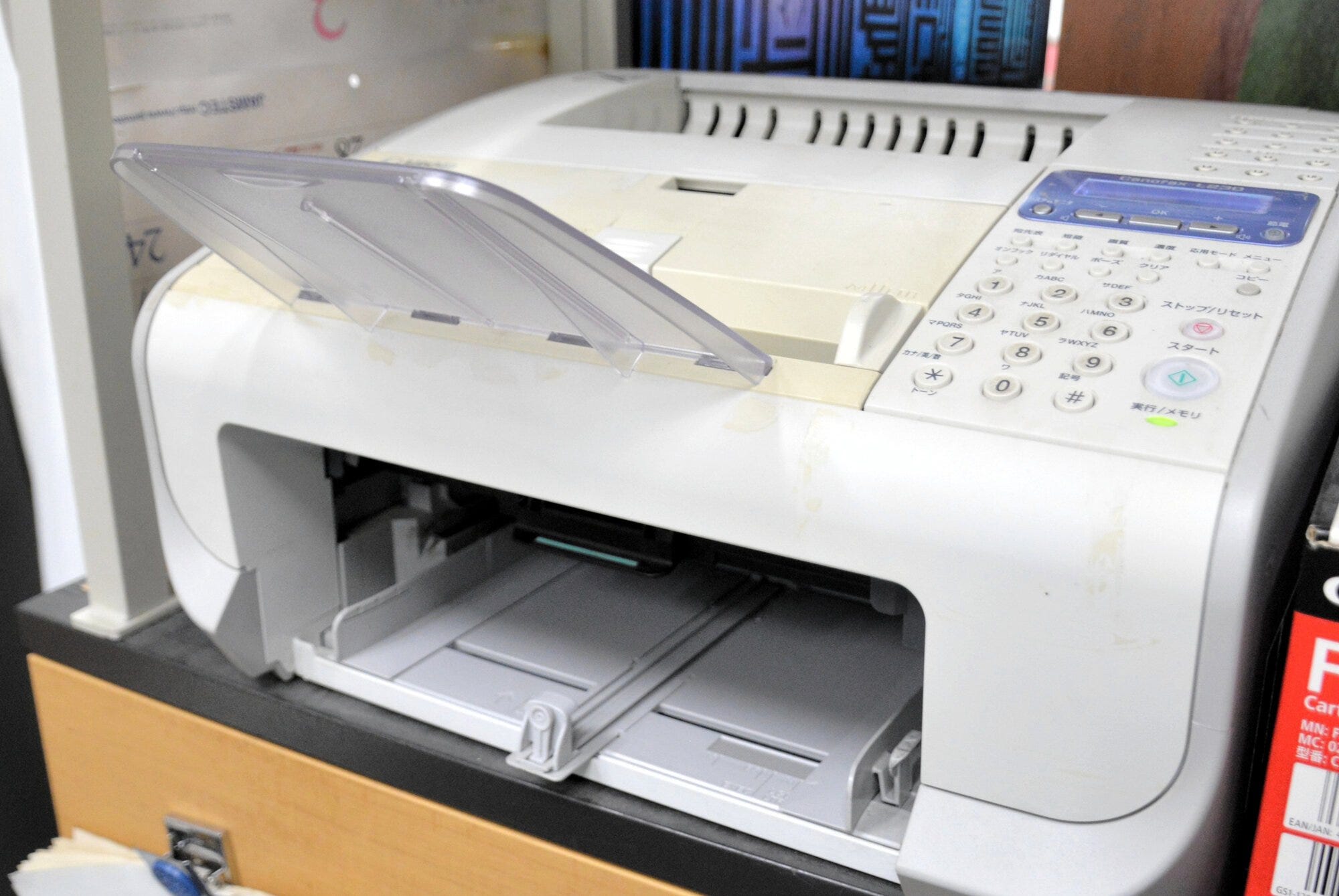
A new survey by Japan’s Ministry of Education, Culture, Sports, Science and Technology (MEXT) reveals that many schools continue to rely on older administrative tools even as the government promotes digital reform.
According to the study, 71.7% of public elementary and junior high schools reported using fax machines as part of their daily workflow. Meanwhile, 91.0% said certain documents must still be stamped with a hanko, the personal seal traditionally used in Japan in place of signatures.
The survey was conducted in November and December 2025 and gathered responses from 28,049 schools nationwide, representing a response rate of 98.6%. More than seven out of ten Japanese public schools still rely on fax machines for everyday operations.
Government Target Still Far Away
While the numbers have improved slightly compared to the previous year, progress remains gradual. Fax usage declined by 5.1 percentage points, and the share of schools requiring stamped documents fell 1.9 points.
In 2023, the government announced a policy calling for the principle abolition of fax communication and stamped paperwork in schools by fiscal 2025 as part of broader work-style reforms aimed at reducing administrative burdens on teachers.
Officials say implementation varies widely across regions, and many schools must coordinate with outside organizations that still rely on paper-based systems. Japan’s plan to eliminate fax and mandatory stamping in schools by 2025 remains far from reality.
Why Fax and Stamps Remain
The ministry explains that fax machines are frequently used when communicating with local vendors and contractors, where older systems remain common. Stamped paperwork also remains standard on materials sent to parents, including report cards and forms where families indicate students’ future educational preferences.
Because these procedures involve parents and local institutions, individual schools often cannot eliminate the practices on their own. Many school procedures still depend on parents and local institutions that expect traditional paper documents.
Digital Changes Are Slowly Appearing
Despite the persistence of analog tools, several digital initiatives are gradually spreading. More than 84.2% of schools now allow parents to report student absences through mobile devices or online systems, while 70.5% use cloud platforms to conduct parent surveys.
Some schools have also begun experimenting with generative AI for administrative work, though adoption remains relatively limited at 17.2%. Digital tools that simplify communication with parents are emerging as the most successful area of reform.
Taken together, the results suggest Japan’s school digitalization is progressing in incremental steps rather than sweeping transformation, with practical communication tools gaining traction first while longstanding administrative traditions fade more slowly.