


Generative AI has sparked repeated confusion and backlash in the anime industry over the past two years
The impact goes beyond artwork, raising concerns about voice acting, scripts, and official merchandise
Fans and creators are not rejecting AI outright, but are pushing back hard against misuse and unclear rights
Generative AI is no longer a distant concern for Japan’s anime industry. It is already here, and it has been causing friction for a while. While the uproar over so-called “Ghibli-style” images may be the most visible example, AI’s influence now extends well beyond drawings. Voices, scripts, and even anime goods have all become part of a growing debate over how creative rights should be protected in the age of AI.
As AI tools spread into more corners of anime production, confusion has followed. What should AI be used for, and where does it cross a line?
When Official Art Starts Getting Questioned
Anime is built from many parts, including drawings, writing, and sound. AI now touches all of them, sometimes in ways that leave fans uneasy.
Artwork has been the biggest flashpoint so far. In recent years, images that looked like they were AI-generated have shown up in official collaborations, sometimes with obvious mistakes in historical or visual details. Suspected AI entries have also appeared in illustration contests, gradually building distrust toward AI-made images among fans.
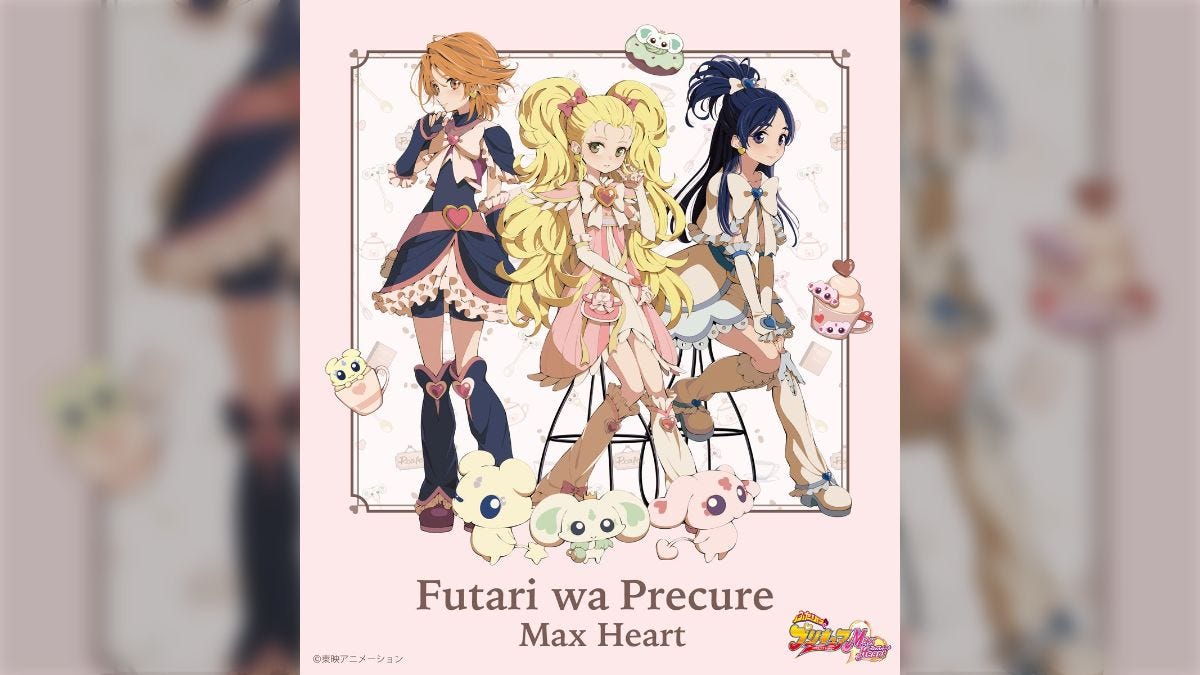
That suspicion peaked in 2024, when an official illustration from the Precure series was accused by fans of being AI-generated. The situation escalated to the point where the official side publicly clarified that the artwork was not made using generative AI.
Right now, there is no reliable way to prove whether an image was created by AI or not. That uncertainty has created a tense atmosphere. Fans who care deeply about anime react strongly when they feel creators are being replaced or shortcuts are being taken. Creators, meanwhile, are left trying to prove a negative, responding to doubts they cannot fully clear. The result has been repeated misunderstandings and flare-ups.
Voices and Scripts Add Fuel to the Fire
The issue does not stop at visuals. Voice acting, a core part of anime’s appeal, has also become a major concern. In Japan, AI-generated readings and songs using voice actors’ voices without permission have circulated online, sometimes even being sold by unrelated third parties. That has raised serious alarms about consent and ownership.
One planned voice actor reading performance was canceled after it was revealed that the script had been generated by AI. While reactions like this may seem extreme, they reflect real anxiety. Fans worry about technology trained on creative work without permission, especially when even those using the tools cannot clearly explain how the data was sourced.
Since AI began spreading seriously through the industry about two years ago, these kinds of conflicts have popped up again and again. While people recognize AI’s potential benefits, concern over misuse currently outweighs optimism.
Pushing Back Against Abuse, Not AI Itself
Despite the backlash, most fans and creators in Japan are not calling for AI to be banned entirely. What they oppose is misuse, not the technology itself.
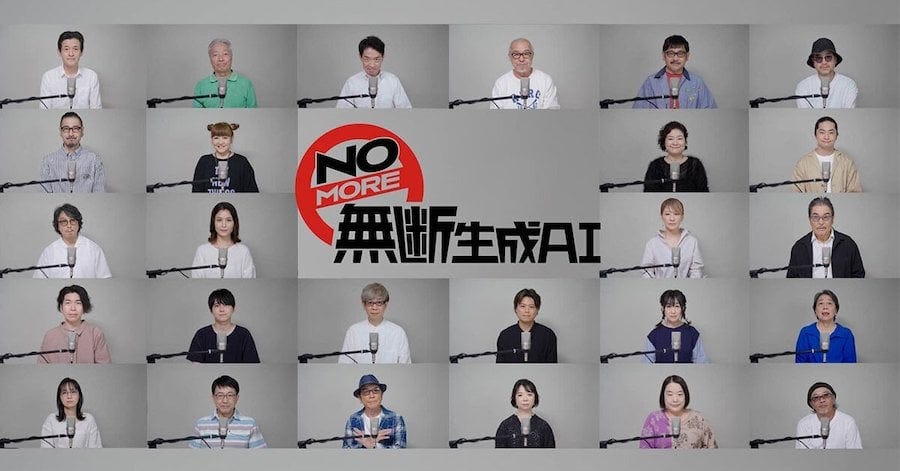
In fact, the industry has started having more constructive discussions about how AI could be used responsibly. This is especially true in the voice acting world. Efforts like the “NO MORE Unauthorized Generative AI” campaign aim to raise awareness about unlicensed use, while major voice acting agencies have begun forming official partnerships with AI companies to explore safer ways forward.
One notable example is a voice AI project led by voice actor Yuki Kaji. Rather than allowing voices to be copied without consent, the project aims to offer high-quality AI voices that are officially approved and protected by clear guidelines. The approach echoes an earlier era, when anime piracy was widespread on early video platforms.
Back then, unauthorized uploads were everywhere. Over time, rules, licensing, and official distribution gradually took over, and legal streaming became the norm.
A Familiar Growing-Pains Moment
The anime industry now finds itself in a similar position. AI technology has advanced faster than regulations and industry standards can keep up. Clear rules that protect rights while allowing useful applications of AI are still being worked out.
Problems remain. AI-generated character images have been sold as posters, leading to arrests and criminal referrals. At the same time, there are positive uses, such as AI-assisted remastering of older anime footage, where the technology helps improve efficiency and image quality.
Like the rise of streaming, the spread of AI is unstoppable at this point. The real challenge is figuring out how to prevent abuse and protect creative work while still taking advantage of what the technology can offer.
For the anime industry, AI is no longer a future issue. It is a present-day reality, and the industry is clearly in the middle of a difficult but unavoidable transition.