


Japan’s box office hit a record 274.4 billion yen (about $1.8–$1.9 billion USD) in 2025, driven largely by domestic anime mega-hits.
Hollywood blockbusters that once dominated Japanese screens are now being pushed into single early morning showings at multiplexes.
Revival screenings, Asian imports, indie films, and event cinema are flooding theaters, turning Japan’s multiplexes into crowded, multi-genre entertainment hubs.
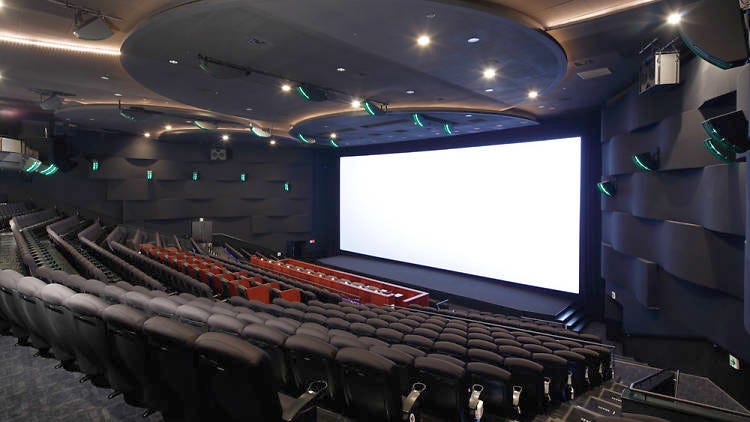
Japan’s film industry just posted its highest box office total in history. In 2025, total revenue reached 274.4 billion yen (about $1.8–$1.9 billion USD). The primary driver was anime. Yet inside multiplex theaters, the atmosphere is increasingly unusual.
Hollywood blockbusters that once dominated Japanese screens are now being squeezed into early morning slots. Meanwhile, anime hits, revival screenings, Asian imports, and independent films are crowding schedules. This is not simply a shift in market share. It represents a structural transformation of the theater business itself.
Why Avatar Is Playing at 8:30 a.m. in Japan
At one major Japanese multiplex, as many as 38 titles are screening simultaneously, including dubbed and premium format versions. Nearly half of those films play only once per day.
Among them is Avatar: Fire and Ash, a global blockbuster that earned more than $1 billion worldwide. In Japan, it has been relegated to an 8:30 a.m. slot. Another recent Hollywood release, MERCY, opened only weeks earlier but is also confined to a single early morning screening.

Japanese live action adaptations such as Last Man: First Love and The Final Interrogation Room: The Final are likewise limited to one show per day despite being based on popular television franchises.
At the same time, older domestic hits continue to occupy prime afternoon slots. The Bomb, released last October, remains in theaters. Anime blockbusters such as Chainsaw Man: The Movie – Reze Arc and Demon Slayer: Kimetsu no Yaiba – Infinity Castle Part 1 are still screening once daily long after their debuts.
One prestige drama, Kokuhō, opened more than eight months ago and recently received a special IMAX run. It reportedly surpassed 20 billion yen (about $130–$140 million USD).
The message is clear. Long-running domestic hits are holding screens, forcing new releases, including major Hollywood films, into limited time slots.
A Surge in Releases Is Flooding Theaters

Data from Japanese film site Eiga.com shows a sharp spike in monthly releases between 2024 and 2025. In 2025, nearly every month saw at least 10 more theatrical releases than the same month a year earlier. January alone recorded 150 new titles.
The composition of those releases has shifted as well. Compared to January two years earlier, non-U.S. films rose from 30 to 41 titles. Revival screenings doubled from 13 to 26.
This explosion of content has forced multiplexes to rethink scheduling. Rather than granting a handful of films multiple daily screenings, theaters now rotate dozens of titles through single-show time slots.
The Revival Boom and the Filmarks Effect

A major force behind the revival surge is Filmarks, Japan’s largest movie review platform. By analyzing user “want to watch” data, the company began organizing revival screenings around 2021.
Seasonal programming has proven especially effective. Romantic favorite Notting Hill and cult classic Trainspotting have returned as event screenings. The Coen Brothers’ Fargo recently appeared in 4K restoration at mainstream multiplexes. Even films widely available on streaming services can draw theatrical audiences when positioned as limited screening events.
Other distributors have followed suit. Revival screenings in Japan are no longer niche programming. They are becoming a regular component of multiplex schedules.
Asian and Independent Films Fill the Gaps

The diversification extends beyond revivals. Korean cinema has long maintained a steady presence in Japan, but recent years have brought increased releases from Hong Kong, Taiwan, India, Indonesia, and across Europe.
Hong Kong action film Twilight of the Warriors: Walled In earned approximately 570 million yen (about $3.7–$3.9 million USD) in Japan. Its performance suggests audiences are open to Asian genre films outside traditional Hollywood channels.
American imports are shifting as well. Independent studios such as A24 now represent a more visible presence than some legacy Hollywood majors. While big studio tentpoles struggle, prestige independent films often secure stable, if modest, theatrical audiences.
Japan’s Multiplexes Become Multi-Genre Entertainment Hubs
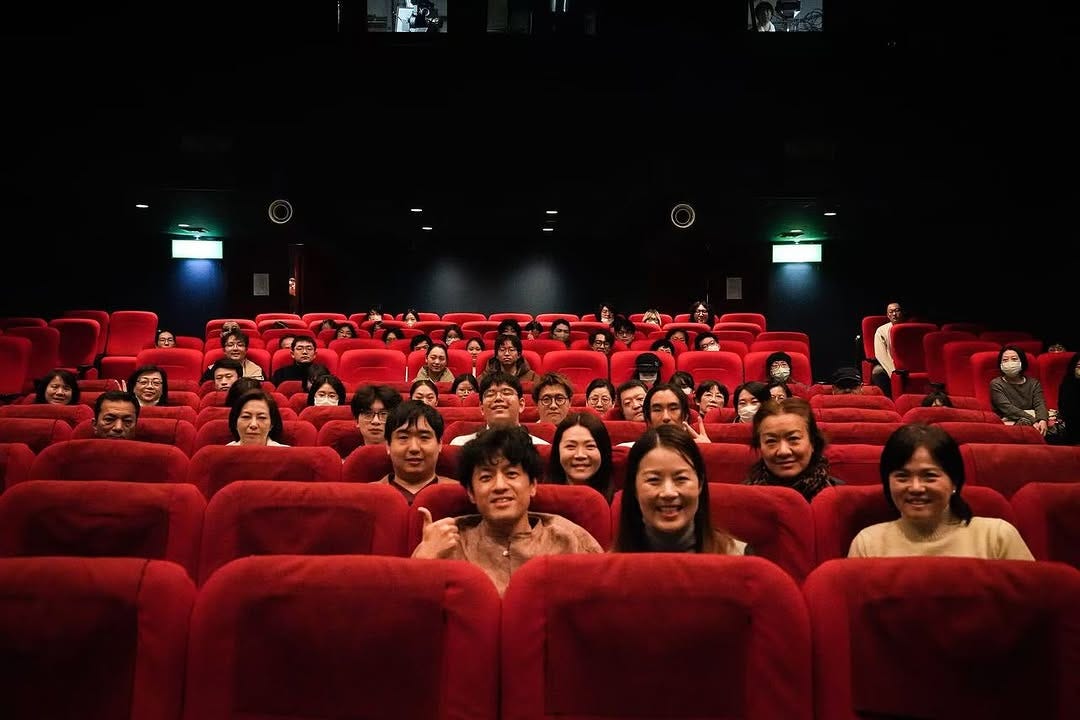
For decades, Japan’s film market was framed as a simple contrast between domestic films and Hollywood imports. That binary no longer holds.
Anime dominates the box office. Revival screenings create event-style programming. Asian films expand their footprint. European titles reach niche audiences. American independent cinema fills cultural gaps. Concert films, stage recordings, and other digital event screenings further broaden the mix. If it can be projected onto a screen, Japanese multiplexes are willing to try it.
What appears chaotic may in fact represent transition. As Hollywood’s dominance fades in Japan, theaters are experimenting with new models to keep screens filled and audiences engaged.
The question is whether Japan is an exception or an early indicator. In an era shaped by streaming disruption, Japan’s multiplexes are evolving into multi-layered entertainment spaces. The apparent disorder may ultimately prove to be a preview of cinema’s next phase.
great recap, thanks !!
Fascinating analysis, Patrick. I wonder what this means for film makers. Can a movie still earn enough in such a crowded market?