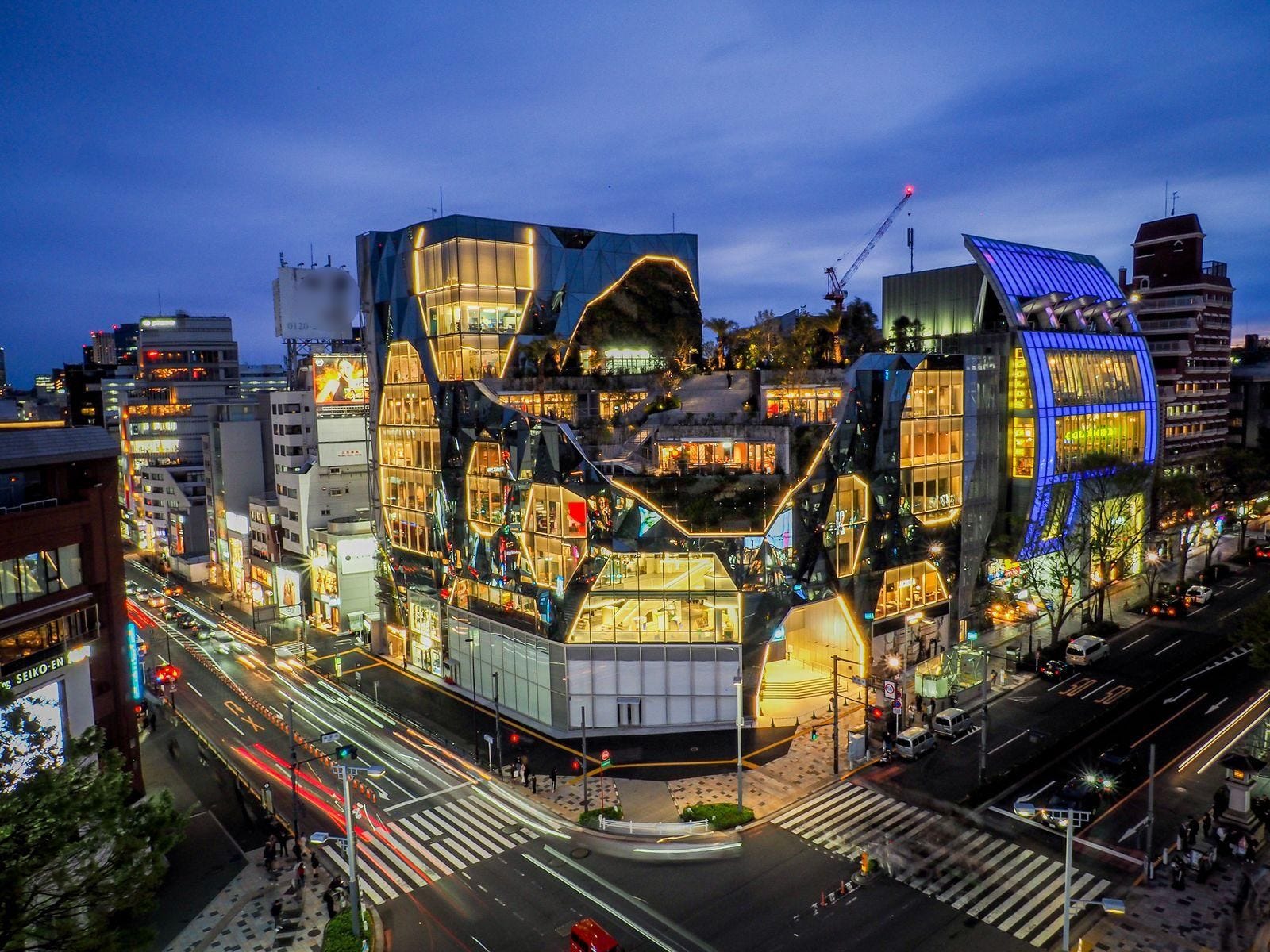

Harajuku’s most visible retail spaces are nearly full, creating a fierce fight among brands that want a presence there.
Rents have hit record highs, putting pressure on domestic apparel companies.
The shift is spreading beyond the main streets into Ura-Harajuku and Cat Street, areas tied to Japanese street fashion history.
Harajuku’s Storefront Crunch
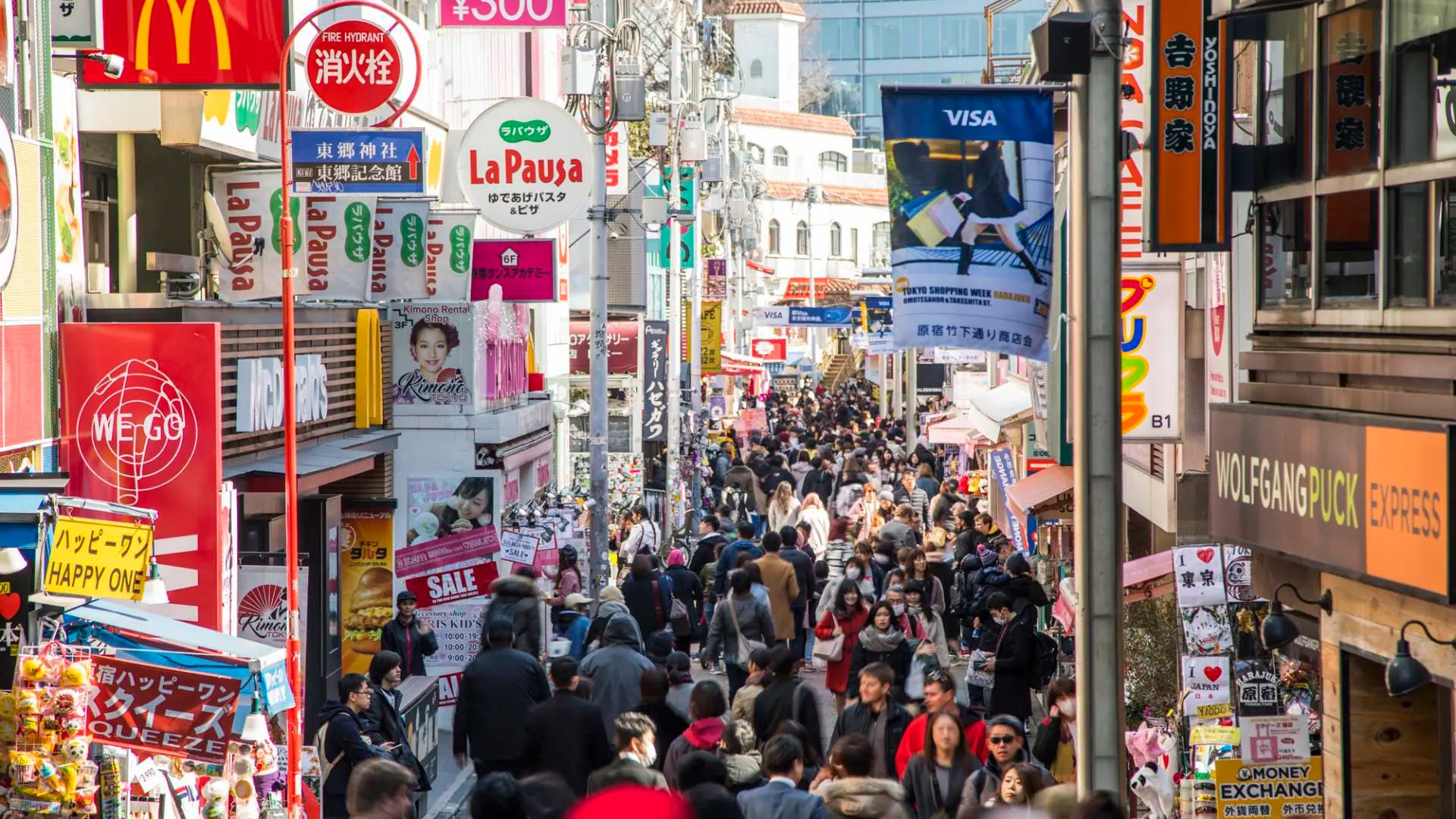
Harajuku has long drawn young shoppers, trend hunters, and overseas visitors looking for new brands and popular fashion items. It is also one of Tokyo’s most symbolic fashion districts, where a physical storefront can act as both a shop and a public statement of brand identity.
Now, the area is seeing heated competition among tenants trying to secure storefronts. Commercial space is extremely tight. According to CBRE, the vacancy rate for commercial real estate in the Omotesando-Harajuku area stayed at just 0.1% in April–June 2026. In the prime area centered around Meiji-dori, only about one available space remained.
Even this year, domestic and overseas brands have continued opening new stores, keeping the competition intense.
Harajuku’s Price Point
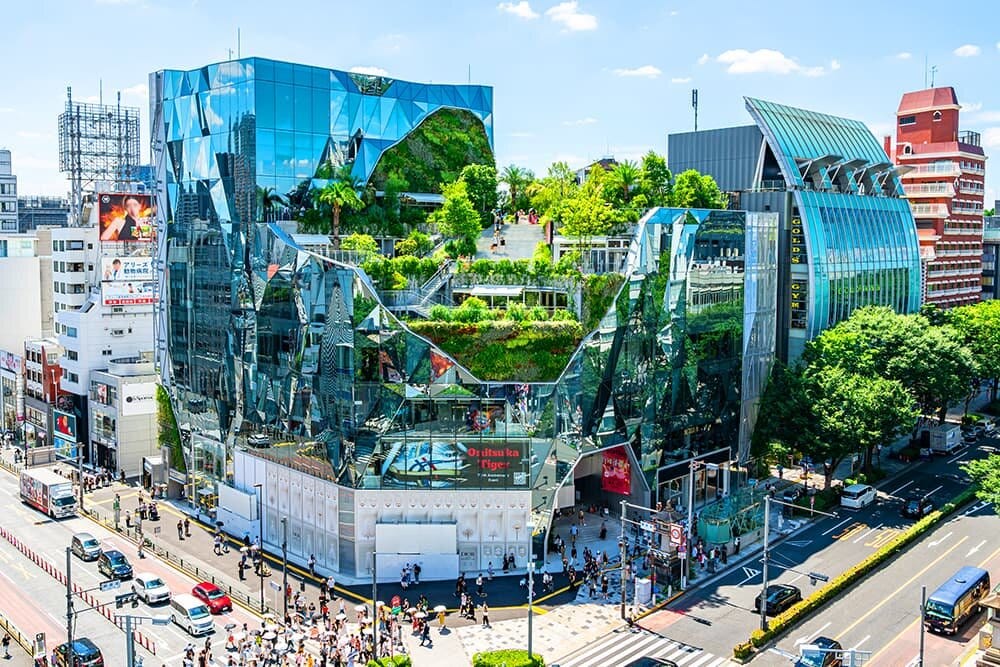
Harajuku was already an expensive area because so many fashion brands are concentrated there. Along the main streets, large commercial facilities such as Tokyu Plaza Harakado, which opened in 2024, stand alongside street-level flagship stores from many famous brands.
Average rents in the Omotesando-Harajuku area reached ¥256,000 (about $1,607) per tsubo as of the end of June 2026, based on expected contract rents. A tsubo is a Japanese real estate unit equal to about 3.3 square meters, or 35.6 square feet. That puts Omotesando-Harajuku behind only Ginza, where average rents were ¥298,000 (about $1,871) per tsubo, among Japan’s major commercial districts.
The Rent Spiral
With so few spaces available, multiple brands may compete for the same property. For owners, the situation is close to having their pick of tenants. When a storefront becomes contested, the brand offering the higher rent generally wins. That means the final contract rent can rise above the initial asking price, pushing the area’s average higher.
Real estate industry sources say Harajuku rents have risen about 20% from contracts made around the pandemic period after tenant turnover. In some cases, rents have doubled.
Ura-Harajuku and Cat Street in the Crosshairs
The changes are not limited to Harajuku’s main streets. Signs of change are also appearing in Ura-Harajuku and Cat Street, areas just a step away from the busiest shopping zones.
Ura-Harajuku, literally “back Harajuku,” refers to the quieter backstreet side of the district, long associated with independent labels, Japanese streetwear, and smaller fashion brands. Cat Street, running between Harajuku and Shibuya, is another key fashion corridor tied to youth culture and select shops.
Part of what made these areas different was their urban structure. Harajuku’s surrounding area is designated as an educational district, restricting the construction of hotels and movie theaters. Quiet residential streets spread through the back roads, where many buildings rent out their first and second floors to tenants.
This was the environment that helped produce Ura-Harajuku-style brands and street brands. Many properties were owned by individual landlords, and rent levels were relatively stable.
A Changing Backstreet Market
That stability may now be weakening. In recent years, more brands have tried to enter the broader Harajuku area. At the same time, rising land prices have led some companies to acquire real estate for investment purposes.
If those higher purchase prices are reflected in future leasing, average rents in Ura-Harajuku may also rise. That would mark a deeper shift for Harajuku, because the rent surge would no longer be only a main-street issue. It could also reach the backstreet ecosystem that helped build the district’s reputation in the first place.
The New Harajuku Equation
For domestic apparel brands, Harajuku is becoming harder to access at a time when competition for prime retail space is intensifying. Chinese and Korean brands have also been increasing their presence, adding another layer to the storefront battle.
Harajuku remains one of Tokyo’s most important fashion districts. But with vacancy nearly gone, rents at record highs, and investment money reaching deeper into the backstreets, the brands able to occupy that stage may be changing.