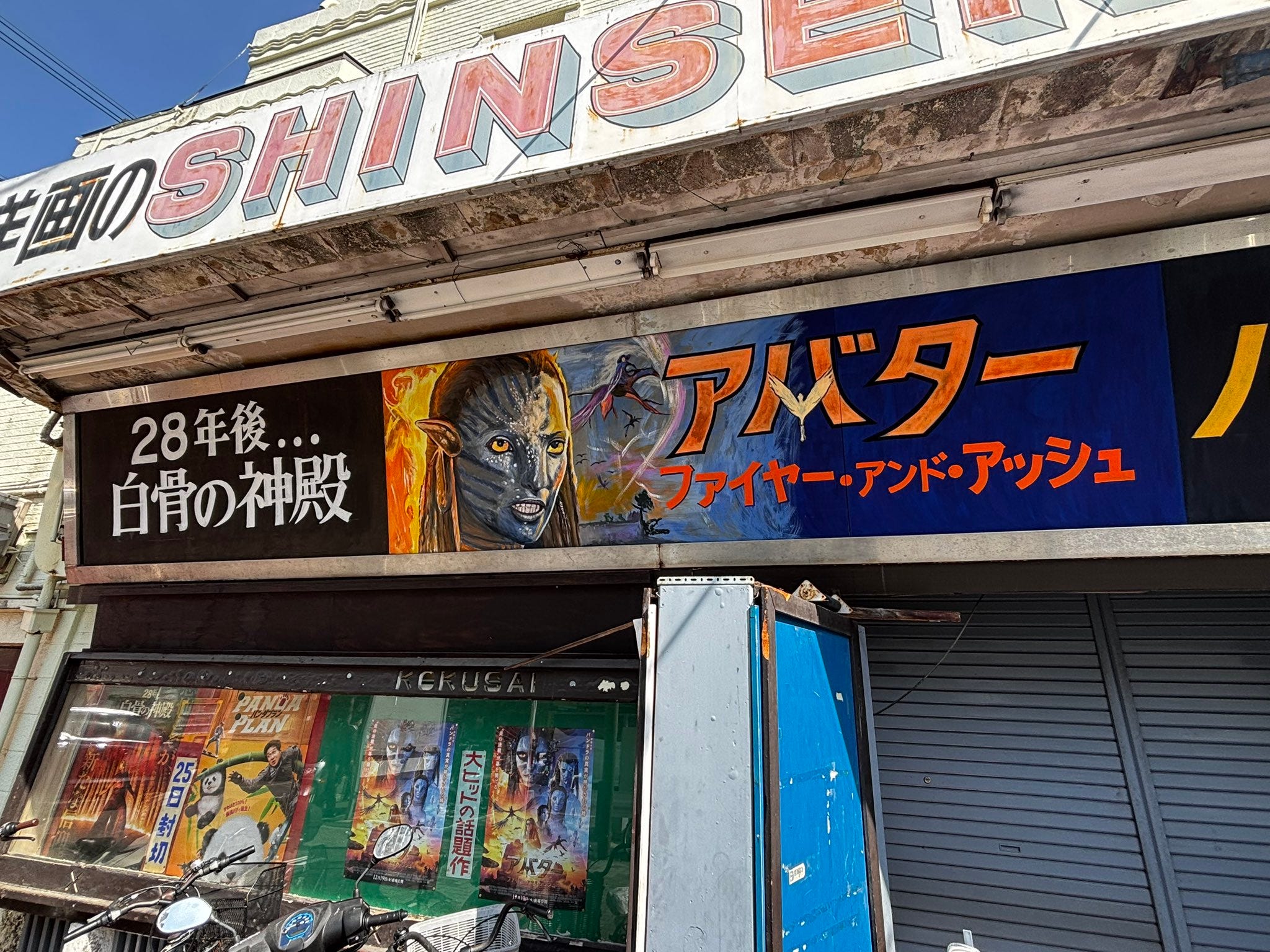

Osaka’s “New World International Theater” will close on March 31 after 76 years in business.
The retro cinema became known for its hand-painted signs, all-night triple features, and 1,000 yen ($6.26) admission.
Rising repair costs, aging equipment, and a changing Shinsekai neighborhood helped bring the curtain down.
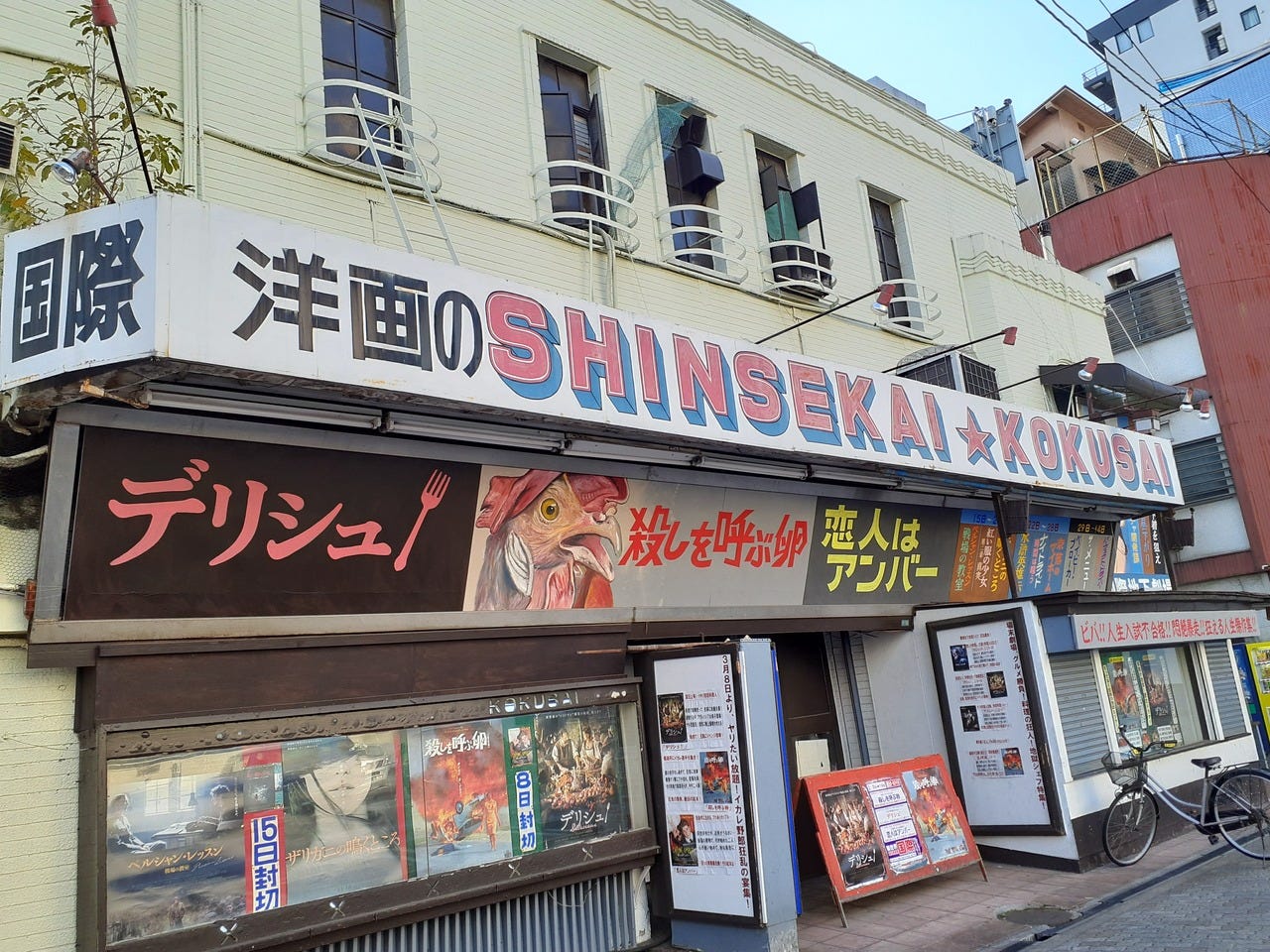
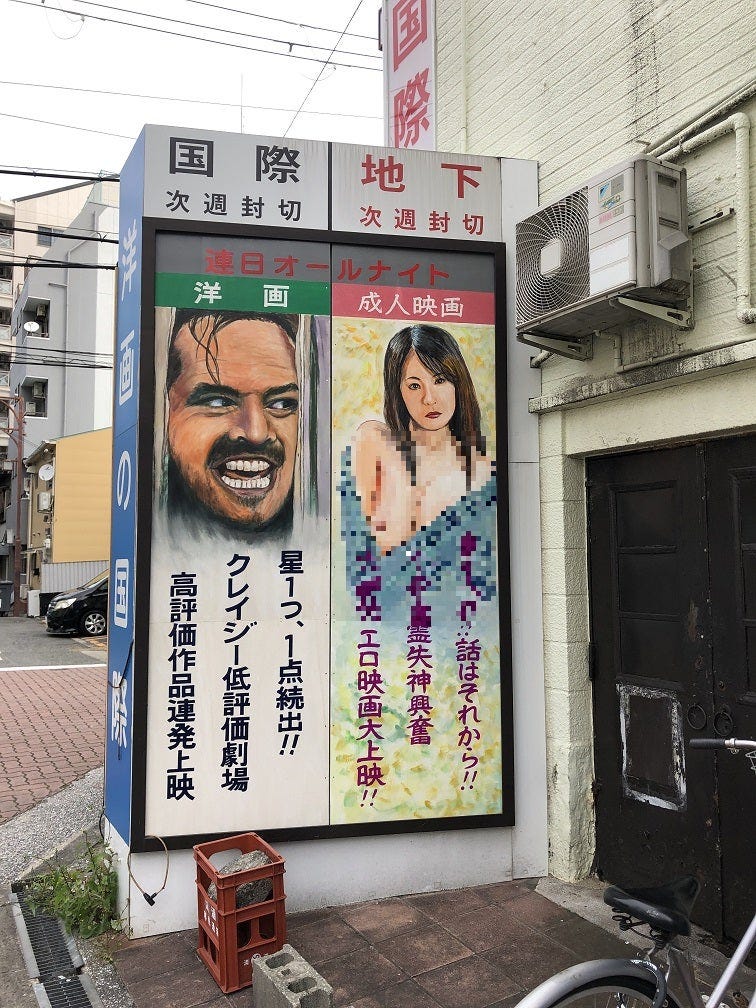
A long-running piece of Osaka movie culture is about to disappear. The Shinsekai Kokusai Gekijo, aka “New World International Theater” in Naniwa Ward will close on March 31, ending a 76-year run at a cinema that stood out for its retro exterior, hand-painted marquee signs, and old-school all-night programming. For years, the theater offered triple features for just 1,000 yen ($6.26), with a mix of second-run foreign films on the first floor and adult films in the basement level.
A Theater That Was Part of the Neighborhood’s Daily Life
The building began life in 1930 as the Osaka Nanyo Enbujo theater. Its Art Deco design, marked by round windows and wave-like detailing, survived the war and the building was reopened as a movie theater in 1950. Located near Kamagasaki, the area once drew large numbers of day laborers, and Kokusai Theater became more than just a place to watch movies. It was somewhere people could spend the night, meet others, and pass the time.
Manager Kazuhiko Tomioka, 58, who has been connected to the theater since his 30s, looked back on its final days with obvious emotion. “The Kokusai Theater was part of my life. I can’t just neatly come to terms with it,” he said.
He also reflected on how much the area around it has changed. “The scenery of the town changed, and it fulfilled its role,” Tomioka said.
The Kind of Place Where Its Regulars Became Part of the Story
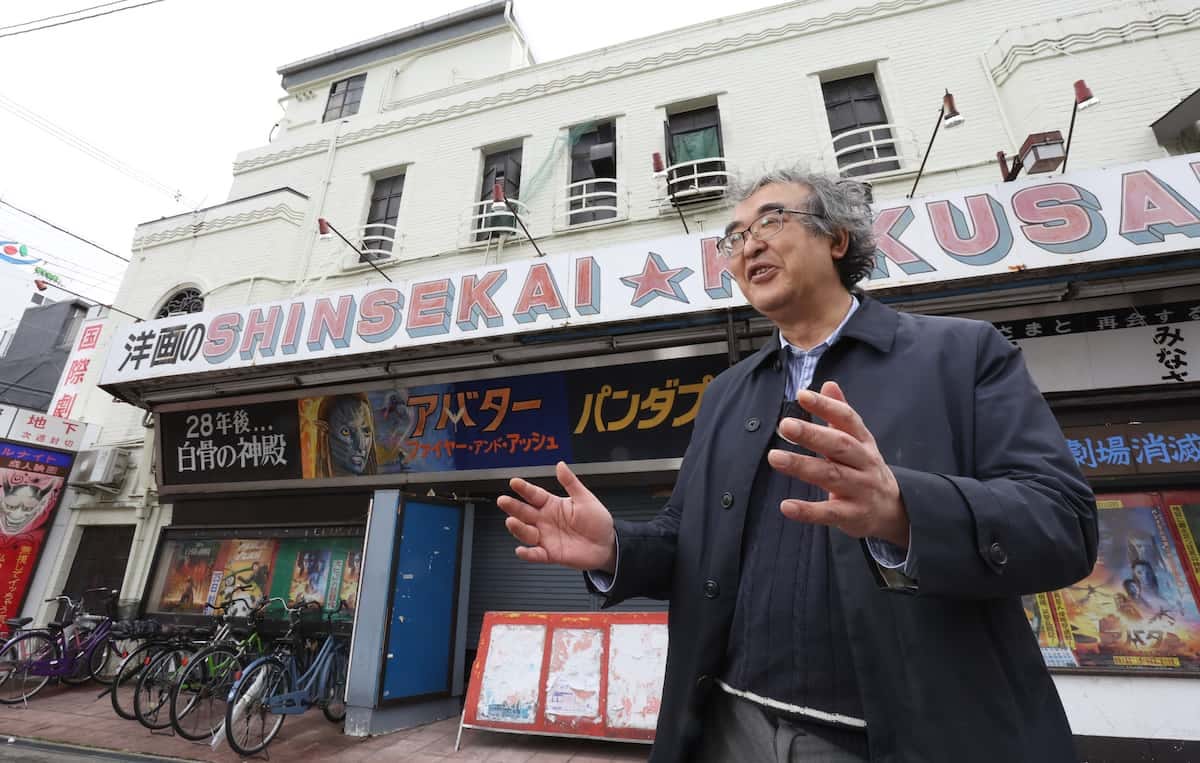
Tomioka recalled that in earlier years, some customers would get drunk and start fights, and he sometimes had to intervene himself. Even so, the theater had its own rough warmth. He remembered times when “two customers who grabbed each other by the collar and went outside came back in as friends,” a story that says a lot about the kind of place it was.
Regular customer Kosei Miyake said the theater offered something that went beyond the screen. “It wasn’t just about movies. There were human encounters here too. The people who came here, even without a script, became like a movie themselves. It was a place where stories were made,” Miyake said.
The Last Picture Show
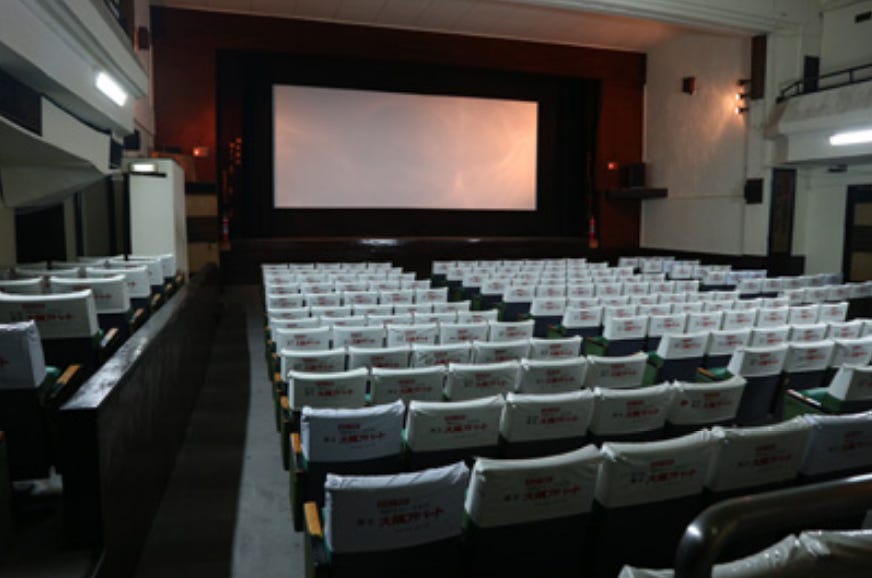
The theater reopened after a temporary shutdown during the pandemic, but the surrounding neighborhood kept changing. As more businesses aimed at foreign tourists moved in, longtime regulars grew older and fewer in number. The building itself also continued to age, and the costs of repairs, along with the need to replace projection equipment, became too much to ignore.
Tomioka noted the mixed result of those local changes. “It became safer, but… it’s been bleached out and turned into a clean town,” he said.
The final screening will be Avatar: Fire and Ash on March 31 at 6:50 p.m. The land and building have already been sold and are scheduled to be handed over in May. As for what should happen next, Tomioka was blunt: “Of course I’d rather they kept it, but this building was made to be a theater. Rather than leaving only the shape behind and turning it into a dead building, I want them to tear it down completely.”